Discover the fiery flavors of Tom Yum across Vietnam, Cambodia, Laos, and Thailand! Learn recipes, cultural stories, eco-friendly Vietnam Tours, and top providers for a seamless experience with Vietnam Travel. Start your spicy journey today!
 Capture the spicy essence of Thailand’s culinary landmarks (Source: Internet)
Written by Tony Bùi, with over 20 years of experience in the travel industry, personally guiding and organizing tours for over 100,000 travellers across Southeast Asia. This guide draws from firsthand insights, guest feedback from Legend Travel Group surveys, and official sources like legendtravelgroup.com. Information based on the latest data; verify before travel. Reflects Southeast Asia’s updated travel regulations.
Travelers, please note: Legend Travel Group offers customized culinary tours featuring Tom Yum variations across Vietnam, Cambodia, Laos, and Thailand. Deposit just 10% to secure your spot, with flexible payments up to 30 days before departure—keep peace of mind while savoring the region’s boldest flavors. Book at legendtravelgroup.com for an unforgettable gastronomic adventure.
Tom Yum, the iconic spicy-sour soup, is a cornerstone of Southeast Asian cuisine, symbolizing the region’s bold, harmonious flavors derived from lemongrass, galangal, kaffir lime, and chili. Originating from Thailand, it has evolved uniquely in Vietnam (as Canh Chua), Cambodia (as Samlor Machu), and Laos (as Tom Yum Lao), reflecting local ingredients and traditions legendtravelgroup.com. Whether joining guided Vietnam Tours or exploring independently, savoring Tom Yum immerses you in cultural stories, from Thai street food stalls to Cambodian riverside eateries. A blend of spice, sourness, and sustainability, this culinary journey, facilitated by trusted Vietnam Travel providers, is ideal for foodies, culture lovers, and eco-conscious travelers. Mastering Tom Yum’s etiquette ensures a respectful, flavorful experience.
Following Southeast Asia’s updated travel regulations, destinations like Hanoi, Siem Reap, Vientiane, and Bangkok are accessible via regional airports and borders. This guide blends Tom Yum insights, practical tips, and sustainable Cambodia Travel ideas for a mouthwatering adventure.
Travel to Vietnam, Cambodia, Laos, and Thailand requires preparation for visas (e.g., Vietnam’s e-visa $25–$50, Thailand’s 60-day exemption for Swiss, Cambodia’s $30 visa on arrival). Modest attire is needed for cultural sites, and awareness of petty crime in busy markets is advised. Tours cost $15–$80 (375,000–2,000,000 VND equivalent), and local meals range from $0.50–$20 (12,500–500,000 VND). Key destinations are accessible by tuk-tuk, bicycle, or tour transport. Verify visa requirements and entry procedures via legendtravelgroup.com.
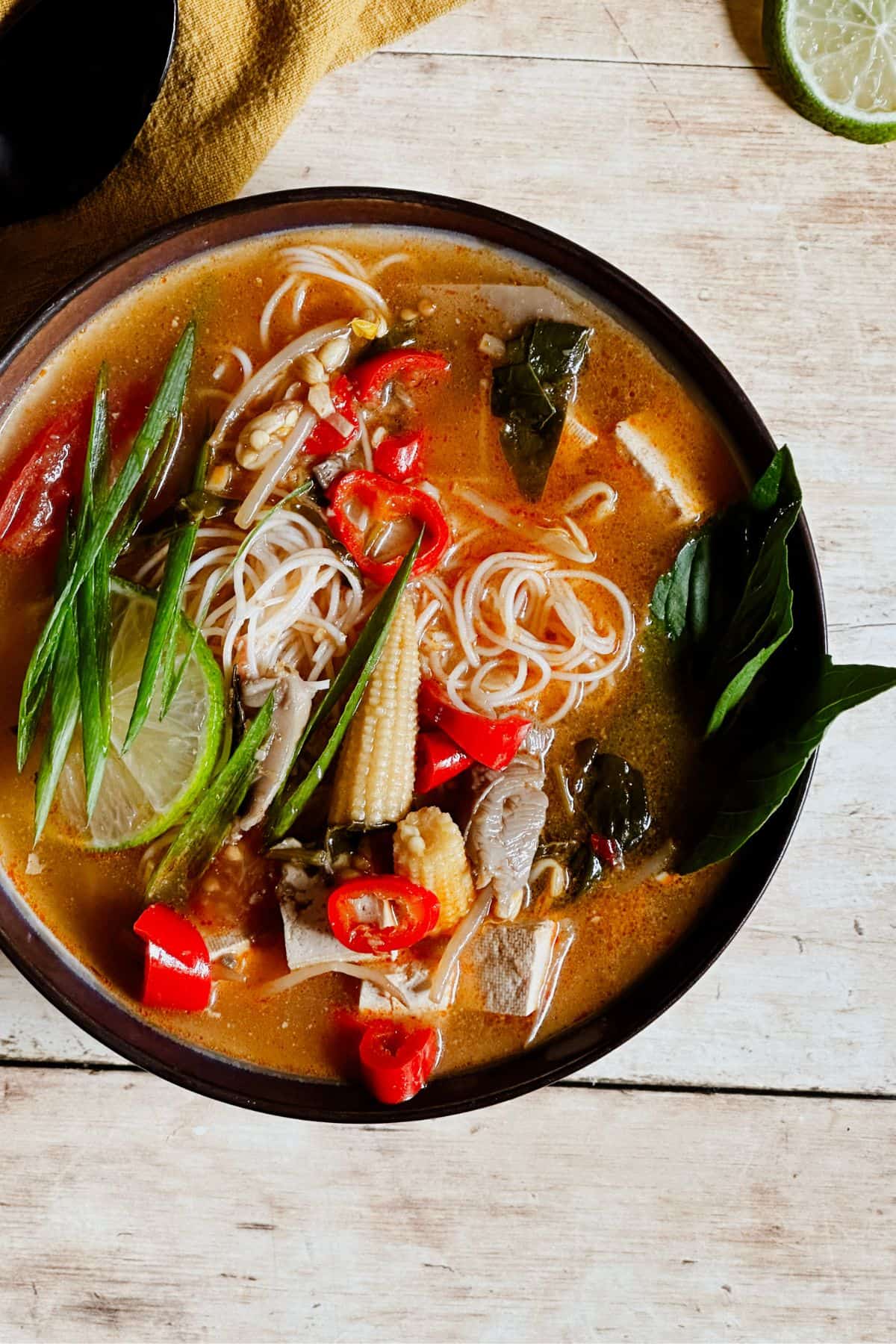 Experience Laos’ herbal culture with guided tours (Source: Internet)
Thailand (Tom Yum Goong):
Key Ingredients: Shrimp (goong), lemongrass, galangal, kaffir lime leaves, chili, fish sauce, lime juice legendtravelgroup.com.
Cultural Context: A staple in Bangkok street food and Chiang Mai markets, symbolizing Thai balance of flavors; often served with sticky rice legendtravelgroup.com.
Best Spot: Bangkok’s Chinatown or Chiang Mai’s Sunday Walking Street; try during Thailand Tours.
Vietnam (Canh Chua):
Key Ingredients: Fish or shrimp, tamarind, pineapple, elephant ear, rice paddy herb, bean sprouts legendtravelgroup.com.
Cultural Context: A Mekong Delta favorite, reflecting Vietnamese sour-sweet harmony; paired with rice vermicelli legendtravelgroup.com.
Best Spot: Hoi An or Can Tho; incorporate into Vietnam Travel itineraries.
Cambodia (Samlor Machu):
Key Ingredients: Fish or prawns, tamarind, lemongrass, eggplant, holy basil legendtravelgroup.com.
Cultural Context: A Khmer staple in Siem Reap and Phnom Penh, tied to rural fishing traditions legendtravelgroup.com.
Best Spot: Phnom Penh’s riverside or Siem Reap’s markets; explore via Cambodia Tours.
Laos (Tom Yum Lao):
Key Ingredients: Prawns or mushrooms, lemongrass, galangal, makrut lime, fermented fish sauce legendtravelgroup.com.
Cultural Context: A Luang Prabang delicacy, emphasizing Laotian simplicity and herbal notes legendtravelgroup.com.
Best Spot: Luang Prabang’s night market; pair with Laos Travel experiences.
Health Benefits: Rich in lemongrass and lime, Tom Yum aids digestion and boosts immunity; variations use local herbs for regional wellness legendtravelgroup.com.
Sustainability: Source fresh, local ingredients to support small farms; opt for eco-friendly Laos Tours to learn sustainable cooking.
Tip: Customize Tom Yum during cooking classes on Thailand Travel—deposit 10% to keep peace of mind.
Cultural etiquette ensures a flavorful, respectful experience during Cambodia Tours. Here’s your guide, based on current norms:
Greetings: Offer “sawasdee” (Thailand), “sua sdei” (Cambodia), “sabaidee” (Laos), or “xin chào” (Vietnam) with a wai or sampeah; use both hands for sharing Tom Yum culturetrip.com.
Dress: Wear modest clothing for temple-adjacent markets; a scarf ($3 or 100 THB equivalent) is useful legendtravelgroup.com.
Behaviour: Maintain a calm demeanor at street stalls; slurp noodles audibly in Thailand and Vietnam as a compliment; avoid wasting food; ask permission before photographing cooks. A guest shared: “Respecting customs made our Tom Yum tasting profound.” legendtravelgroup.com
Customs: Tipping is appreciated ($0.30–$1 or 10–30 THB); share dishes communally; avoid bargaining aggressively at markets. Avoid public criticism of local politics culturetrip.com.
Tip: Say “khob khun” (Thailand), “arkun” (Cambodia/Laos), or “cảm ơn” (Vietnam) after meals; use eco-friendly practices like reusable bowls to support sustainable Thailand Travel. Tony Bùi notes: “In 20 years guiding, I’ve seen respectful travelers thrive in Southeast Asia’s culinary culture.”
General Tips:
Language: Carry a phrase card ($2 or 50,000 VND equivalent) for regional basics; English is common in tourist areas culturetrip.com.
Respect: Follow stall rules (no shoes in some kitchens); support local vendors with fair purchases.
Navigation: Use offline maps (Maps.me) for markets like Bangkok’s Chatuchak or Phnom Penh’s Central Market.
Eco-Tip: Choose street food from sustainable vendors; opt for Cambodia Travel to learn eco-cooking.
Below is a curated list of tour options for savoring Tom Yum, based on the latest data from legendtravelgroup.com. Confirm schedules and prices before booking.
Details: Savor Tom Yum at street stalls in Bangkok, Hoi An, Siem Reap, and Luang Prabang; suitable for foodies; low difficulty.
Schedule: Daily; markets open 7:00 AM–10:00 PM; vibrant during festivals like Songkran (April).
Cost: Meals: $0.50–$2 (20–80 THB equivalent); transport (bicycle: $2–$5/day or 50,000–125,000 VND equivalent); market purchases: $0.50–$20 (20,000–500,000 VND equivalent).
Location: Bangkok (Thailand), Hoi An (Vietnam), Siem Reap (Cambodia), Luang Prabang (Laos).
Eco-Friendly Note: Use bicycles or walk to reduce emissions; avoid littering.
Tip: Check festival dates at legendtravelgroup.com; a guest noted: “Self-guided Tom Yum hunting was flavorful with these tips.”
Details: 1-day group tour sampling Tom Yum variations in Bangkok and Chiang Mai; includes English-speaking guide, transport, lunch, and cooking demo; low difficulty.
Schedule: Daily; departs 8:00 AM from Bangkok hotels; returns by 5:00 PM.
Cost: $40–$60/person (1,400–2,100 THB, includes meals).
Pick-up/Drop-off: Hotels in Bangkok.
Eco-Friendly Note: Group transport with fuel-efficient vans minimizes impact; supports local cooks.
Tip: Book via legendtravelgroup.com; a guest noted: “Legend’s tour was a spicy cultural delight.”
Details: 1-day guided tour tasting Tom Yum in Hoi An and Mekong Delta; includes English-speaking guide, transport, lunch, and boat ride; low to moderate difficulty.
Schedule: Daily; departs 7:30 AM from Hoi An hotels; returns by 6:00 PM.
Cost: $35–$55/person (875,000–1,375,000 VND, includes meals).
Pick-up/Drop-off: Hotels in Hoi An.
Eco-Friendly Note: Small groups and boat rides reduce environmental impact; supports local communities.
Tip: Book via localvietnam.com (regional partner sites); a guest noted: “The combo tour blended flavors and adventure perfectly.”
Details: 2–3 day tour sampling Tom Yum across Bangkok, Siem Reap, and Luang Prabang; includes English-speaking guide, transport, accommodation, meals, and cooking classes; low to moderate difficulty.
Schedule: Daily; departs from Bangkok hotels; returns after 2–3 days.
Cost: $150–$300/person (5,250,000–10,500,000 VND equivalent, includes meals).
Pick-up/Drop-off: Hotels or custom locations in Bangkok.
Eco-Friendly Note: Uses eco-lodges and fuel-efficient transport; supports local communities.
Tip: Book Thailand Tours via legendtravelgroup.com or WhatsApp (+84 825862222); a guest noted: “The multi-day tour was a flavorful heritage journey.”
Self-Guided Exploration: Flexible and authentic, ideal for independent foodies with visa exemptions.
Group Cultural Tours: Affordable and guided, perfect for immersive flavor insights.
Combo Culinary and Adventure Tours: Blend tasting with eco-friendly activities for a comprehensive experience.
Multi-Day Culinary Tours: Offer in-depth exploration of regional variations, perfect for spice lovers.
Eco-Friendly Note: Group and multi-day tours use fuel-efficient transport or bicycles, supporting Southeast Asia’s green tourism goals.
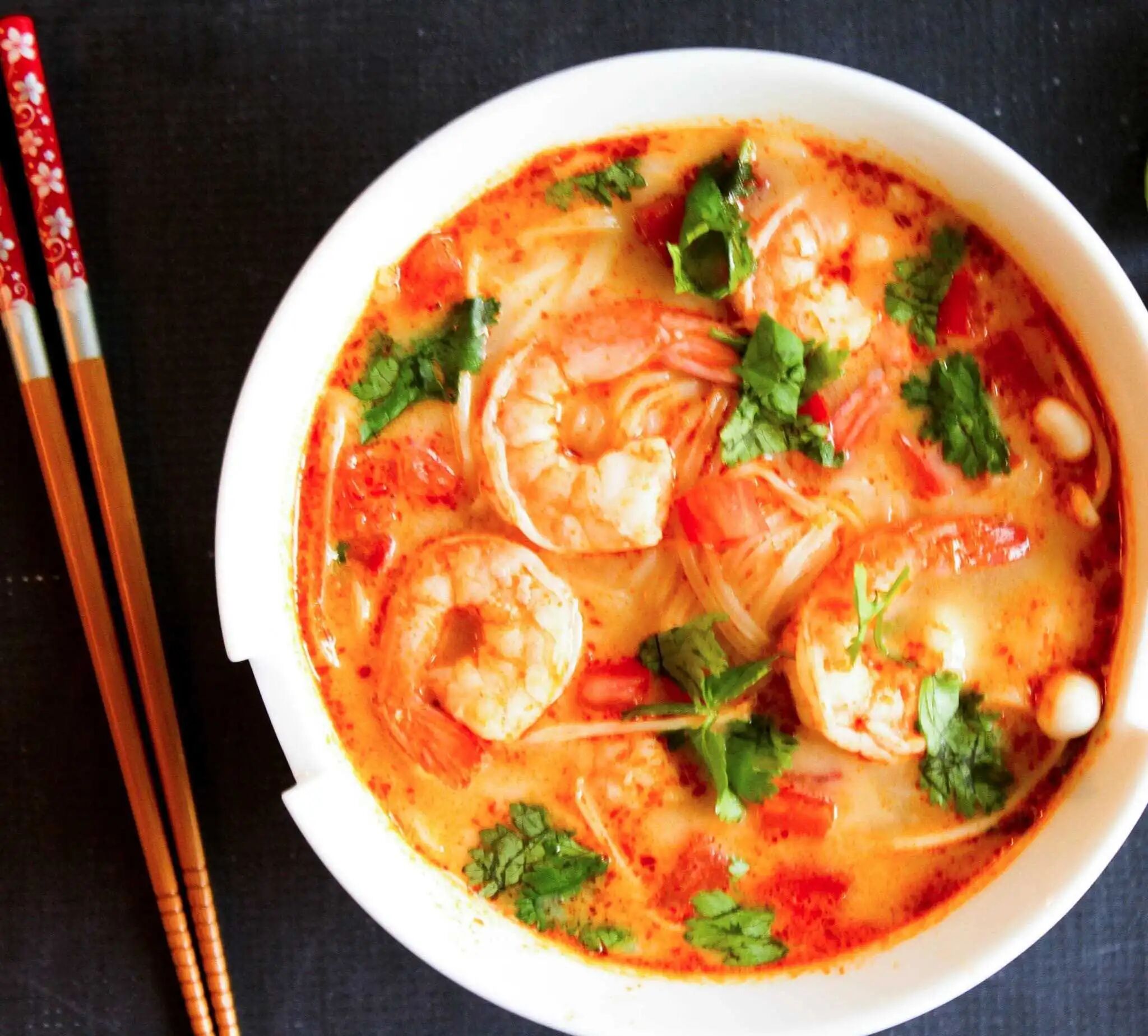 Start your culinary journey with Vietnam’s vibrant glow (Source: Internet)
Key culinary opportunities include:
Songkran (Thai New Year): Typically April, festive with spicy street Tom Yum; hot and dry (28–35°C); check dates at tourismthailand.org.
Tet (Vietnamese Lunar New Year): Typically late January to February, family feasts with Canh Chua; mild (18–28°C); check dates at vietnam.travel.
Cambodian Water Festival (Bon Om Touk): Typically November, riverside Samlor Machu stalls; cool (24–30°C); check dates at tourismcambodia.com.
Lao New Year (Pi Mai): Typically April, Luang Prabang’s Tom Yum Lao markets; warm (25–32°C); check dates at tourismlaos.org.
Year-Round Opportunities: Dry season (January–August) for outdoor markets; wet season (September–December) for indoor cooking classes.
Dry season (January–August, 18–35°C) is ideal for street food stalls and festivals. Hot period (April–August, 24–35°C) suits early morning tastings. Wet season (September–December, 24–32°C) brings rain (5–20 mm/day); focus on covered markets or cooking classes. Morning visits (7:00 AM–11:00 AM) avoid heat and crowds. Verify forecasts via accuweather.com.
Visa Preparation: Confirm exemptions (e.g., 60 days for Swiss in Thailand, 30 days in Vietnam); apply for e-visas at thaievisa.go.th or evisa.gov.vn; carry printed copies and passport photocopy travel.state.gov.
Culinary Tips: Learn basic phrases for ordering (e.g., “not too spicy”); try variations at local stalls; join cooking classes on Cambodia Travel for hands-on experience.
Documentation: Ensure passport validity (6+ months); carry proof of onward travel for exemptions; keep TM.30 registration for long stays travel.state.gov.
Eco-Tip: Use reusable utensils ($2 or 50,000 VND equivalent) to reduce plastic waste; opt for Laos Tours to learn sustainable sourcing.
Tip: Deposit 10% for tours at legendtravelgroup.com to keep peace of mind; apply for e-visas 7–14 days early; double-check details to match passport; carry small local currency for street stalls.
Pack for a comfortable, sustainable visit:
Documents: Passport (valid 6+ months), printed e-visa ($25–$50 or 625,000–1,250,000 VND equivalent if required), passport photocopy, proof of onward travel, wallet ($2 or 50,000 VND equivalent), tour bookings.
Clothing: Modest clothing covering shoulders and knees for temple-adjacent markets; lightweight scarf ($1 or 25,000 VND equivalent); quick-dry clothing and raincoat ($2 or 50,000 VND equivalent) for wet season; lightweight clothing like cotton or linen ($3 or 75,000 VND equivalent); waterproof shoes ($3 or 75,000 VND equivalent); hat ($2 or 50,000 VND equivalent).
Essentials: Reusable water bottle ($2 or 50,000 VND equivalent); snacks ($0.20–$1 or 5,000–25,000 VND equivalent, e.g., fresh fruit); small backpack ($2 or 50,000 VND equivalent); sunscreen ($1 or 25,000 VND equivalent); insect repellent ($1 or 25,000 VND equivalent).
Tech: Phone with translation apps (e.g., Google Translate); charger ($3–$5 or 75,000–125,000 VND equivalent); local SIM ($2–$3 or 50,000–75,000 VND equivalent); camera ($6 or 150,000 VND equivalent) for food photos.
Eco Items: Reusable tote ($1 or 25,000 VND equivalent) for purchases; phrase card ($1 or 25,000 VND equivalent) with regional basics.
Extras: Small local currency notes for stalls; small first aid kit ($2 or 50,000 VND equivalent); umbrella ($2 or 50,000 VND equivalent) for wet season; money belt ($2 or 50,000 VND equivalent) for valuables. Tip: Pack light (1 small bag, max 5 kg); reusable items support sustainability.
Culinary and Travel Costs
Visa Costs: Exemption: no cost; e-visa: $25–$50 (625,000–1,250,000 VND equivalent); embassy visa: $25–$100 thaievisa.go.th.
Self-Guided Exploration: Meals: $0.50–$2 (20–80 THB equivalent); transport (bicycle: $2–$5/day or 50,000–125,000 VND equivalent); market purchases: $0.50–$20 (20,000–500,000 VND equivalent).
Group Cultural Tours: $25–$40 (850–1,400 THB equivalent, includes meals).
Combo Culinary and Adventure Tours: $30–$50 (1,000–1,750 THB equivalent, includes meals).
Multi-Day Culinary Tours: $150–$300 (5,250,000–10,500,000 VND equivalent, includes meals). Safety-Related Costs
Money Belt: $2 (50,000 VND equivalent).
Local SIM for Emergency Calls: $2–$3 (50,000–75,000 VND equivalent).
Travel Insurance (Recommended): $10–$30 (250,000–750,000 VND equivalent). Other Costs
Local Snacks (e.g., Tom Yum variations): $0.20–$1 (5,000–25,000 VND equivalent).
Souvenirs (e.g., spices, crafts): $0.20–$10 (5,000–250,000 VND equivalent).
Donations: $0.20–$1 (5,000–25,000 VND equivalent). Total Daily Cost (Per Person)
Budget: $15–$40 (self-guided, snacks, transport).
Mid-range: $40–$70 (group tour, purchases).
Luxury: $70–$120 (private tour, premium souvenirs). Tip: Budget $15–$120 for tours, visa costs (if applicable), and transport; $0.20–$10 for culinary purchases or add-ons; use exemptions to save on costs.
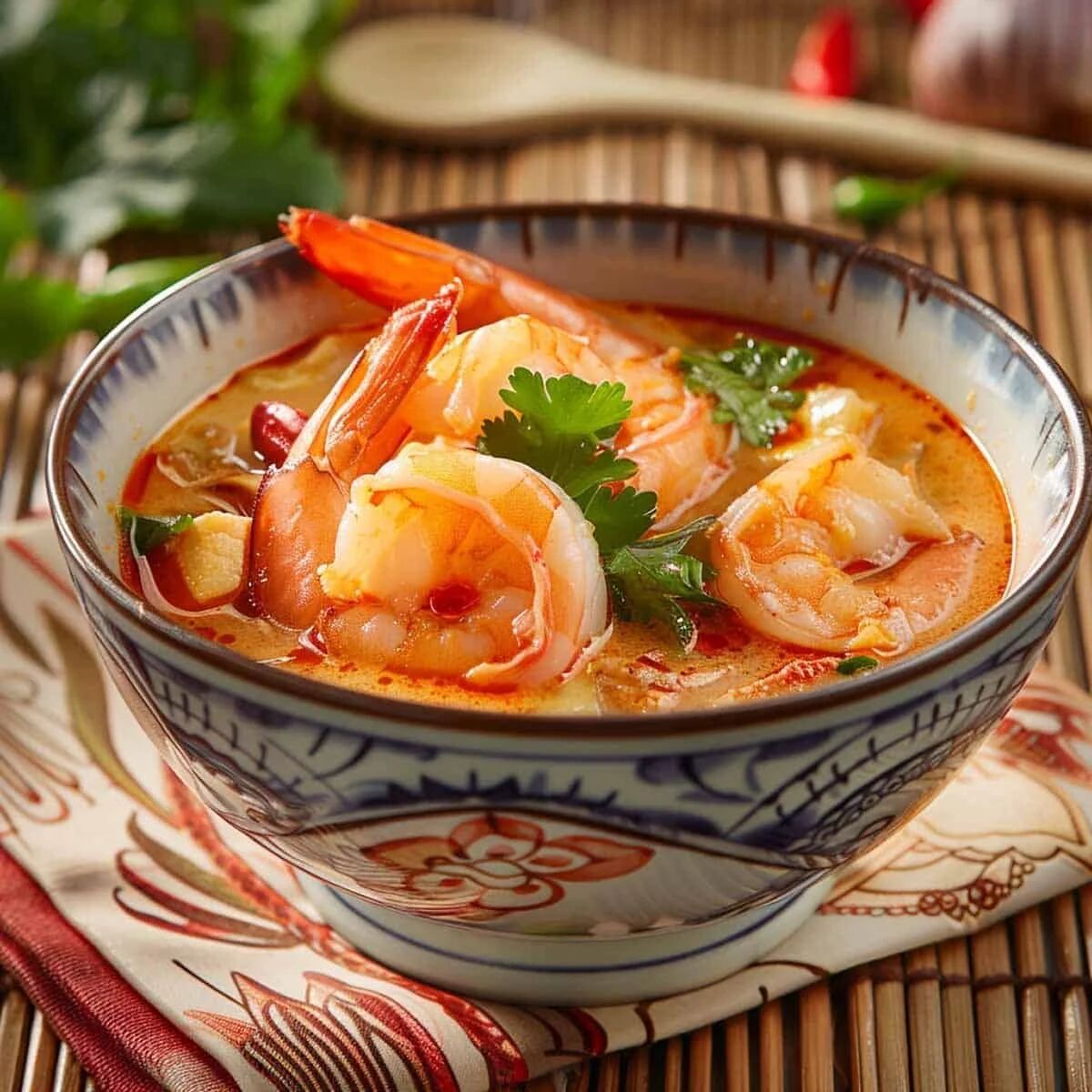 Capture the authentic charm of Thailand’s cultural scene (Source: Internet)
Culinary Tips: Try Tom Yum at street stalls in Bangkok or Hoi An; attend cooking classes on Cambodia Travel; pair with local beers like Singha (Thailand) or Beerlao (Laos).
Etiquette: Use “khob khun” (Thailand), “sua sdei” (Cambodia), “sabaidee” (Laos), or “xin chào” (Vietnam); slurp to show appreciation; share dishes communally.
Access: Choose self-guided tasting for flexibility, group tours for guided insights, or multi-day tours for immersion.
Schedules: Stalls open 7:00 AM–10:00 PM; cooking classes 9:00 AM–12:00 PM; peak crowds in dry season (January–August); book early for festivals.
Sustainability: Use reusable utensils ($2 or 50,000 VND equivalent); support local cooks with fair purchases.
Navigation: Use offline maps (Maps.me) for markets like Chatuchak or Central Market.
Weather: Dry season (Jan–Aug, 18–35°C) ideal; hot period (Apr–Aug, 24–35°C) suits early mornings; wet season (Sep–Dec, 24–32°C) requires rain gear; check forecasts via accuweather.com.
Safety Note: Secure valuables with a money belt ($2 or 50,000 VND equivalent); beware of pickpocketing in markets; carry emergency numbers (Police: 113 in Vietnam, 117 in Cambodia, 191 in Thailand).
What is Tom Yum? A spicy-sour soup originating from Thailand, with variations like Canh Chua in Vietnam and Samlor Machu in Cambodia legendtravelgroup.com.
Which countries have Tom Yum variations? Thailand, Vietnam, Cambodia, Laos, each with unique local ingredients legendtravelgroup.com.
How much does a Tom Yum meal cost? $0.50–$2 (20–80 THB equivalent) at street stalls; $5–$10 (200,000–400,000 VND equivalent) at restaurants.
Can I learn to cook Tom Yum? Yes, join cooking classes on Laos Travel for hands-on lessons.
Is Tom Yum spicy? Yes, adjustable; request “mai pet” (not spicy) in Thailand or Vietnam legendtravelgroup.com.
Are eco-friendly culinary tours available? Yes, Thailand Tours with sustainable sourcing and low-impact transport.
Enhance your Tom Yum culinary journey with eco-conscious tours from Legend Travel Group:
Southeast Asia Tom Yum Eco-Tour ($40–$80/person, 1 day): Guided tasting and cooking with sustainable practices.
Regional Culinary Trail ($150–$250/person, 2 days): Sample variations across borders with low-emission transport.
Southeast Asia Explorer ($250–$400/person, 3 days): Multi-country adventure with eco-lodges and community-focused activities. Prices include guides, transport, and meals; group discounts available. Deposit 10% to keep peace of mind—payments flexible up to 30 days before departure. Explore options at legendtravelgroup.com or contact sales@legendtravelgroup.com / WhatsApp (+84825862222) for your Cambodia Travel plans.
Savoring Tom Yum Vietnam Cambodia Laos Thailand with cultural etiquette—modest attire, polite greetings like “sawasdee,” and respectful behavior—unlocks a spicy, sustainable journey through Southeast Asia’s boldest flavors. With tour costs from $15–$400, eco-friendly Laos Tours, and variations from Bangkok to Luang Prabang, this trip offers immersion and sustainability. Whether choosing a self-guided or guided experience with Vietnam Travel, deposit 10% at legendtravelgroup.com for peace of mind—payments flexible up to 30 days before departure. Safe travels!
Sources:
legendtravelgroup.com