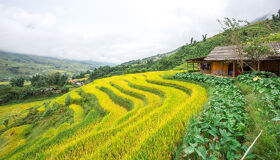
Discover the breathtaking beauty of Sapa, Vietnam in Southeast Asia with our guide! Learn about hill tribe culture, trekking tips, eco-friendly tours, and top providers for a sustainable adventure with Legend Travel Group.
 Capture Sapa’s iconic landscapes (Source: Internet)
Written by Tony Bùi, with over 20 years of experience in the travel industry, personally guiding and organizing tours for over 100,000 travellers across Southeast Asia. This guide draws from firsthand insights and guest feedback from Legend Travel Group surveys. Legend Travel Group since 2008.
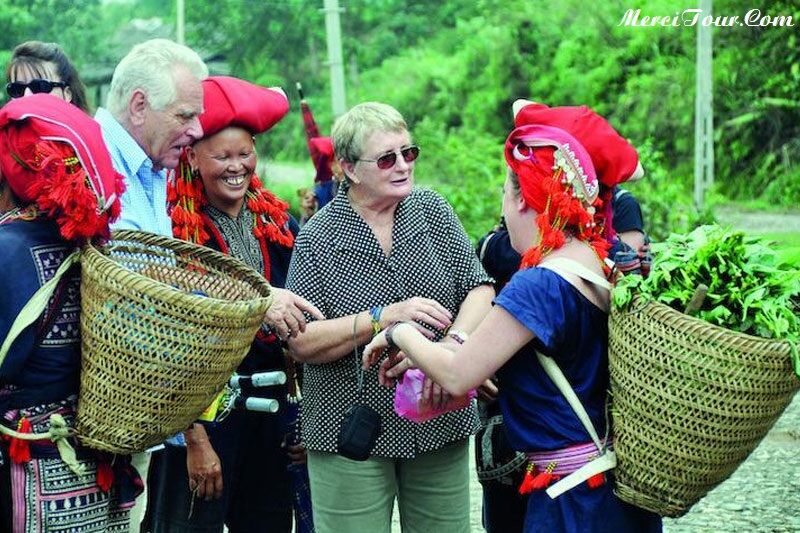 Immerse in Sapa’s ethnic heritage (Source: Internet)
Sapa, nestled in the misty mountains of northern Vietnam, is a highlight of Southeast Asia, famous for its terraced rice fields, diverse hill tribe communities, and stunning landscapes in Lao Cai Province. Located 380 km from Hanoi, it offers cultural encounters with H’mong, Dao, and Tay ethnic groups, trekking through valleys, and views of Fansipan, Indochina’s highest peak. Exploring Sapa with guided tours immerses you in authentic village life, vibrant markets, and natural beauty. Legend Travel Group’s expertly crafted tours ensure seamless experiences, with flexible payments—deposit just 10% and pay the rest 30 days before departure for peace of mind. A blend of adventure, culture, and serenity, Sapa is ideal for all travelers seeking an unforgettable Southeast Asia experience.
Legend Travel Group specializes in multi-country tours combining Vietnam’s Sapa with highlights in Thailand, Cambodia, and Laos. This guide blends cultural insights, practical visiting tips, and sustainable tour ideas for a memorable journey.
Exploring Sapa requires preparation for visas (exemption or e-visa for most nationalities) and warm clothing for cooler mountain weather. Awareness of trekking safety and respectful interactions with ethnic communities is advised. Tours cost $20–$150 per day. Key sites are accessible by bus, train, or tour transport from Hanoi. Verify visa requirements and weather via Legend Travel Group’s support.
Hill Tribe Communities — Sapa is home to H’mong, Dao, Tay, and Giay ethnic groups, known for colorful traditional clothing, handicrafts, and unique customs.
Markets and Festivals — Weekly markets like Bac Ha or Can Cau feature vibrant trade and cultural exchanges; festivals showcase traditional music and dance.
Terraced Rice Fields — Iconic landscapes, especially beautiful during planting (May–June) and harvest (September–October) seasons.
Local Cuisine — Dishes like thang co (horse stew), smoked buffalo meat, and corn wine reflect ethnic flavors.
Trekking and Homestays — Trails through villages offer authentic stays with local families.
Fansipan Peak → Indochina’s highest mountain (3,143 m), accessible by cable car or trek.
Cat Cat Village → H’mong village with waterfalls and handicrafts, 3 km from Sapa town.
Bac Ha Market → Colorful Sunday market, 100 km from Sapa.
Ham Rong Mountain → Panoramic views of Sapa town and valleys.
Silver Waterfall and Love Waterfall → Scenic spots for nature lovers.
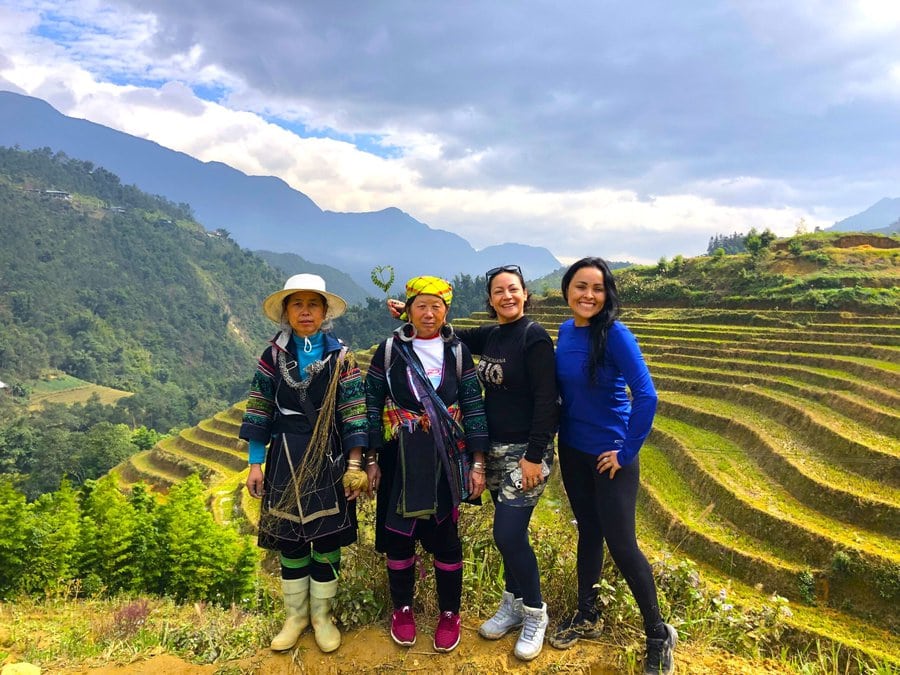 Experience Sapa’s culture with guided tours (Source: Internet)
Cultural etiquette ensures a respectful experience in Sapa’s ethnic communities.
Greetings — Offer a friendly “xin chào” with a smile; ask permission before entering homes or photographing locals.
Dress — Wear comfortable, modest clothing for trekking; avoid revealing outfits in villages.
Behaviour — Maintain a quiet demeanor in homestays; avoid touching traditional items without permission; buy handicrafts directly from artisans to support communities. A guest shared: “Respecting local customs made our Sapa visit profound.”
Customs — Tipping is appreciated but not mandatory; avoid giving money or candy to children to discourage begging.
Tip — Say “cảm ơn” (thank you) to hosts or guides; use eco-friendly practices like reusable water bottles to support sustainable travel. Tony Bùi notes: “In 20 years guiding, I’ve seen respectful travellers thrive in Sapa’s welcoming communities.”
General Tips:
Language — Carry a phrase card for basic Vietnamese or ethnic languages; English is limited in villages.
Respect — Follow homestay rules; support fair trade purchases.
Navigation — Use offline maps (Maps.me) for trekking trails.
Eco-Tip — Choose homestays and tours that benefit local communities.
Below is a curated list of tour options for exploring Sapa, based on Legend Travel Group’s expertise. Confirm schedules and prices before booking.
Details — Trek to Cat Cat Village or visit local markets independently; suitable for adventurous travelers.
Schedule — Year-round; best September–October for golden rice fields.
Cost — Homestay $10–$20/night; transport from Hanoi $20–$50; local purchases $0.50–$10.
Eco-Friendly Note — Stay in community homestays; avoid single-use plastics.
Tip — Arrange private transfers for comfort.
Details — Multi-day tour with trekking, village homestays, and market visits; includes English-speaking guide, transport from Hanoi, meals, and homestay.
Schedule — Daily departures.
Cost — $50–$100/person.
Pick-up/Drop-off — Hanoi hotels.
Eco-Friendly Note — Supports local homestays and communities.
Tip — Book via legendtravelgroup.com.
Details — Tour combining Sapa trekking with Hanoi highlights.
Schedule — Customizable.
Cost — $80–$150/person.
Eco-Friendly Note — Small groups and local support.
Tip — Book via Legend Travel Group partners.
Details — Extended tour including Sapa, Ha Giang, and Halong Bay.
Schedule — Customizable.
Cost — $150–$300/person.
Eco-Friendly Note — Sustainable practices throughout.
Tip — Book via legendtravelgroup.com.
 Start your journey with Sapa’s serene glow (Source: Internet)
Self-Guided Exploration — Flexible for independent travelers.
Group Trekking Tours — Guided for cultural immersion.
Combo Tours — Blend Sapa with other highlights.
Extended Adventure Tours — In-depth northern Vietnam exploration.
Eco-Friendly Note — Tours prioritize community support and sustainability.
Key opportunities include:
Rice Harvest Season — September–October for golden terraces.
Spring Flowers — March–April for blooming landscapes.
Year-Round Opportunities — Cool season (November–February) for clear views; wet season (June–August) for lush greenery.
Harvest season best for iconic views; spring for flowers. Verify via Legend Travel Group’s support.
 Learn Sapa’s traditions with expert guidance (Source: Internet)
Online Platforms — Book via legendtravelgroup.com ($20–$300). Deposit 10% for peace of mind.
Tour Operators — Contact Legend Travel Group for customized packages.
Direct — Book local homestays; use Legend Travel Group for bundled experiences.
Eco-Tip — Digital bookings reduce paper waste.
Tip — Book early for harvest season; flexible payments available.
Pack for a comfortable, sustainable visit:
Documents — Passport, visa, wallet, tour bookings.
Clothing — Warm layers for cool evenings; raincoat for wet season; sturdy trekking shoes; hat.
Essentials — Reusable water bottle; snacks; small backpack; sunscreen; insect repellent.
Tech — Phone with apps; charger; local SIM; camera.
Eco Items — Reusable tote; phrase card.
Extras — Small VND notes; first aid kit; umbrella; money belt. Tip — Pack light; reusable items support sustainability.
Travel Tour Costs
Self-Guided Exploration — Homestay $10–$20/night; transport $20–$50.
Group Trekking Tours — $50–$100/person.
Combo Tours — $80–$150/person.
Extended Tours — $150–$300/person.
Other Costs
Snacks — $0.50–$2.
Souvenirs — $1–$20.
Donations — $0.30–$1.
Total Daily Cost (Per Person)
Budget — $20–$60.
Mid-range — $60–$120.
Luxury — $120–$200. Tip — Budget varies; flexible payments with Legend Travel Group.
Travel Tips — Book transfers from Hanoi; trek with guides for safety; carry small VND notes; respect ethnic communities.
Etiquette — Use “xin chào”; dress modestly in villages; ask permission for photos.
Access — Choose group tours for ease.
Schedules — Year-round; peak harvest season.
Sustainability — Support homestays; reduce plastic use.
Navigation — Use offline maps.
Weather — Cool evenings year-round; rain in wet season.
Safety Note — Secure valuables; watch footing on trails.
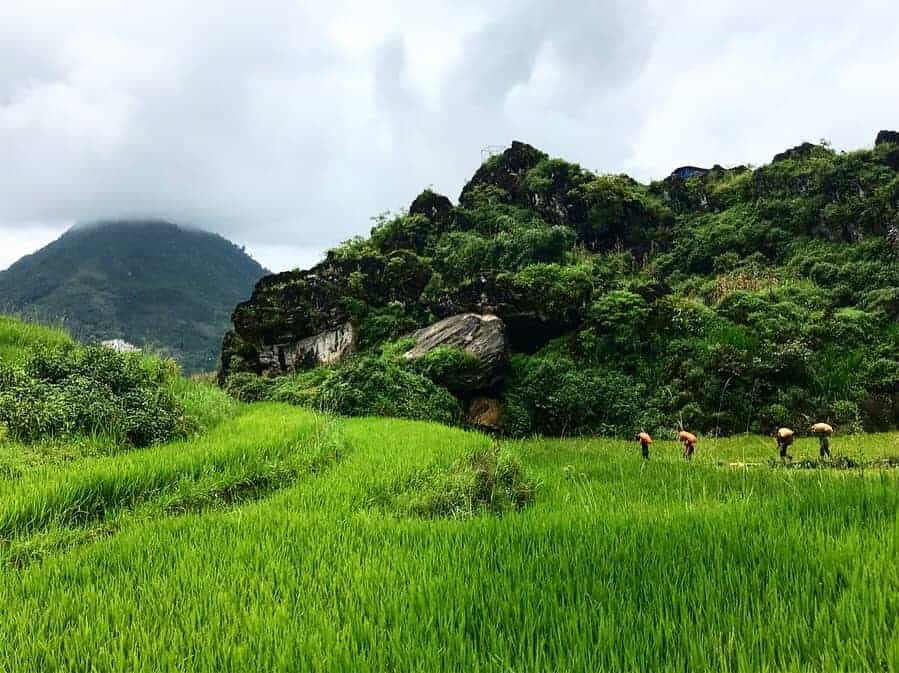 Capture the authentic charm of Sapa’s scenery (Source: Internet)
What is Sapa known for? Terraced rice fields, hill tribe culture, and trekking.
How do I get to Sapa? Bus or train from Hanoi; Legend Travel Group provides transfers.
What is the best time for Sapa? September–October for harvest views.
How do I book Sapa tours? Via legendtravelgroup.com; deposit 10%.
Are homestays safe? Yes, with reputable operators like Legend Travel Group.
Are eco-friendly tours available? Yes, prioritizing community support.
Enhance your Sapa journey with eco-conscious tours from Legend Travel Group:
Sapa Eco-Trekking Tour ($50–$100/person) → Guided treks with homestays.
Northern Vietnam Trail ($100–$200/person) → Combine Sapa with Hanoi.
Vietnam Explorer ($150–$300/person) → Extended northern adventure.
Prices include guides, transport, and fees; deposit 10% for peace of mind. Explore options at legendtravelgroup.com or contact sales@legendtravelgroup.com / WhatsApp (+84825862222) for customized plans.
Exploring Sapa in Southeast Asia unlocks breathtaking landscapes and rich ethnic cultures. With eco-friendly tours from Legend Travel Group, discover terraced fields, village homestays, and mountain views sustainably. Flexible payments—deposit 10%—ensure peace of mind. Book at legendtravelgroup.com for unforgettable adventures. Safe travels!
Sources:
Legend Travel Group’s expertise
Internal data from Vietnam tourism