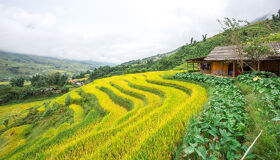
Discover the tropical bounty of mango farms across Vietnam, Cambodia, Laos, and Thailand! Learn about sustainable harvesting, cultural experiences, eco-friendly Vietnam Tours, Cambodia Tours, Laos Tours, Thailand Tours, and immersive Vietnam Travel, Cambodia Travel, Laos Travel, Thailand Travel options. Book with Legend Travel Group for flexible deposits—only 10% upfront, with peace of mind until 30 days before departure.
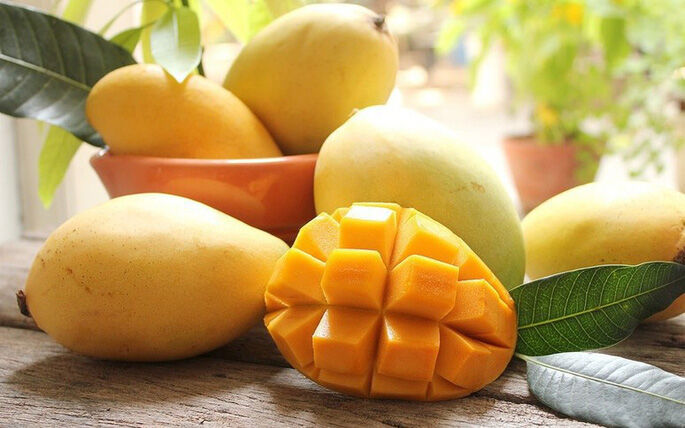 Hoa Loc Mango Tien Giang (Source: Internet)
Written by Tony Bùi, with over 20 years of experience in the travel industry, personally guiding and organizing tours for over 100,000 travellers across Southeast Asia. This guide draws from firsthand insights, guest feedback from Legend Travel Group surveys. Legend Travel Group since 2008.
Mango farms across Vietnam, Cambodia, Laos, and Thailand represent the heart of Southeast Asia’s tropical bounty, where golden orchards meet ancient traditions. From Vietnam’s Mekong Delta mango groves to Cambodia’s Kampot plantations, Laos’ Luang Prabang highlands, and Thailand’s Chanthaburi farms, these sites offer a tantalizing blend of fresh harvests, rural life, and eco-adventures. Whether joining guided Vietnam Tours or exploring independently, discovering mango farms provides a sweet escape into sustainable agriculture and local cuisine. As these regions’ climates nurture the world’s finest mangoes—think Vietnam’s xoài cát Hòa Lộc or Thailand’s Nam Dok Mai—the farms are perfect for immersive experiences like picking sessions and farm-to-table meals. This guide offers practical tips, cultural insights, and sustainable Cambodia Travel options to enhance your journey, ensuring a respectful and flavorful adventure.
With Legend Travel Group, secure your spot with just 10% deposit, enjoying full flexibility and peace of mind up to 30 days before departure. This guide draws from our expertise to help you plan a seamless trip across these mango-rich borders.
Mango farm visits require standard visas for each country (e.g., Vietnam e-visa $25; Cambodia visa on arrival $30; Laos visa on arrival $35; Thailand visa exemption for many nationalities). Entry to farms is typically free or donation-based, with guided tours costing $15–$60 (375,000–1,500,000 VND or equivalent). Local purchases range from $0.50–$10 (12,500–250,000 VND). Key farms are accessible by tuk-tuk, bicycle, or tour transport from nearby towns. Verify visa requirements via official portals and farm schedules through local contacts. Legend Travel Group handles all logistics for a hassle-free experience.
Key Farms: Vinh Kim Mango Farm (Tien Giang Province), famous for xoài cát Hòa Lộc mangoes; Cai Be Floating Market (Vinh Long), where mangoes float alongside fresh produce vinpearl.com.
Cultural Tie-In: Mango harvesting festivals in the Mekong Delta blend with Khmer-influenced traditions, offering boat rides and farm stays.
Best Time: Dry season (December–April, 24–32°C) for picking; wet season (June–October) for lush orchards.
Eco-Tip: Support organic farms; avoid plastic waste during market visits.
Key Farms: Chamkar Khmer Farm (Kampot Province), known for sweet mango varieties amid pepper plantations; Teuk Chhou Rapids (Kampot), combining mango groves with river adventures.
Cultural Tie-In: Khmer mango festivals tie into harvest rituals, with local cooks sharing recipes for mango sticky rice.
Best Time: Cool season (November–February, 20–30°C) for tours; rainy season (June–October) for vibrant growth.
Eco-Tip: Choose community-led farms; use reusable bags for fresh mango purchases.
Key Farms: Nong Khiaw Mango Orchards (near Luang Prabang), blending mangoes with rice terraces; Pak Ou Caves area farms, where mangoes complement cave explorations.
Cultural Tie-In: Lao mango rituals during Boun Ok Phansa (Buddhist festival) feature mango offerings at temples.
Best Time: Dry season (November–April, 20–32°C) for harvesting; wet season (May–October) for scenic tours.
Eco-Tip: Support permaculture farms; cycle to groves to minimize carbon footprint.
Key Farms: Chanthaburi Mango Research Center, home to over 200 varieties like Nam Dok Mai; Wang Saphung Mango Orchards (near Bangkok), offering picking experiences.
Cultural Tie-In: Thai mango festivals during Songkran (April) include mango carving and sticky rice feasts.
Best Time: Cool season (November–February, 24–30°C) for peak harvest; hot season (March–May) for sweet fruits.
Eco-Tip: Visit organic-certified farms; use local transport like songthaews.
 Pack to home (Source: Internet)
Cultural etiquette ensures a respectful experience at mango farms during Laos Tours. Here’s your guide, based on current norms:
Greetings: Offer “sua sdei” in Cambodia, “xin chào” in Vietnam, “sabaidee” in Laos, or “sawasdee” in Thailand with a nod or wai/sampeah; use both hands for transactions with farmers culturetrip.com.
Dress: Wear modest, lightweight clothing covering shoulders and knees for farm visits or nearby temples; a scarf ($3 or 100 THB equivalent) is useful tourismcambodia.com.
Behaviour: Maintain a calm demeanor during harvests; ask permission before photographing farmers or rituals; avoid touching crops without guidance. A guest shared: “Respecting local customs made our mango farm visit profound.”
Customs: Donations ($0.30–$1 or 10,000–40,000 KHR) appreciated at community farms; tipping guides ($0.50–$2 or 20,000–80,000 KHR) is optional. Avoid public criticism of governments; follow farm rules to prevent damage nomadicmatt.com.
Tip: Say “arkun” in Cambodia, “cảm ơn” in Vietnam, “khob chai” in Laos, or “khob khun” in Thailand; use eco-friendly practices like reusable bags ($2 or 50,000 VND) to support sustainable Thailand Travel; maintain silence during rituals. Tony Bùi notes: “In 20 years guiding, I’ve seen respectful travellers thrive at mango farms across borders.”
General Tips:
Language: Carry a multi-language phrase card ($2 or 50,000 VND) for basics; English is common at tourist farms but limited among locals culturetrip.com.
Respect: Follow farm guidelines (no pesticides exposure); support organic producers with fair purchases.
Navigation: Use offline maps (Maps.me) for farms like Vinh Kim or Chanthaburi; carry a printed visa or passport photocopy travel.state.gov.
Eco-Tip: Opt for bicycles ($1–$3 or 25,000–75,000 VND/day) or tuk-tuks ($1–$2 or 30,000–50,000 VND) to farms to reduce emissions vietnam.travel.
Below is a curated list of tour options for exploring mango farms, based on the latest data from vietnam.travel, tourismcambodia.com, tourismthailand.org, and laostourism.org. Confirm schedules and prices before booking.
Details: Visit Vinh Kim Mango Farm (Vietnam), Chamkar Khmer Farm (Cambodia), Nong Khiaw Orchards (Laos), or Chanthaburi Mango Center (Thailand) independently; suitable for prepared travelers; low difficulty.
Visa Tips: Use exemptions (Vietnam 45 days for Swiss, Cambodia 30 days, Laos 30 days, Thailand 60 days); carry printed visa or passport photocopy vietnam-visa.com.
Schedule: Daily; farms open 8:00 AM–5:00 PM; harvest peaks December–April.
Cost: Entry: free or donation-based ($0.30–$1 or 10,000–40,000 KHR); transport (bicycle: $1–$3 or 25,000–75,000 VND/day; tuk-tuk: $1–$2 or 30,000–50,000 VND); mango purchases: $0.50–$5 (12,500–125,000 VND).
Location: Mekong Delta (Vietnam), Kampot (Cambodia), Luang Prabang (Laos), Chanthaburi (Thailand).
Eco-Friendly Note: Use bicycles or walk to farms; avoid plastic waste during market visits.
Tip: Confirm farm schedules locally; a guest from Switzerland noted: “Self-guided farm visits were immersive with visa exemption.”
Details: 1-day group tour visiting a mango farm and local market in the Mekong Delta (Vietnam) or Chanthaburi (Thailand); includes English-speaking guide, tuk-tuk transport, lunch, and farm activities; low difficulty.
Visa Tips: Ensure exemption or e-visa; guides assist with TM.30 registration travel.state.gov.
Schedule: Daily; departs 7:00 AM from Hanoi or Bangkok hotels; returns by 4:00 PM.
Cost: $25–$40/person (625,000–1,000,000 VND or equivalent, includes transport and activities).
Pick-up/Drop-off: Hotels in Hanoi or Bangkok.
Eco-Friendly Note: Group transport with fuel-efficient vehicles minimizes impact; supports local farmers.
Tip: Book via legendtravelgroup.com; a guest from Germany noted: “Legend’s tour was visa-compliant and culturally enriching.”
Details: 1-day guided tour visiting a Kampot mango farm (Cambodia) or Nong Khiaw orchards (Laos) with a river cruise; includes English-speaking guide, tuk-tuk transport, lunch, and entry fees; low to moderate difficulty.
Visa Tips: Use exemption or e-visa for multi-country travel; carry printed visa or passport photocopy tourismcambodia.com.
Schedule: Daily; departs 6:30 AM from Phnom Penh or Luang Prabang hotels; returns by 4:00 PM.
Cost: $30–$50/person (120,000–200,000 KHR or equivalent, includes entry).
Pick-up/Drop-off: Hotels in Phnom Penh or Luang Prabang.
Eco-Friendly Note: Small groups and local boats reduce environmental impact; supports community farms.
Tip: Book via localvietnam.com (Southeast Asia partner sites); a guest from Australia noted: “The combo tour was visa-ready and adventurous.”
Details: 2–3 day tour combining mango farms in Vietnam’s Mekong Delta, Cambodia’s Kampot, and Thailand’s Chanthaburi; includes English-speaking guide, transport, accommodation, meals, and farm activities; low to moderate difficulty.
Visa Tips: Use multiple-entry e-visa for multi-country travel; carry printed e-visa or passport photocopy; confirm TM.30 registration travel.state.gov.
Schedule: Daily; departs from Hanoi hotels; returns after 2–3 days.
Cost: $80–$200/person (2,000,000–5,000,000 VND or equivalent, includes entries).
Pick-up/Drop-off: Hotels or custom locations in Hanoi.
Eco-Friendly Note: Uses eco-lodges and fuel-efficient transport; supports local communities.
Tip: Book Cambodia Tours via legendtravelgroup.com or WhatsApp (+84 825862222); a guest from Switzerland noted: “The multi-day tour was a visa-smart cultural journey.”
Self-Guided Exploration: Flexible and authentic, ideal for travelers with visa exemptions.
Group Mango Farm Tours: Affordable and guided, perfect for cultural insights with minimal hassle.
Combo Mango Farm and Adventure Tours: Blend farm visits with eco-friendly activities for a comprehensive experience.
Multi-Day Mango Farm Tours: Offer in-depth exploration with visa-smart itineraries.
Eco-Friendly Note: Group and multi-day tours use fuel-efficient transport or bicycles, supporting sustainable agriculture in Southeast Asia.
Key mango farm travel opportunities include:
Mango Harvest Festivals: Typically March–May, vibrant with picking and feasts; hot and dry (25–35°C); check dates at local calendars vietnam.travel.
Mid-Autumn Festival (Laos/Thailand): Typically September, festive with lantern parades and mango desserts; warm and wet (24–31°C); check dates at tourismthailand.org.
Year-Round Opportunities: Dry season (January–August) for harvesting; wet season (September–December) for lush scenery and fewer crowds.
Dry season (January–August, 18–33°C) is ideal for mango picking and farm tours. Hot period (April–August, 24–33°C) suits early morning outings. Wet season (September–December, 24–31°C) brings rain (5–20 mm/day); focus on indoor farm workshops or markets. Morning visits (7:00 AM–11:00 AM) avoid heat and crowds. Verify forecasts via accuweather.com.
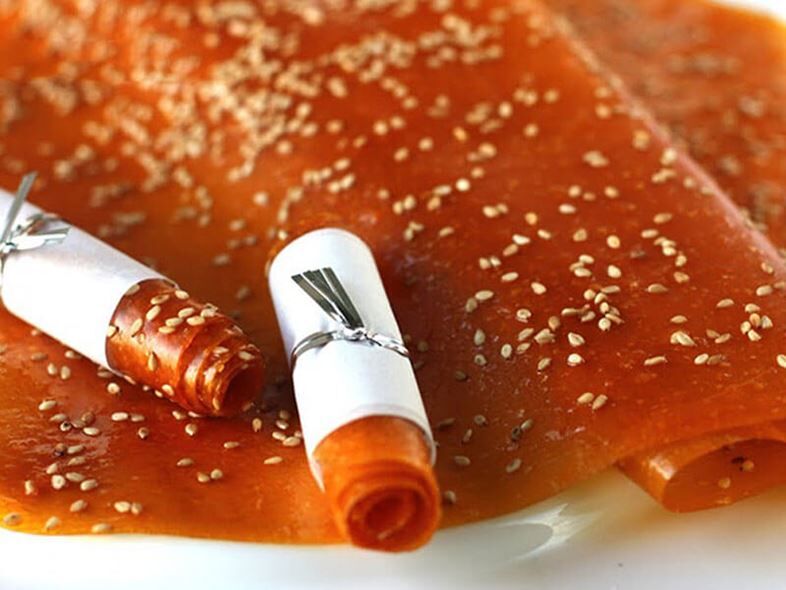 Mango Cake Nha Trang Khanh Hoa (Source: Internet)
Online Platforms: Book Laos Tours via legendtravelgroup.com; provide pick-up details (e.g., Hanoi hotels); e-tickets are acceptable, but printing is recommended for border checks.
Tour Operators: Contact Legend Travel Group for bundled tours with mango farms, markets, and cultural sites; deposit only 10% upfront, with full flexibility up to 30 days before departure.
Direct: Farms like Vinh Kim or Chanthaburi are free (donation-based); book guided tours via Legend Travel Group (+84 825862222); confirm schedules through our team.
Eco-Tip: Use digital tickets to reduce paper waste; opt for bicycles or tuk-tuks to farms to minimize emissions.
Tip: Book early for harvest seasons (March–May); arrive by 7:00 AM for picking; carry small local currency for purchases; Legend Travel Group ensures visa compliance for multi-country itineraries.
Pack for a comfortable, sustainable visit:
Documents: Passport (valid 6+ months), printed e-visa ($25–$50 or 625,000–1,250,000 VND if required), wallet ($2 or 50,000 VND), tour bookings.
Clothing: Modest, lightweight clothes covering shoulders and knees for farm or temple visits; lightweight scarf ($1 or 25,000 VND); quick-dry clothing and raincoat ($2 or 50,000 VND) for wet season; comfortable walking shoes ($3 or 75,000 VND); hat ($2 or 50,000 VND).
Essentials: Reusable water bottle ($2 or 50,000 VND); snacks ($0.20–$1 or 5,000–25,000 VND, e.g., mango sticky rice); small backpack ($2 or 50,000 VND); sunscreen ($1 or 25,000 VND); insect repellent ($1 or 25,000 VND).
Tech: Phone with translation apps (e.g., Google Translate); charger ($3–$5 or 75,000–125,000 VND); local SIM ($2–$3 or 50,000–75,000 VND); camera ($6 or 150,000 VND) for photos.
Eco Items: Reusable tote ($1 or 25,000 VND) for mango purchases; phrase card ($1 or 25,000 VND) with multi-language basics.
Extras: Small local currency notes for donations or purchases; small first aid kit ($2 or 50,000 VND); umbrella ($2 or 50,000 VND) for wet season; money belt ($2 or 50,000 VND) for valuables. Tip: Pack light (1 small bag, max 5 kg); reusable items support sustainability.
 Mango Sticky Rice Thailand (Source: Internet)
Travel Tour Costs
Self-Guided Exploration: Entry: free or donation-based ($0.30–$1 or 10,000–40,000 KHR equivalent); transport (bicycle: $1–$3 or 25,000–75,000 VND/day; tuk-tuk: $1–$2 or 30,000–50,000 VND).
Group Mango Farm Tours: $25–$40 (625,000–1,000,000 VND, includes transport and activities).
Combo Mango Farm and Adventure Tours: $30–$50 (750,000–1,250,000 VND, includes entry).
Multi-Day Mango Farm Tours: $80–$200 (2,000,000–5,000,000 VND, includes entries). Safety-Related Costs
Money Belt: $2 (50,000 VND).
Local SIM for Emergency Calls: $2–$3 (50,000–75,000 VND).
Travel Insurance (Recommended): $10–$30 (250,000–750,000 VND). Other Costs
Mango Purchases: $0.50–$5 (12,500–125,000 VND).
Local Snacks: $0.20–$1 (5,000–25,000 VND).
Donations: $0.30–$1 (10,000–40,000 KHR equivalent). Total Daily Cost (Per Person)
Budget: $15–$40 (self-guided, snacks, transport).
Mid-range: $40–$70 (group tour, purchases).
Luxury: $70–$120 (private tour, premium souvenirs). Tip: Budget $15–$120 for tours and transport; $0.20–$10 for purchases or add-ons; Legend Travel Group offers flexible deposits of 10% upfront for peace of mind.
Travel Tips: Apply for e-visas 7–14 days early; visit farms early (7:00 AM) for harvesting; negotiate tuk-tuk fares; carry small local currency; enroll in STEP for alerts.
Etiquette: Use “xin chào” in Vietnam, “sua sdei” in Cambodia; dress modestly; respect farm and local customs; avoid touching crops without permission.
Access: Choose self-guided visits for flexibility, group tours for insights, or multi-day tours for immersion.
Schedules: Farms open 8:00 AM–5:00 PM; book early for harvest seasons (March–May); check advisories before travel.
Sustainability: Use bicycles or tuk-tuks; carry reusable items; support local vendors with fair purchases.
Navigation: Use offline maps (Maps.me) for farms like Vinh Kim or Chanthaburi.
Weather: Dry season (Jan–Aug, 18–33°C) ideal; hot period (Apr–Aug, 24–33°C) suits early mornings; wet season (Sep–Dec, 24–31°C) requires rain gear; check forecasts via accuweather.com.
Safety Note: Secure valuables with a money belt ($2 or 50,000 VND); beware of pickpocketing in markets; carry emergency numbers (Police: 113 in Vietnam, 117 in Cambodia).
What are the best mango farms to visit? Vinh Kim (Vietnam), Chamkar Khmer (Cambodia), Nong Khiaw (Laos), Chanthaburi (Thailand) for harvesting and cultural experiences vietnam.travel.
Do I need a visa to visit mango farms? Exemptions for many nationalities (e.g., 45 days in Vietnam, 30 days in Cambodia); e-visas required for others vietnam-visa.com.
How much do mango farm tours cost? $15–$200 (375,000–5,000,000 VND equivalent), including transport and activities tourismthailand.org.
When is mango harvest season? March–May across regions; dry season ideal for visits vinpearl.com.
Are mango farms eco-friendly? Many support sustainable practices; choose organic tours with Legend Travel Group for community impact legendtravelgroup.com.
How do I get to mango farms? Tuk-tuks, bicycles, or tours from nearby towns; Legend Travel Group includes transport legendtravelgroup.com.
Enhance your mango farm journey with eco-conscious tours from Legend Travel Group:
Mango Farm Eco-Tour ($25–$40/person, 1 day): Guided harvesting and market visit with sustainable practices.
Southeast Asia Mango Trail ($80–$150/person, 2 days): Explore farms across borders with low-emission transport.
Vietnam Mango Explorer ($150–$250/person, 3 days): Multi-site adventure with eco-lodges and community-focused activities. Prices include guides, transport, and fees; deposit only 10% upfront, with full flexibility up to 30 days before departure for peace of mind. Explore options at legendtravelgroup.com or contact sales@legendtravelgroup.com / WhatsApp (+84 825862222) for your Cambodia Travel plans.
Discovering Mango Farms in Vietnam, Cambodia, Laos, and Thailand with cultural etiquette—modest attire, polite greetings like “xin chào,” and respectful farm interactions—unlocks a fresh, sustainable journey through Southeast Asia’s tropical heartlands. With tour costs from $15–$200, eco-friendly Laos Tours, and flavorful experiences like Mekong Delta picking and Chanthaburi markets, this trip offers sweetness and sustainability. Whether choosing a self-guided or guided experience with Thailand Travel, leverage visa exemptions or e-visas early, and respect local customs for the best experience. Book with Legend Travel Group for 10% deposit and peace of mind—your adventure awaits!
Sources:
Legendtravelgroup.com