Discover the differences between staying overnight at a hotel vs homestay in Sapa, Vietnam! Compare comfort, culture, costs, eco-friendly Vietnam Tours, and top providers for an authentic experience with Vietnam Travel. Plan your stay today!
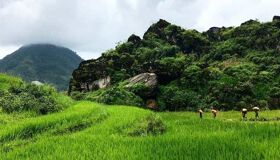
 Capture the serene beauty of Sapa’s hotel vistas (Source: Internet)
Written by Tony Bùi, with over 20 years of experience in the travel industry, personally guiding and organizing tours for over 100,000 travellers across Southeast Asia. This guide draws from firsthand insights, guest feedback from Legend Travel Group surveys. Legend Travel Group since 2008. Information based on the latest data; verify before travel.
=> Vietnam - 10 Days. Departure every Monday from Hanoi
=> Vietnam - 12 Days. Departure every Saturday from Hanoi
=> Vietnam and Cambodia - 12 Days. Departure every Monday from Hanoi
=> Vietnam - 10 Days. Departure every Monday from Saigon
=> Vietnam - 12 Days. Departure every Saturday from Saigon
=> Vietnam and Cambodia - 14 Days. Departure every Saturday from Hanoi
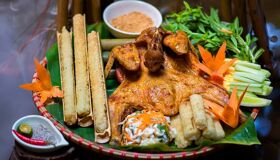
 Immerse in Sapa’s authentic village life (Source: Internet)
Sapa, nestled in northern Vietnam’s misty mountains, is renowned for its terraced rice fields, ethnic minority villages, and trekking opportunities. Accommodation choices greatly impact your experience: luxury hotels offer modern comfort and stunning views, while homestays with H’mong or Red Dao families provide authentic cultural immersion. Staying overnight at a hotel vs homestay in Sapa with Vietnam Tours immerses you in the region’s ethnic diversity and natural beauty, perfect for families, couples, or groups seeking relaxation or adventure. Legend Travel Group’s packages often include homestay options or hotel stays, with flexible payments—deposit just 10% and pay the rest 30 days before departure for peace of mind. A blend of comfort and authenticity, these accommodations, facilitated by trusted Vietnam Travel providers, cater to all ages and traveler types.
This guide compares hotel and homestay stays in Sapa, provides practical tips, cultural insights, and sustainable Vietnam Travel ideas for an unforgettable northern Vietnam experience.
Staying in Sapa requires no entry fee, but trekking permits or village fees may apply ($1–$2 or 25,000–50,000 VND). A Vietnam visa is required for most nationalities ($25–$50 or 625,000–1,250,000 VND). Hotel stays cost $20–$200/night (500,000–5,000,000 VND); homestays $10–$50/night (250,000–1,250,000 VND, often including meals). Tours cost $20–$200 (500,000–5,000,000 VND). Verify travel advisories via Legend Travel Group’s support.
Location and Access:
Hotel: Often in Sapa town center or with valley views (e.g., Topas Ecolodge, Silk Path Grand).
Homestay: In ethnic villages like Ta Van or Cat Cat, 5–15 km from town.
Atmosphere and Vibe:
Hotel: Modern luxury, privacy, panoramic views; international standards.
Homestay: Authentic ethnic experience; family-run, communal living.
Facilities and Amenities:
Hotel: Private rooms, en-suite bathrooms, pools, spas, Wi-Fi, restaurants.
Homestay: Basic dorms or private rooms, shared bathrooms, home-cooked meals, cultural activities.
Activities:
Hotel: Spa treatments, infinity pools, guided treks.
Homestay: Cooking classes, village walks, storytelling with hosts.
Crowds and Seasonality:
Hotel: Consistent comfort year-round; busier in dry season.
Homestay: More intimate; peak in rice harvest (September–October).
Sustainability: Homestays often support local communities directly; eco-hotels focus on green practices.
Choose Hotel for luxury, privacy, and modern amenities.
Choose Homestay for authentic cultural immersion and community support.
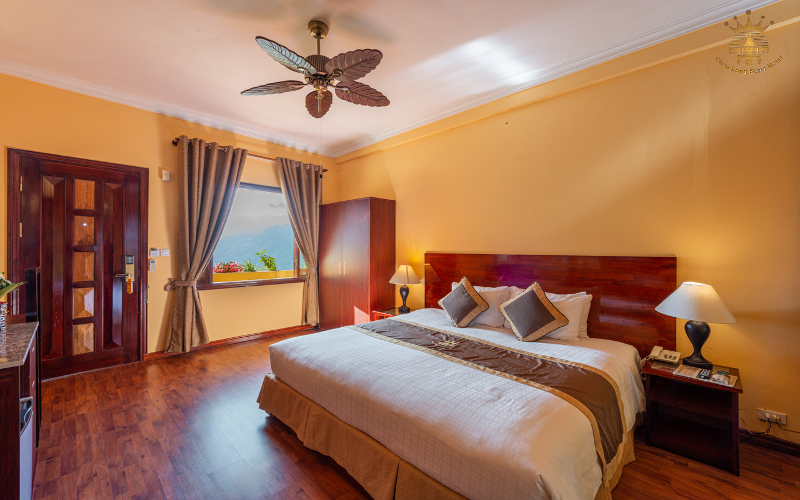 Photograph the stunning terraces from Sapa’s hotels” (Source: Internet)
Cultural etiquette ensures a respectful stay during Vietnam Tours. Here’s your guide:
Greetings: Offer “xin chào” (hello) with a slight nod to hosts or locals.
Dress: Wear modest clothing covering shoulders and knees in villages; carry a lightweight scarf ($1 or 25,000 VND).
Behaviour: Ask permission before photographing hosts or homes; respect family spaces in homestays; avoid loud behavior. A guest shared: “Respecting ethnic customs made our Sapa stay enriching.”
Customs: Small gifts (e.g., fruit, candy) appreciated for homestay hosts; donations ($0.20–$1 or 5,000–25,000 VND) support communities.
Tip: Say “cảm ơn” (thank you) to hosts or guides; use eco-friendly practices like reusable water bottles ($2 or 50,000 VND) to support sustainable Vietnam Travel. Tony Bùi notes: “In 20 years guiding, I’ve seen respectful travellers thrive in Sapa’s ethnic culture.”
General Tips:
Language: Carry a phrase card ($1 or 25,000 VND) for Vietnamese basics; English limited in villages.
Respect: Follow homestay rules; support local vendors with fair purchases.
Navigation: Use offline maps (Maps.me) with “Sapa” or village names for navigation.
Eco-Tip: Choose eco-homestays or green hotels to reduce emissions.
Below is a curated list of tour options for staying overnight in Sapa, based on Legend Travel Group’s expertise. Confirm schedules and prices before booking.
Details: Book hotel or homestay independently; suitable for all travelers; low difficulty.
Schedule: Daily; check-in anytime.
Cost: Hotel: $20–$200/night (500,000–5,000,000 VND); homestay: $10–$50/night (250,000–1,250,000 VND, often including meals).
Location: Sapa Town or ethnic villages, Lao Cai Province.
Eco-Friendly Note: Choose eco-hotels or community homestays; avoid littering.
Tip: Book early for rice season; a guest noted: “Self-booked stays were flexible and authentic.”
Details: 1–2 day group tour with luxury hotel stay and trekking; includes English-speaking guide, transport from Hanoi, meals, and hotel; low difficulty.
Schedule: Daily; departs from Hanoi or Sapa hotels.
Cost: $50–$100/person (1,250,000–2,500,000 VND, includes hotel and activities).
Pick-up/Drop-off: Hotels in Hanoi or Sapa.
Eco-Friendly Note: Group transport with fuel-efficient vehicles minimizes impact; supports local communities.
Tip: Book via legendtravelgroup.com; a guest noted: “Legend’s hotel tour offered comfort and culture.”
Details: 1–2 day guided tour with ethnic homestay and village trekking; includes English-speaking guide, transport from Sapa, meals, and homestay; moderate difficulty.
Schedule: Daily; departs from Sapa hotels.
Cost: $30–$60/person (750,000–1,500,000 VND, includes homestay and meals).
Pick-up/Drop-off: Hotels in Sapa.
Eco-Friendly Note: Small groups reduce impact; supports local communities directly.
Tip: Book via localvietnam.com; a guest noted: “The homestay tour blended authenticity and adventure perfectly.”
Details: 3–5 day tour combining hotel/homestay stays, trekking, and Ha Giang extension; includes English-speaking guide, transport, accommodation, meals, and activities; moderate difficulty.
Schedule: Daily; departs from Hanoi hotels.
Cost: $150–$300/person (3,750,000–7,500,000 VND, includes activities).
Pick-up/Drop-off: Hotels in Hanoi.
Eco-Friendly Note: Uses eco-lodges and fuel-efficient transport; supports local communities.
Tip: Book Vietnam Tours via legendtravelgroup.com or WhatsApp (+84 825862222); a guest noted: “The multi-day tour was a deep northern immersion.”
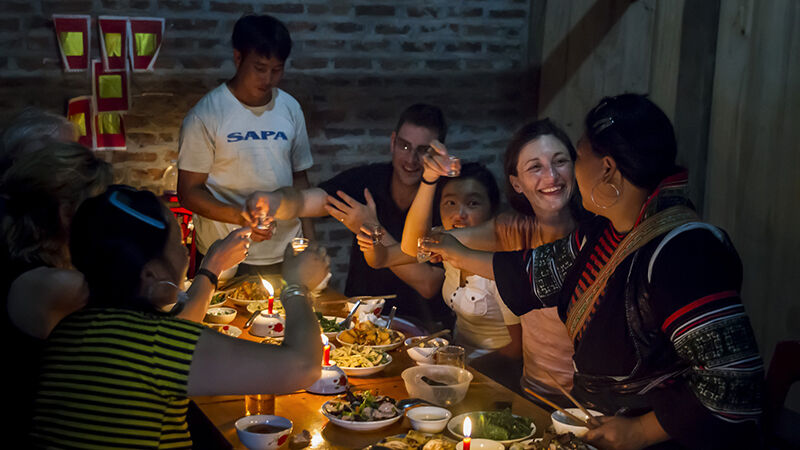 Experience Sapa’s culture with guided tours (Source: Internet)
Self-Guided Booking: Flexible and cost-effective, ideal for independent travelers.
Group Hotel Stay Tours: Comfortable and guided, perfect for luxury and relaxation.
Combo Homestay and Trekking Tours: Authentic and immersive for cultural experiences.
Multi-Day Accommodation Tours: Offer in-depth exploration, perfect for all traveler types.
Eco-Friendly Note: Group and multi-day tours use fuel-efficient transport, supporting Vietnam’s green tourism goals.
Key accommodation opportunities include:
Rice Harvest Season: September–October for golden terraces and vibrant villages.
Tet (Vietnamese Lunar New Year): Late January to February, festive with local celebrations.
Year-Round Opportunities: Dry season (September–April) for clear views; wet season (May–August) for lush greenery.
Dry season (September–April) ideal for trekking and village stays. Rice season (September–October) for golden fields. Wet season brings mist but rain. Morning activities avoid heat or crowds. Verify weather via Legend Travel Group’s assistance.
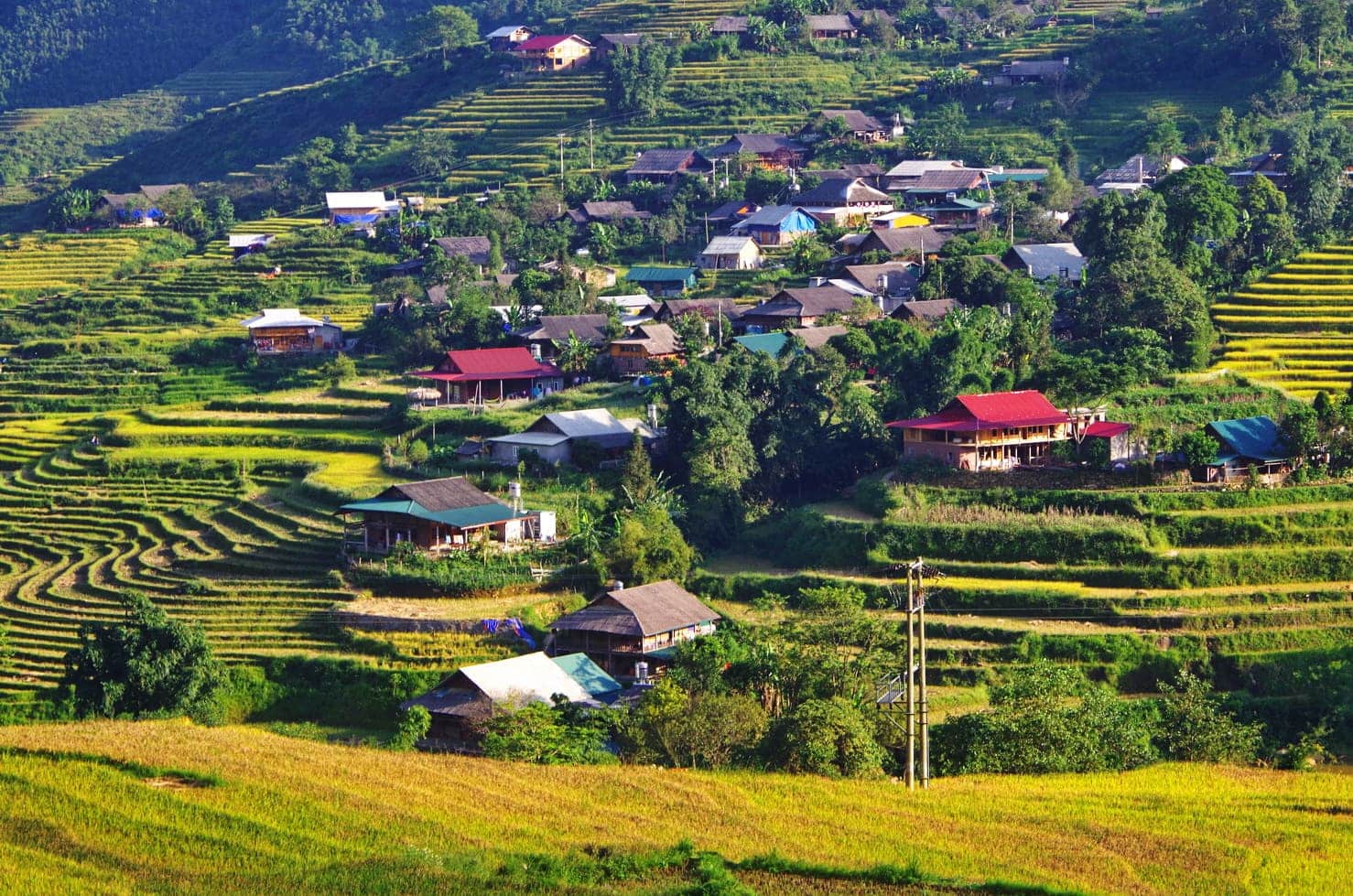 Start your journey with Sapa’s tranquil glow (Source: Internet)
Online Platforms: Book Vietnam Tours via legendtravelgroup.com or localvietnam.com ($30–$300). Provide pick-up details (e.g., Hanoi or Sapa hotels); e-tickets are acceptable, but printing is recommended.
Tour Operators: Contact Legend Travel Group for bundled tours with hotel/homestay and activities.
Direct: Hotel/homestay bookings via agencies; confirm schedules via Legend Travel Group’s support.
Eco-Tip: Use digital tickets to reduce paper waste; opt for shared transport to minimize emissions.
Tip: Book early for rice season; carry small VND notes for purchases; confirm visa requirements ($25–$50).
Pack for a comfortable, sustainable stay:
Documents: Passport (valid 6+ months), printed e-visa ($25–$50 or 625,000–1,250,000 VND if required), wallet ($5 or 125,000 VND), tour bookings.
Clothing: Modest clothing covering shoulders and knees for village visits; lightweight scarf ($1 or 25,000 VND); warm layers and raincoat ($5 or 125,000 VND) for cool/wet seasons; sturdy trekking shoes ($15 or 375,000 VND); hat ($2 or 50,000 VND).
Essentials: Reusable water bottle ($2 or 50,000 VND); snacks ($0.30–$1 or 7,500–25,000 VND, e.g., thang co); small backpack ($5 or 125,000 VND); sunscreen ($1 or 25,000 VND); insect repellent ($1 or 25,000 VND).
Tech: Phone with translation apps (e.g., Google Translate); charger ($3–$5 or 75,000–125,000 VND); local SIM ($2–$3 or 50,000–75,000 VND); camera ($50 or 1,250,000 VND) for photos.
Eco Items: Reusable tote ($1 or 25,000 VND) for purchases; phrase card ($1 or 25,000 VND) with Vietnamese basics.
Extras: Small VND notes for donations or purchases; small first aid kit ($2 or 50,000 VND); umbrella ($2 or 50,000 VND) for wet season; money belt ($2 or 50,000 VND) for valuables. Tip: Pack light (1 small bag, max 5 kg); reusable items support sustainability.
Accommodation Costs
Self-Guided Exploration: Hotel: $20–$200/night (500,000–5,000,000 VND); homestay: $10–$50/night (250,000–1,250,000 VND, often including meals).
Group Hotel Stay Tours: $50–$100/person (1,250,000–2,500,000 VND, includes hotel and activities).
Combo Homestay Tours: $30–$60/person (750,000–1,500,000 VND, includes homestay and meals).
Multi-Day Accommodation Tours: $150–$300/person (3,750,000–7,500,000 VND, includes activities).
Safety-Related Costs
Money Belt: $2 (50,000 VND).
Local SIM for Emergency Calls: $2–$3 (50,000–75,000 VND).
Travel Insurance (Recommended): $10–$30 (250,000–750,000 VND).
Other Costs
Local Snacks (e.g., thang co, men men): $0.30–$2 (7,500–50,000 VND).
Souvenirs (e.g., textiles, handicrafts): $1–$20 (25,000–500,000 VND).
Donations: $0.30–$1 (7,500–25,000 VND).
Total Daily Cost (Per Person)
Budget: $20–$50 (self-guided, snacks, transport).
Mid-range: $50–$100 (group tour, purchases).
Luxury: $100–$200 (private tour, premium souvenirs). Tip: Budget $20–$200 for tours, safety items, or transport, and $0.30–$20 for purchases or add-ons.
Accommodation Tips: Choose hotel for luxury or homestay for authenticity; book early for rice season; try ethnic cuisine like thang co in homestays.
Etiquette: Use “xin chào”; dress modestly in villages; ask permission for photos; respect homestay rules.
Access: Choose self-guided for flexibility, group tours for insights, or multi-day tours for immersion.
Schedules: Accommodations available daily; peak crowds in rice season (September–October); book early.
Sustainability: Use shared transport; carry reusable items; support local vendors with fair purchases.
Navigation: Use offline maps (Maps.me) with “Sapa” or village names for navigation.
Weather: Dry season (Sep–Apr) ideal; wet season (May–Aug) lush but rainy; check forecasts via Legend Travel Group’s assistance.
Safety Note: Secure valuables with a money belt ($2 or 50,000 VND); beware of slippery paths; carry emergency numbers (Police: 113, Medical: 115).
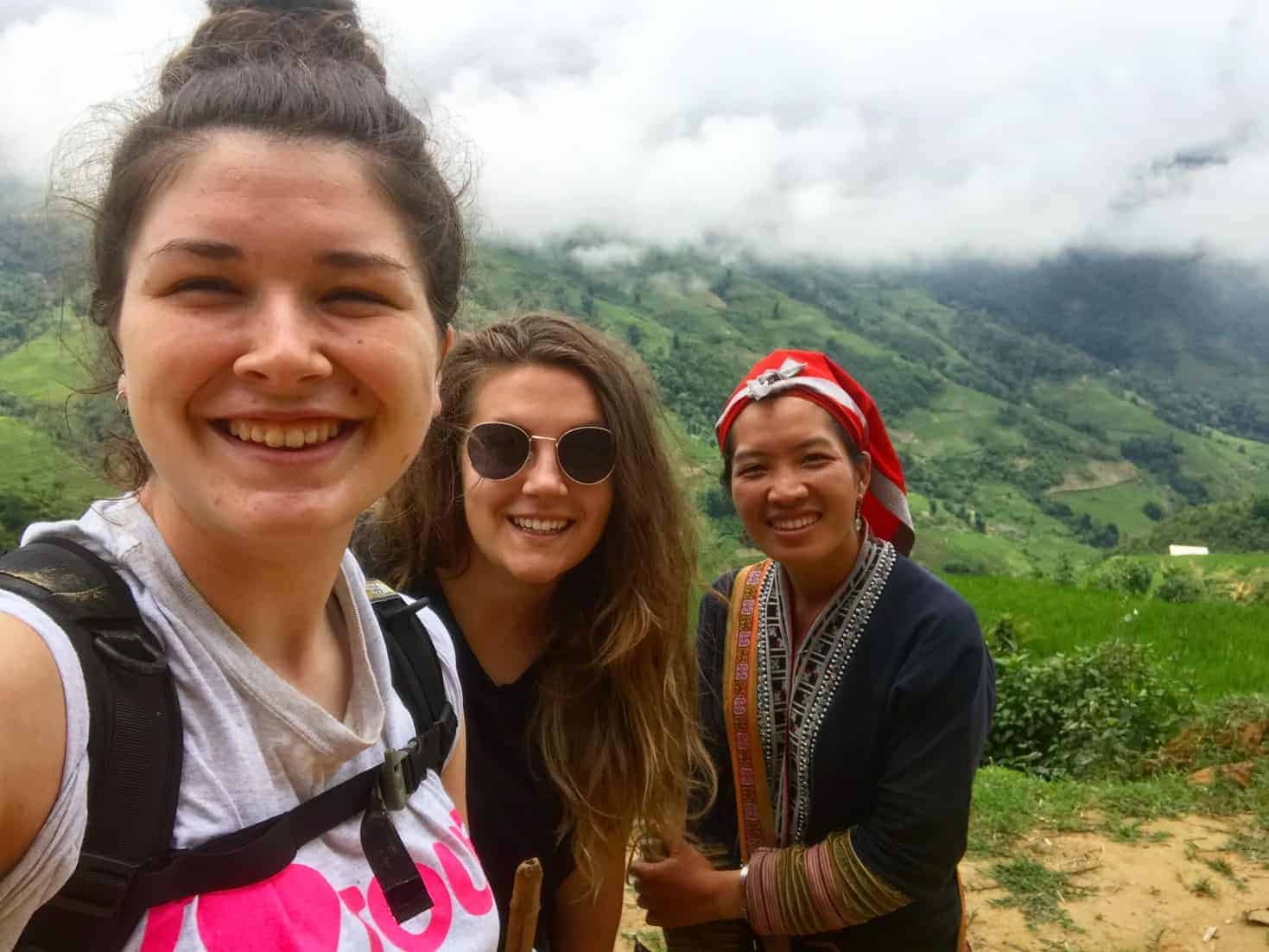 Learn Sapa’s traditions with expert guidance (Source: Internet)
Which is better: hotel or homestay in Sapa? Hotel for luxury and privacy; homestay for authentic ethnic immersion.
How much do accommodations cost in Sapa? Hotel: $20–$200/night; homestay: $10–$50/night (often including meals).
What activities are available? Trekking and markets from both; homestays offer cooking classes.
How do I book accommodations? Book via legendtravelgroup.com or local agencies; confirm schedules.
Are eco-friendly options available? Yes, Legend Travel Group’s tours use sustainable practices; check legendtravelgroup.com.
Enhance your Sapa journey with eco-conscious tours from Legend Travel Group:
Sapa Eco-Tour ($30–$60/person, 1–2 days): Guided village visit with sustainable practices.
Sapa Heritage Trail ($100–$200/person, 3–4 days): Combine hotel/homestay with low-emission transport.
Vietnam Explorer ($150–$300/person, 5–7 days): Multi-site adventure with eco-lodges and community-focused activities.
Prices include guides, transport, and fees; group discounts available. Deposit 10% and pay the rest 30 days before departure for peace of mind. Explore options at legendtravelgroup.com or contact sales@legendtravelgroup.com / WhatsApp (+84825862222) for your Vietnam Travel plans.
Comparing Stay Overnight at Hotel vs Homestay in Sapa with cultural etiquette—modest attire, polite greetings like “xin chào,” and respectful behavior—unlocks a diverse, mountainous experience in northern Vietnam. With tour costs from $20–$200, eco-friendly Vietnam Tours, and the unique vibes of luxury comfort versus authentic immersion, this trip offers adventure and culture for all travelers. Whether choosing hotel privacy or homestay warmth with Vietnam Travel, book with Legend Travel Group for flexible payments and memorable journeys. Safe travels!
Sources:
Legend Travel Group’s expertise
Internal data from Vietnam tourism