Explore Muong Hoa Valley with our Sapa travel guide! Learn cultural etiquette, costs, trekking tips, eco-friendly options, and top providers for a sustainable adventure in Sapa. Plan your journey today!
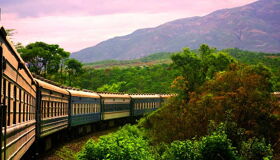
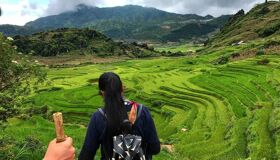
 Capture the breathtaking beauty of Sapa’s iconic valley (Source: Internet)
Written by Tony Bùi, with over 20 years of experience in the travel industry, guiding 100,000+ travelers across Southeast Asia. This guide draws from firsthand insights, guest feedback from Legend Travel Group surveys, and official sources like sunworld.vn, sapaethnic.com, vietnam.travel, north-vietnam.com, and 12go.asia. Prices and schedules based on latest data; verify before travel. Updated March 2026, reflecting Vietnam’s administrative changes (34 provinces, streamlined local governance).
=> Vietnam - 10 Days. Departure every Monday from Hanoi
=> Vietnam - 12 Days. Departure every Saturday from Hanoi
=> Vietnam and Cambodia - 12 Days. Departure every Monday from Hanoi
=> Vietnam - 10 Days. Departure every Monday from Saigon
=> Vietnam - 12 Days. Departure every Saturday from Saigon
=> Vietnam and Cambodia - 14 Days. Departure every Saturday from Hanoi
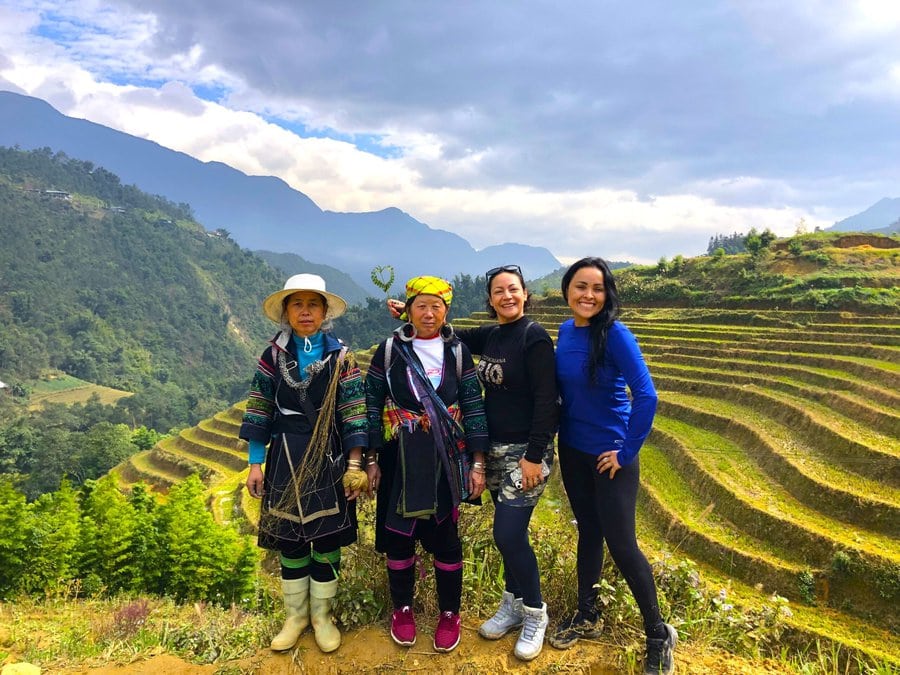 Dive into the respectful charm of Sapa Travel (Source: Internet)
Muong Hoa Valley, located in Lao Cai Province near Sapa, is a stunning destination renowned for its lush rice terraces, ethnic minority villages (e.g., H’Mong, Dzao, Giay), and cultural landmarks like ancient rock carvings. Stretching along the Muong Hoa River, the valley offers breathtaking views, trekking trails, and opportunities to engage with local communities. Visitors can explore via guided treks (1–2 days), homestays, or the Muong Hoa Funicular, which connects Sapa to the Fansipan Cable Car Station. This valley is ideal for nature lovers, culture enthusiasts, and eco-conscious travelers seeking an immersive experience. Mastering Muong Hoa Valley cultural etiquette ensures a respectful journey, perfect for those exploring Sapa’s natural and cultural wonders.
Following Vietnam’s administrative reform on July 1, 2025, Lao Cai remains a key province among the streamlined 34 provinces, enhancing transport logistics. This guide blends cultural insights, practical tips, and sustainable travel ideas for a seamless adventure.
Muong Hoa Valley is accessible daily via trekking tours, homestays, or the Muong Hoa Funicular from Sapa, with costs ranging from $5–$100 (125,000–2,500,000 VND). Located in Lao Cai Province, the journey emphasizes respectful conduct in ethnic villages and at cultural sites. Vietnam’s 2025 reform removes some district-level administration, making travel logistics smoother.
Cultural etiquette ensures a respectful and enriching visit to Muong Hoa Valley. Here’s your guide, based on current norms as of August 2025:
Greetings: Offer “xin chào” (hello) or a nod to guides, homestay hosts, or villagers; use both hands when exchanging payments or gifts to show respect.
Dress: Wear modest, comfortable clothing suitable for trekking and cool weather (10–20°C); cover shoulders and knees in villages; a lightweight scarf ($3 or 75,000 VND) aligns with local norms and protects against dust or wind.
Behavior: Speak softly in villages; avoid touching sacred sites (e.g., ancient rock carvings); ask permission before photographing locals or their homes. A guest shared: “Visiting Muong Hoa Valley was unforgettable when we respected village customs and guides.”
Customs: Funicular tickets cost $5–$10 (125,000–250,000 VND); trekking tours range from $20–$100 (500,000–2,500,000 VND); homestays cost $10–$20 (250,000–500,000 VND); tipping guides or hosts ($1–$2 or 25,000–50,000 VND) is appreciated but not mandatory; avoid littering on trails or in villages.
Tip: Say “cảm ơn” (thank you) to guides or hosts; use reusable water bottles to support eco-friendly travel. Tony Bùi notes: “In 20 years guiding, I’ve seen Muong Hoa Valley inspire travelers who respect its ethnic communities and natural beauty.”
General Tips:
Language: Carry a phrase card ($2 or 50,000 VND) for Vietnamese basics like “bao nhiêu” (how much); English-speaking guides are common on tours.
Respect: Follow village rules (e.g., no smoking in homes, remove shoes indoors); support local vendors by purchasing handicrafts; respect privacy when visiting homes.
Navigation: Treks take 4–8 hours daily; funicular rides take 5–10 minutes; download offline maps (Maps.me) with “Muong Hoa Valley, Sapa” for navigation.
Eco-Tip: Choose small-group treks or homestays to reduce environmental impact, aligning with Vietnam’s green tourism goals post-2025 reform.
Note: Etiquette reflects current norms; verify schedules via sunworld.vn.
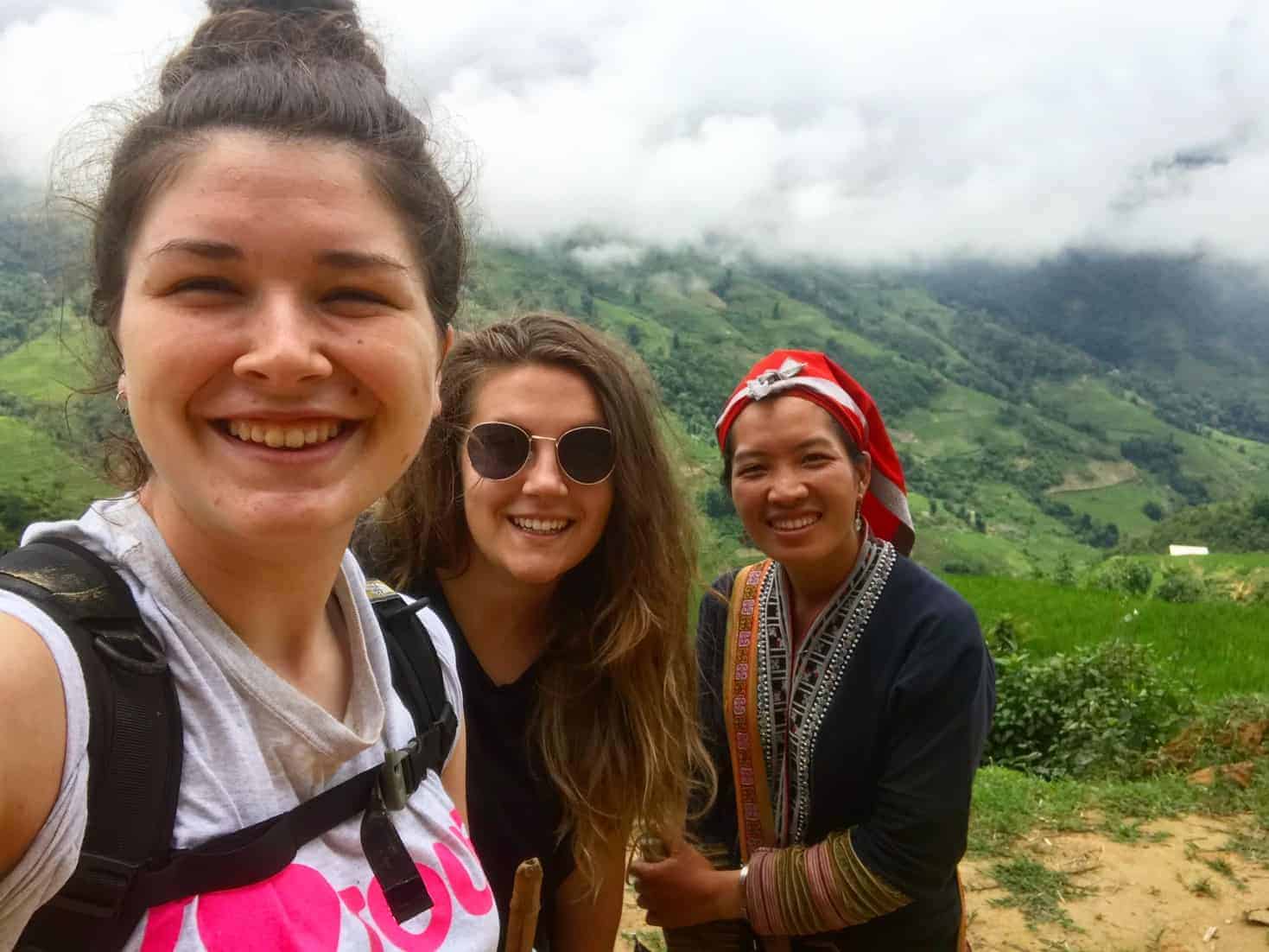 Experience Sapa Tours with sustainable valley immersion (Source: Internet)
Below is a curated list of access options for Muong Hoa Valley, including the Muong Hoa Funicular, trekking tours, and homestays, based on 2025 data from sunworld.vn, sapaethnic.com, and 12go.asia. Confirm schedules and prices before booking.
Details: Operated by Sun World, the funicular connects Sapa town (near Sun Plaza) to the Fansipan Cable Car Station, offering stunning views of Muong Hoa Valley’s rice terraces; often combined with Fansipan cable car tickets.
Schedule: Daily, 6:30 AM–5:30 PM (last departure 5:00 PM).
Cost: $5–$10 (125,000–250,000 VND, one way); combo with Fansipan cable car: $40–$45 (1,000,000–1,125,000 VND, adults), $25–$30 (625,000–750,000 VND, children 1–1.4m).
Location: Departure from Sun Plaza (Sapa town center); arrives at Fansipan Cable Car Station (1.5 km from Sapa).
Eco-Friendly Note: Funicular reduces road travel impact; Sun World supports conservation efforts.
Tip: Book via sunworld.vn or buy at Sun Plaza; arrive early to avoid crowds; a guest noted: “The funicular offered breathtaking valley views.”
Details: Guided 1–2-day treks (4–8 hours daily) through Muong Hoa Valley’s villages (e.g., Lao Chai, Ta Van); includes English-speaking guide, meals, and optional homestays; moderate difficulty.
Schedule: Daily, departs 8:00 AM–9:00 AM from Sapa; return by afternoon or next day.
Cost: $20–$50/person (500,000–1,250,000 VND, group tours); $50–$100 (1,250,000–2,500,000 VND, private tours).
Pick-up/Drop-off: Sapa (hotels or 785 Dien Bien Phu Str).
Eco-Friendly Note: Small-group treks minimize environmental impact; supports local communities.
Tip: Book via sapaethnic.com or phone (+84 979 110 111); a guest noted: “Sapa Ethnic’s trek was immersive with authentic village visits.”
Details: 1–2-day tours combining trekking (Lao Chai, Ta Van) with a funicular ride to Fansipan Cable Car Station; includes English-speaking guide, meals, and funicular tickets.
Schedule: Daily, departs 8:00 AM from Sapa; return by evening or next day.
Cost: $40–$80/person (1,000,000–2,000,000 VND).
Pick-up/Drop-off: Sapa (hotels or Sapa SSB, 494 Dien Bien Phu).
Eco-Friendly Note: Combines low-impact transport and trekking; supports local guides.
Tip: Book via legendtravelgroup.com or WhatsApp (+84 825862222); a guest noted: “Legend’s combo tour balanced adventure and comfort.”
Details: 1–2-day treks with English-speaking guides, visiting villages (e.g., Ta Phin, Cat Cat) and homestays; includes meals and cultural activities; moderate to high difficulty.
Schedule: Daily, departs 8:30 AM from Sapa; return by afternoon or next day.
Cost: $25–$60/person (625,000–1,500,000 VND).
Pick-up/Drop-off: Sapa (hotels or Sapa SSB).
Eco-Friendly Note: Homestays support local families and reduce environmental impact.
Tip: Book via localvietnam.com; a guest noted: “Local Vietnam’s homestay trek was a cultural highlight.”
Details: 1–2-day treks with English-speaking guides, visiting Muong Hoa Valley’s rice terraces and villages (e.g., Giang Ta Chai); includes meals and optional homestays; moderate difficulty.
Schedule: Daily, departs 8:00 AM from Sapa; return by evening or next day.
Cost: $20–$55/person (500,000–1,375,000 VND).
Pick-up/Drop-off: Sapa (hotels or 785 Dien Bien Phu Str).
Eco-Friendly Note: Small groups reduce environmental impact.
Tip: Book via sapanomad.com; a guest noted: “Sapa Nomad’s trek was well-organized and respectful.”
Funicular: Quick (5–10 minutes) and scenic, ideal for all ages and fitness levels; connects to Fansipan cable car.
Trekking Tours: Immersive and adventurous, perfect for exploring ethnic villages and rice terraces.
Homestays: Authentic cultural experiences, supporting local communities.
Combo Tours: Blend funicular convenience with trekking for a balanced experience.
 Start your Sapa Travel with serene mountain vibes (Source: Internet)
March to May and September to November offer pleasant weather (15–25°C), ideal for trekking or funicular rides, with clear skies and vibrant rice terraces (green in March-May, golden in September-November). Avoid June-August’s heavy rains, which make trails slippery, or December-February’s fog, which may obscure views; March or September balances comfort and fewer crowds. Sunday visits can be paired with the Bac Ha Sunday Market (95 km away, $6–$15 or 150,000–375,000 VND by shuttle bus).
Online Platforms: Book funicular tickets via sunworld.vn ($5–$10 or 125,000–250,000 VND) or trekking/homestay tours via 12go.asia, sapaethnic.com, localvietnam.com, or sapanomad.com ($20–$100). Provide pick-up details (e.g., Sapa hotels); e-tickets are acceptable, but printing is recommended.
Tour Operators: Contact agencies like Legend Travel Group for bundled trekking, homestay, and Bac Ha market tour packages.
Direct: Purchase funicular tickets at Sun Plaza (Sapa town center); book trekking tours at Sapa travel agencies (e.g., 785 Dien Bien Phu Str); book 1–2 days early for peak seasons (Tet: Jan 27–Feb 1, 2025; summer).
Eco-Tip: Choose small-group treks or homestays to minimize environmental impact.
Tip: Book funicular tickets early for weekends; confirm pick-up for trekking tours; arrive 15 minutes early at Sun Plaza or tour meeting points.
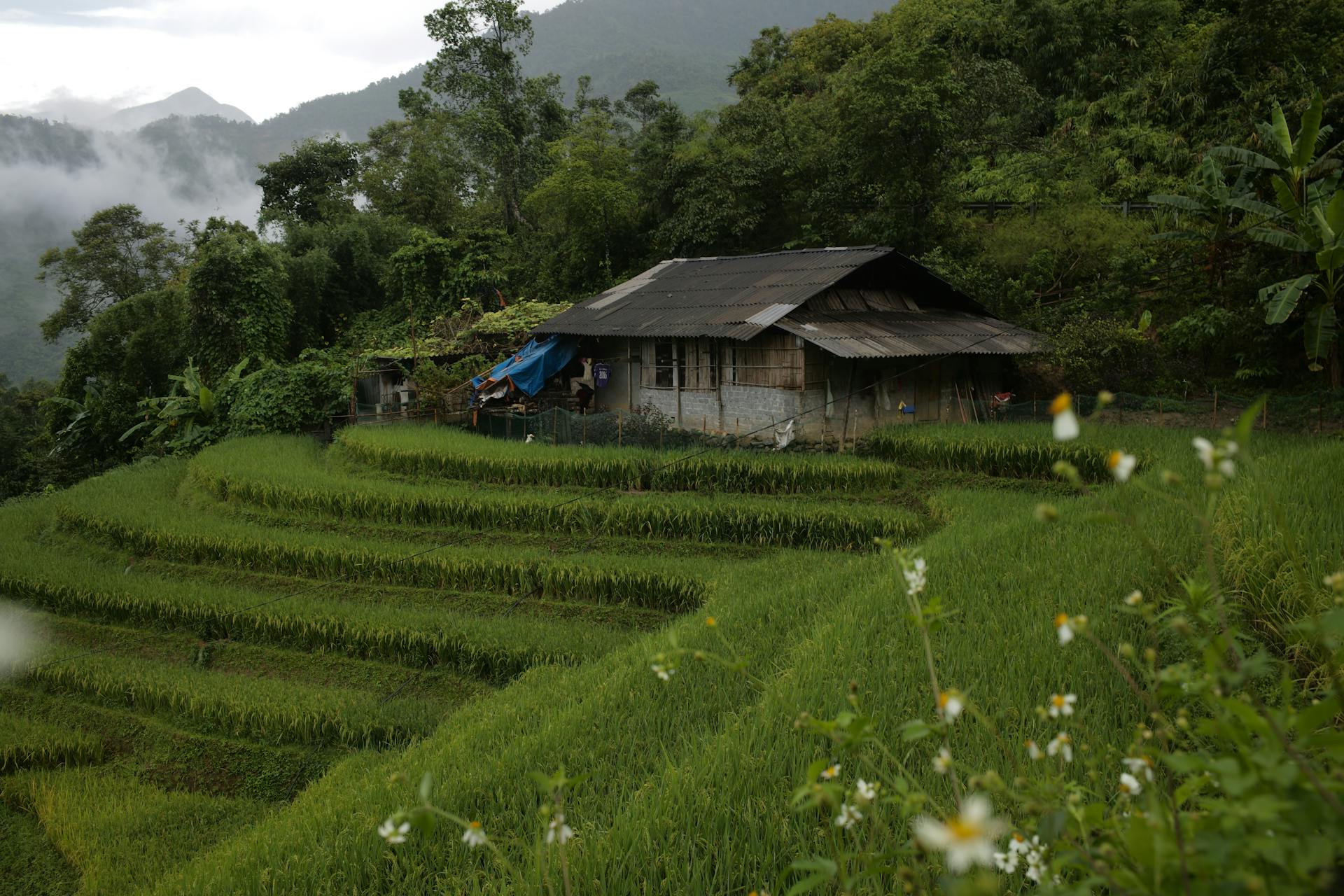 Capture the authentic charm of Sapa’s rural culture (Source: Internet)
Pack for a comfortable, sustainable journey:
Documents: Passport, Vietnam e-visa ($25–$50 or 625,000–1,250,000 VND); wallet ($5–$8 or 125,000–200,000 VND); booking confirmation.
Clothing: Comfortable trekking clothes; waterproof jacket ($10 or 250,000 VND); sturdy trekking shoes ($15 or 375,000 VND); scarf ($3 or 75,000 VND) for dust or village visits.
Essentials: Reusable water bottle ($4 or 100,000 VND); snacks ($1–$3 or 25,000–75,000 VND); small backpack ($5 or 125,000 VND); sunscreen ($3 or 75,000 VND).
Tech: Phone with translation apps; charger ($10–$15 or 250,000–375,000 VND); local SIM ($5–$7 or 125,000–175,000 VND).
Eco Items: Reusable tote ($3 or 75,000 VND); phrase card ($2 or 50,000 VND).
Extras: Small VND notes for purchases; camera ($50 or 1,250,000 VND) for rice terrace photos; first aid kit ($5 or 125,000 VND); trekking poles ($10 or 250,000 VND) for longer routes. Tip: Pack light (1 small bag, max 10 kg for treks); reusable items support sustainability.
Access Costs
Funicular: $5–$10 (125,000–250,000 VND, one way); combo with Fansipan cable car: $40–$45 (1,000,000–1,125,000 VND).
Trekking Tours: $20–$50 (500,000–1,250,000 VND, group); $50–$100 (1,250,000–2,500,000 VND, private).
Homestays: $10–$20/night (250,000–500,000 VND).
Local E-Bike/Taxi in Sapa: $1–$2 (25,000–50,000 VND).
Shuttle Bus to Bac Ha Market: $6–$15 (150,000–375,000 VND, round trip).
Activity & Dining Costs
Village Snacks: $1–$3 (25,000–75,000 VND, e.g., phở, grilled corn).
Souvenirs (e.g., H’Mong textiles): $2–$6 (50,000–150,000 VND).
Eco-Tour Add-Ons (e.g., village cultural activities): $10–$20 (250,000–500,000 VND).
Total Daily Cost (Per Person)
Budget: $15–$40 (funicular, snacks, local transport).
Mid-range: $40–$80 (trekking tour, homestay, meals).
Luxury: $80–$150 (private trek, guided tours). Tip: Budget $5–$100 for access, $1–$3 for local transport, and $1–$10 for snacks/souvenirs. Eco-tours add adventure depth.
 Begin your Sapa Tours with a golden adventure (Source: Internet)
Etiquette: Greet with “xin chào”; respect village homes (e.g., remove shoes); ask permission before photographing locals.
Access: Choose funicular for quick valley views or trekking/homestays for cultural immersion; combine with Bac Ha Market on Sundays.
Schedules: Funicular operates 6:30 AM–5:30 PM; treks depart 8:00 AM–9:00 AM; plan early starts for clear views.
Sustainability: Opt for small-group treks or homestays to minimize environmental impact.
Navigation: Confirm pick-up (e.g., Sapa hotels, Sun Plaza); use offline maps for trails or villages.
Weather: March-May or September-November ideal for clear trails; bring waterproof gear for unexpected rain.
Safety Note: Secure valuables with a money belt ($5 or 125,000 VND); wear sturdy shoes for treks; check weather for trail safety.
Cultural Note: Respect ethnic communities (e.g., H’Mong, Dzao) by asking permission before photographing and supporting local vendors.
How do I reach Muong Hoa Valley? Funicular (5–10 minutes, $5–$10) or trekking tours (1–2 days, $20–$100) from Sapa.
How much is the funicular to Muong Hoa Valley? $5–$10 (125,000–250,000 VND, one way); $40–$45 with Fansipan cable car.
How long are treks in Muong Hoa Valley? 4–8 hours daily, depending on route and fitness level.
Is photography allowed in villages? Yes, but ask permission before photographing locals or their homes.
Are eco-friendly options available? Small-group treks and homestays reduce impact; check sapaethnic.com.
How to book access to Muong Hoa Valley? Online via sunworld.vn or 12go.asia; book treks 1–2 days early.
Enhance your Muong Hoa Valley journey with eco-conscious tours from Legend Travel Group, blending cultural respect and sustainability:
Muong Hoa Valley Eco-Tour ($60–$100/person, 1 day): Guided trek through rice terraces and villages with eco-friendly practices.
Sapa-Muong Hoa Cultural Trail ($120–$180/person, 2 days): Combine Muong Hoa Valley with Cat Cat Village and Bac Ha Market using low-emission transport.
Northern Vietnam Explorer ($250–$350/person, 3 days): Multi-site adventure with eco-lodges and community-focused activities.
Prices include guides, transport, and fees; group discounts available. Explore options at legendtravelgroup.com or contact sales@legendtravelgroup.com / WhatsApp +84825862222.
Visiting Muong Hoa Valley with cultural etiquette—modest attire, polite greetings like “xin chào,” and respectful behavior—unlocks a scenic, cultural journey through Sapa’s rice terraces and ethnic villages. With access costs from $5–$100, eco-friendly options like small-group treks and homestays, and nearby attractions like Bac Ha Market, this trip offers immersion and sustainability. Legend Travel Group’s Sapa Tours guide you through this stunning valley, ensuring a sustainable Sapa Travel experience that respects H’Mong, Dao, and Giay traditions while supporting local communities. Whether choosing the funicular or a guided trek, prioritize respect and book early for peak seasons. For more guides, check trusted resources like vietnam.travel. Don’t miss out—browse our featured tours and book your Muong Hoa Valley adventure today!
Ready to visit Muong Hoa Valley in Sapa? Reserve your sustainable tour with Legend Travel Group and embark on an unforgettable cultural adventure!