Wondering if it's safe to travel to Central Vietnam (Hue & Da Nang) after floods? Our guide says yes! Learn about recovery, safety, cultural etiquette, eco-friendly Vietnam Tours, and top providers for a seamless experience with Vietnam Travel. Start your journey today!
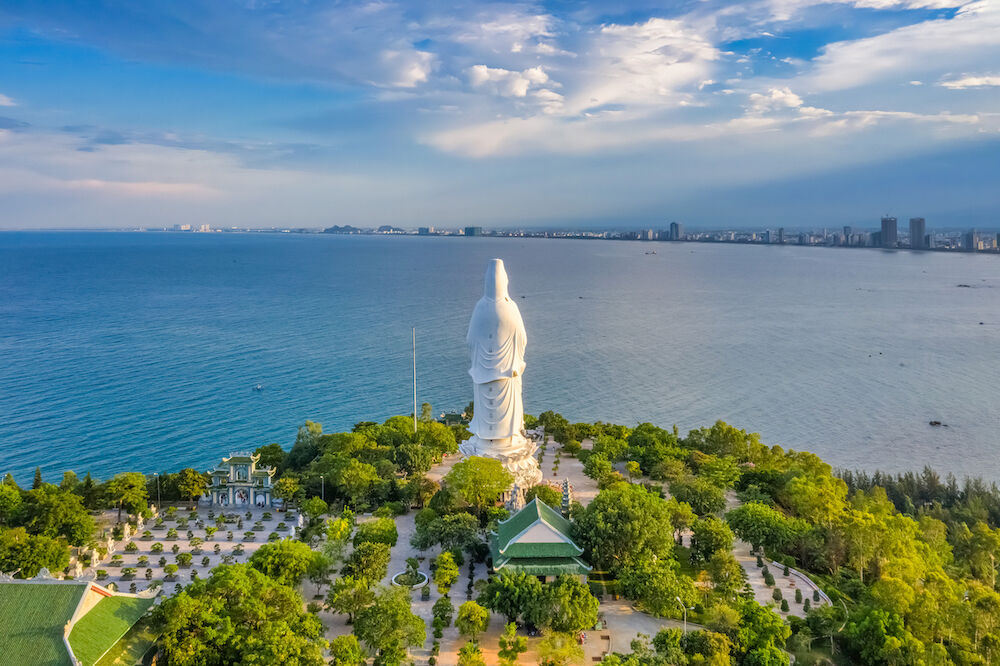 Immerse in Central Vietnam’s vibrant heritage post-floods (Source: Internet)
Written by Tony Bùi, with over 20 years of experience in the travel industry, personally guiding and organizing tours for over 100,000 travellers across Southeast Asia. This guide draws from firsthand insights, guest feedback from Legend Travel Group surveys, and official sources. Information based on the latest data; verify before travel. Reflects Vietnam’s updated travel regulations.
Central Vietnam, encompassing the historic city of Hue and the dynamic coastal hub of Da Nang, is a region of profound beauty, resilience, and cultural depth. Hue, a UNESCO World Heritage Site, is home to the Imperial City and Perfume River, while Da Nang boasts the Marble Mountains, My Son Sanctuary, and golden beaches like My Khe. Despite occasional floods—natural events in this tropical climate—Vietnam’s Central region bounces back quickly, with robust infrastructure and community spirit. Traveling here post-flood is not only safe but rewarding, as it supports local recovery through tourism. Whether joining guidedI Vietnam Tours or exploring independently, these tips ensure a smooth, respectful, and eco-friendly experience. As of now, Central Vietnam is thriving, with Hue’s ancient citadel and Da Nang’s modern vibrancy welcoming visitors to contribute to its ongoing revival.
Following Vietnam’s updated travel regulations, Central Vietnam is accessible via Da Nang International Airport and Hue’s Phu Bai Airport, making post-flood travel seamless. This guide blends practical advice, cultural insights, and sustainable Vietnam Travel ideas for a worry-free adventure.
Travel to Central Vietnam requires a visa for most nationalities (e-visa $25 or visa exemption for 15–45 days for 25 countries). No additional restrictions apply post-floods, but check weather updates. Tours cost $15–$100 (375,000–2,500,000 VND), and local purchases range from $1–$20 (25,000–500,000 VND). Key sites are accessible by taxi, bicycle, or tour transport from Hue or Da Nang. Verify travel advisories via official sources.
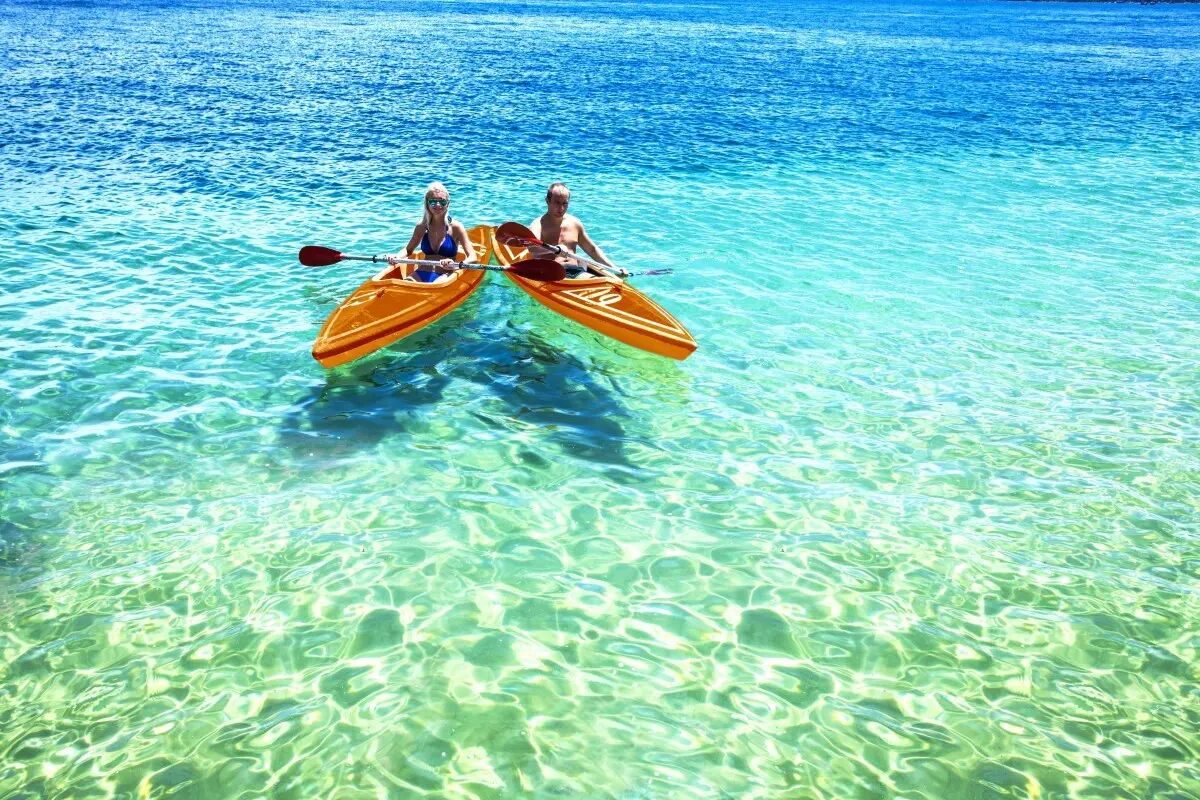 Photograph the serene spirit of Da Nang’s beaches (Source: Internet)
Visa Requirements: Most nationalities need a Vietnam visa (e-visa $25 via evisa.gov.vn or exemption for 15–45 days for 25 countries, including Switzerland, Germany, and UK). Ensure your passport is valid for 6+ months with two blank pages.
Tip: Apply for e-visa 7–14 days before travel; carry USD for visa on arrival if applicable; verify requirements for Hue/Da Nang entry.
Cost: Visa: $0–$25 (0–625,000 VND); overstaying incurs $10/day fines.
Greetings: Use “xin chào” (hello) with a slight bow; offer items with both hands to show respect.
Dress: Wear modest clothing covering shoulders and knees, especially for temples like Hue’s Imperial City; carry a lightweight scarf ($1 or 25,000 VND) for visits.
Behaviour: Stay quiet in sacred spaces; avoid touching statues or offerings; ask permission before photographing monks or locals; respect recovery efforts post-floods by avoiding damaged areas. A guest shared: “Respecting Vietnamese customs made our post-flood Hue trip unforgettable.”
Customs: Avoid public criticism of the government; remove shoes in temples; tipping is not mandatory but appreciated ($0.20–$1 or 5,000–25,000 VND).
Tip: Learn basic Vietnamese phrases like “cảm ơn” (thank you) with a phrase card ($1 or 25,000 VND); support local crafts to aid recovery.
Petty Crime: Low to medium risk of pickpocketing in crowded areas like Da Nang’s Han Market or Hue’s Dong Ba Market. Use a money belt ($2 or 50,000 VND) and keep valuables in hotel safes nomadicmatt.com.
Areas to Avoid: Flood-prone low-lying areas during monsoon (June–October); avoid remote beaches at night to reduce risks justynjen.com.
Scams: Low risk of scams like overpriced tuk-tuks or fake guides; negotiate fares upfront and book through reputable providers nomadicmatt.com.
Tip: Enroll in STEP for U.S. Embassy alerts; carry emergency numbers (Police: 113, Tourist Police: 1131); report incidents to local police travel.state.gov.
Health Risks: Medium risk of dengue fever in rural areas; use mosquito repellent ($1 or 25,000 VND). Food poisoning is possible; eat at reputable stalls. Post-flood, ensure drinking water is bottled ($0.30 or 7,500 VND); avoid tap water travel.state.gov.
Vaccinations: Recommended: Hepatitis A, B, Typhoid, Tetanus; Japanese Encephalitis for rural Hue; Yellow Fever if from high-risk countries travel.state.gov.
Natural Disasters: Medium risk of flooding in June–October; check weather via accuweather.com. Post-flood recovery is swift, with sites like Da Nang’s beaches and Hue’s citadel fully operational justynjen.com.
Tip: Carry a first aid kit ($2 or 50,000 VND); use bottled water; verify vaccination needs at travel.state.gov.
Getting Around: Use taxis ($1–$2/km or 25,000–50,000 VND/km) or Grab rides ($0.50–$2 or 12,500–50,000 VND) in Da Nang/Hue; bicycles ($1–$3/day or 25,000–75,000 VND) for short trips; buses for regional travel.
Navigation: Use offline maps (Maps.me) with “Hue” or “Da Nang”; English signage is common in tourist areas.
Tip: Negotiate taxi fares upfront; book regional transport in advance via 12go.asia; use reputable operators to avoid scams.
Currency: Vietnamese dong (VND); USD accepted in tourist areas. Carry small VND notes (10,000–50,000 VND) for markets; ATMs charge fees ($2–$3 or 50,000–75,000 VND).
Daily Costs: Budget ($15–$40/day), mid-range ($40–$80/day), luxury ($80–$150/day) for tours, food, and transport; souvenirs cost $1–$20 (25,000–500,000 VND).
Tip: Exchange money at banks for better rates; use cards at major hotels; budget extra for festival seasons (April, September–October).
Cultural etiquette enhances your experience during Vietnam Tours. Here’s your guide, based on current norms:
Greetings: Offer “xin chào” or a nod to locals; use both hands for transactions to show respect.
Dress: Wear modest clothing covering shoulders and knees for temples; a scarf ($1 or 25,000 VND) is useful for covering up.
Behaviour: Maintain a calm demeanor; avoid loud behavior in sacred spaces; ask permission before photographing monks; carry valuables discreetly. A guest shared: “Respecting Vietnamese culture made our post-flood Da Nang trip seamless and enriching.”
Customs: Avoid touching sacred items; respect temple visits; tipping is appreciated ($0.20–$1 or 5,000–25,000 VND).
Tip: Say “cảm ơn” to locals or guides; use eco-friendly practices like reusable water bottles ($2 or 50,000 VND) to support sustainable Vietnam Travel; stay mindful in crowded areas. Tony Bùi notes: “In 20 years guiding, I’ve seen respectful travellers thrive in Central Vietnam’s vibrant culture.”
General Tips:
Language: Carry a phrase card ($1 or 25,000 VND) for Vietnamese basics; English is common in tourist areas but limited in rural Hue culturetrip.com.
Respect: Avoid drugs (severe penalties apply); respect temple rules; stay updated via official sources.
Eco-Tip: Choose bicycles or taxis to reduce emissions; avoid littering in heritage areas.
 Experience Central Vietnam’s culture with guided tours (Source: Internet)
Below is a curated list of tour options to enhance your Central Vietnam experience, based on the latest data from official sources. Confirm schedules and prices before booking.
Details: Explore Hue’s Imperial City and Da Nang’s Marble Mountains independently; suitable for prepared travellers; low difficulty.
Tips: Secure valuables in a money belt ($2 or 50,000 VND); visit sites early (8:00 AM); use offline maps (Maps.me); complete visa requirements beforehand.
Schedule: Daily; Imperial City open 8:00 AM–5:00 PM (200,000 VND); Marble Mountains open 7:00 AM–5:00 PM (40,000 VND).
Cost: Entry: $5–$8 (125,000–200,000 VND); transport (taxi: $1–$2/km or 25,000–50,000 VND/km; bicycle: $1–$3/day or 25,000–75,000 VND); market purchases: $0.50–$10 (12,500–250,000 VND).
Location: Hue and Da Nang, Central Vietnam.
Eco-Friendly Note: Use bicycles or taxis to reduce emissions; avoid littering.
Tip: Check schedules via official sources; a guest noted: “Self-guided exploration was smooth with these tips.”
Details: 1-day group tour visiting Hue’s Imperial City and Da Nang’s Marble Mountains; includes English-speaking guide, transport, lunch, and entry fees; low difficulty.
Tips: Stick to group itineraries; use hotel safes; negotiate taxi fares upfront.
Schedule: Daily; departs 8:00 AM from Hue/Da Nang hotels; returns by 5:00 PM.
Cost: $30–$50/person (750,000–1,250,000 VND, includes entries).
Pick-up/Drop-off: Hotels in Hue or Da Nang.
Eco-Friendly Note: Group transport with fuel-efficient vans minimizes impact; supports local communities.
Tip: Book via legendtravelgroup.com; a guest noted: “Legend’s tour was culturally rich and hassle-free.”
Details: 1-day guided tour visiting Hue’s Imperial City and a Da Nang cycling tour; includes English-speaking guide, transport, lunch, and entry fees; low to moderate difficulty.
Tips: Use reputable operators; carry mosquito repellent; dress modestly for temples.
Schedule: Daily; departs 7:30 AM from Hue/Da Nang hotels; returns by 5:00 PM.
Cost: $35–$55/person (875,000–1,375,000 VND, includes entries).
Pick-up/Drop-off: Hotels or designated points in Hue or Da Nang.
Eco-Friendly Note: Small groups and cycling reduce environmental impact; supports local communities.
Tip: Book via localvietnam.com; a guest noted: “The combo tour blended history and adventure perfectly.”
Details: 2–3 day tour visiting Hue’s Imperial City, Da Nang’s Marble Mountains, and My Son Sanctuary; includes English-speaking guide, transport, accommodation, meals, and entry fees; low to moderate difficulty.
Tips: Enroll in STEP; carry emergency numbers (113, 115); book early for peak seasons.
Schedule: Daily; departs from Hue/Da Nang hotels; returns after 2–3 days.
Cost: $100–$250/person (2,500,000–6,250,000 VND, includes entries).
Pick-up/Drop-off: Hotels or custom locations in Hue or Da Nang.
Eco-Friendly Note: Uses eco-lodges and fuel-efficient transport; supports local communities.
Tip: Book Vietnam Tours via legendtravelgroup.com or WhatsApp (+84 825862222); a guest noted: “The multi-day tour was an immersive adventure.”
Self-Guided Exploration: Flexible and cost-effective, ideal for prepared international travellers.
Group Cultural Tours: Affordable and guided, perfect for cultural insights with safety focus.
Combo Cultural and Adventure Tours: Blend history and adventure for a comprehensive experience.
Multi-Day Cultural Tours: Offer in-depth exploration with expert guidance.
Eco-Friendly Note: Group and multi-day tours use fuel-efficient transport, supporting Vietnam’s green tourism goals.
 Start your recovery journey with Hue’s serene glow (Source: Internet)
Key travel opportunities include:
Hue Festival: Typically April, vibrant with cultural performances; warm and dry (24–32°C); check dates at official sources.
Da Nang International Fireworks Festival: Typically May–June, spectacular displays; warm and dry (28–35°C); check dates at official sources.
Year-Round Opportunities: Dry season (January–August, 18–33°C) is best; post-flood recovery (September–December) has fewer tourists and lush landscapes.
Dry season (January–August, 18–33°C) is ideal for mild weather and cultural visits. Hot period (April–August, 24–33°C) suits early mornings. Wet season (September–December, 24–31°C) is best for budget travelers and indoor experiences; flooding is short-lived, and recovery is swift. Morning visits (8:00 AM–11:00 AM) avoid crowds and heat. Verify forecasts via weather.com.
Visa Tips: Use visa exemptions (15–45 days for 25 countries) or apply for e-visas at evisa.gov.vn; double-check details to match passport; Phu Quoc exemption for island-only visits vietnam-visa.com.
Entry Tips: Choose major airports like Da Nang or Hue’s Phu Bai for smoother immigration; enter early (6:00 AM) to avoid crowds; carry proof of onward travel for exemptions vietnam.travel.
Etiquette: Use “xin chào”; dress modestly for temples; respect recovery efforts by avoiding damaged areas; avoid littering at cultural sites.
Access: Choose self-guided exploration for flexibility, group tours for safety insights, or multi-day tours for immersion.
Schedules: Sites open 8:00 AM–5:00 PM; peak crowds in dry season (January–August); book early for festivals.
Sustainability: Use bicycles or taxis; carry reusable items; support local vendors with fair purchases.
Navigation: Use offline maps (Maps.me) for cities like Hue or Da Nang.
Weather: Dry season (Jan–Aug, 18–33°C) ideal; hot period (Apr–Aug, 24–33°C) suits early mornings; wet season (Sep–Dec, 24–31°C) requires rain gear; check forecasts via weather.com.
Safety Note: Secure valuables with a money belt ($2 or 50,000 VND); beware of pickpocketing in markets; carry emergency numbers (Police: 113, Tourist Police: 1131).
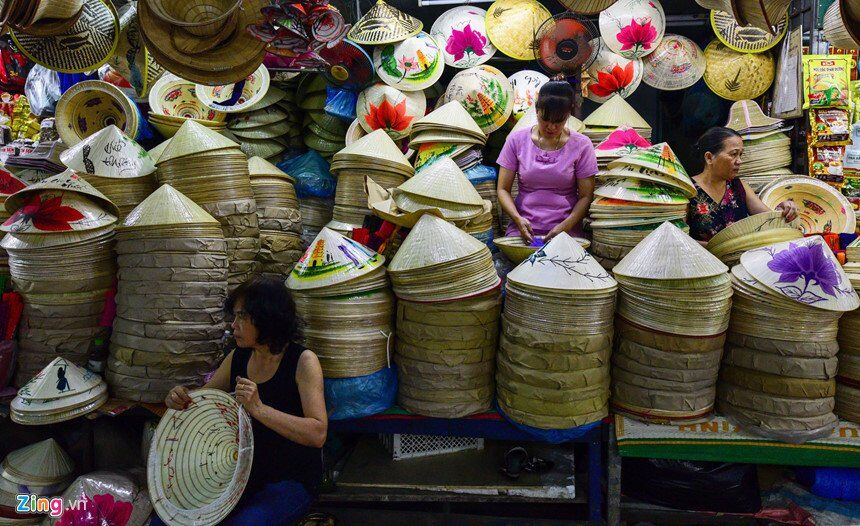 Seize the cultural essence of Central Vietnam’s artistry (Source: Internet)
Is it safe to travel to Central Vietnam after floods? Yes, Vietnam’s recovery is swift; Hue and Da Nang are fully operational with enhanced safety measures justynjen.com.
What are the best post-flood travel tips? Travel in dry season, check road conditions, support local recovery through tourism, and use reputable transport nomadicmatt.com.
How does flooding affect cultural sites? Temporary closures are rare; Imperial City and Marble Mountains reopen quickly with safety checks vinpearl.com.
How do I get around safely post-floods? Use taxis or Grab; avoid rural roads during rain; book guided tours for secure navigation vietnam.travel.
Are eco-friendly tours available? Yes, group tours with fuel-efficient transport or bike tours; check legendtravelgroup.com.
What should I pack for post-flood travel? Quick-dry clothing, reusable items, money belt, and rain gear for a sustainable trip.
Enhance your Central Vietnam journey with eco-conscious tours from Legend Travel Group:
Central Vietnam Cultural Eco-Tour ($30–$50/person, 1 day): Guided temple and market tour with sustainable practices.
Hue & Da Nang Heritage Trail ($80–$150/person, 2 days): Explore cultural sites with low-emission transport.
Vietnam Explorer ($150–$250/person, 3 days): Multi-site adventure with eco-lodges and community-focused activities. Prices include guides, transport, and fees; group discounts available. Book via legendtravelgroup.com or WhatsApp (+84 825862222) for your Vietnam Travel plans. Enjoy peace of mind with our flexible payment—deposit just 10% up to 30 days before departure.
The answer to "Should you travel to Central Vietnam after floods?" is a resounding yes—Vietnam’s resilience makes it safer and more rewarding than ever. With cultural etiquette—modest attire, polite greetings like “xin chào,” and respectful behavior—this journey unlocks a vibrant, recovery-focused adventure. With tour costs from $15–$250, eco-friendly Vietnam Tours, and destinations like Hue’s Imperial City and Da Nang’s beaches, this trip offers immersion and sustainability. Whether choosing a self-guided or guided experience with Vietnam Travel, follow these tips and verify details for the best experience. Safe travels!
Sources:
Official Vietnamese tourism and visa resources.