Explore Hau Thao Village in Sapa with our 2025 guide! Learn cultural etiquette, costs, trekking tips, eco-friendly options, and top providers for a sustainable adventure. Plan your cultural Sapa journey today!

Author Bio: Written by Tony Bùi, with over 20 years of experience in the travel industry, guiding 1000+ travelers across Southeast Asia. This guide draws from firsthand insights, guest feedback from Legend Travel Group surveys, and official sources like asiatouradvisor.com, sapatrails.com, tripadvisor.com, localvietnam.com, and vietnam.travel. Prices and schedules based on latest data as of August 2025; verify before travel. Reflects Vietnam’s administrative changes (34 provinces, streamlined local governance).
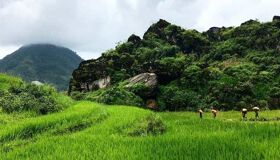
Hau Thao Village, located 10–12 km southeast of Sapa in Lao Cai Province, is a tranquil Black H’Mong village nestled in the Muong Hoa Valley. Renowned for its terraced rice fields, traditional wooden stilt houses, and rich cultural heritage, it offers an authentic glimpse into H’Mong traditions, including unique marriage customs, indigo dyeing, and rice farming practices. Surrounded by lush greenery and the Hoang Lien Son mountains, it’s less touristy than Cat Cat or Ta Van villages, making it ideal for culture enthusiasts, nature lovers, and eco-conscious travelers. Accessible via trekking, motorbike, or guided tours, Hau Thao is perfect for immersive hikes and homestays. Mastering Hau Thao Village cultural etiquette ensures a respectful journey, enhancing this serene Sapa adventure.
Following Vietnam’s administrative reform on July 1, 2025, Lao Cai remains a key province among the streamlined 34 provinces, enhancing transport logistics. This guide blends cultural insights, practical tips, and sustainable travel ideas for a seamless visit.
Hau Thao Village is accessible daily, with entry fees of $0.80 (20,000 VND) and tour costs ranging from $10–$80 (250,000–2,000,000 VND). Located in Hau Thao Commune, Lao Cai Province, visits emphasize respectful conduct in H’Mong communities and on trails. Vietnam’s 2025 reform removes some district-level administration, making travel logistics smoother.
Cultural etiquette ensures a respectful and enriching visit to Hau Thao Village. Here’s your guide, based on current norms as of August 2025:
Greetings: Offer “xin chào” (hello) or a nod to villagers, guides, or vendors; use both hands when exchanging payments or handicrafts to show respect.
Dress: Wear modest, comfortable clothing suitable for trekking and cool weather (10–20°C); cover shoulders and knees in homes or cultural sites; a lightweight scarf ($3 or 75,000 VND) aligns with H’Mong norms and protects against dust or wind.
Behavior: Speak softly in the village; avoid entering homes without invitation; ask permission before photographing locals or their property; respect traditional practices like indigo dyeing or rice field work; avoid stepping on rice terraces to prevent crop damage. A guest shared: “Visiting Hau Thao was unforgettable when we respected H’Mong customs and preserved the fields.”
Customs: Entry fee is $0.80 (20,000 VND); guided tours cost $10–$80 (250,000–2,000,000 VND); homestays cost $10–$20 (250,000–500,000 VND); tipping guides or hosts ($1–$2 or 25,000–50,000 VND) is appreciated but not mandatory; avoid littering on trails or in villages.
Tip: Say “cảm ơn” (thank you) to guides or hosts; use reusable water bottles to support eco-friendly travel. Tony Bùi notes: “In 20 years guiding, I’ve seen Hau Thao Village inspire travelers who respect its H’Mong heritage and serene landscapes.”
General Tips:
Language: Carry a phrase card ($2 or 50,000 VND) for Vietnamese basics like “bao nhiêu” (how much); English-speaking guides are common on tours, but villagers may speak limited English.
Respect: Follow village rules (e.g., no smoking in homes, remove shoes indoors); support local vendors by purchasing textiles or jewelry; respect privacy during cultural activities like H’Mong New Year (late December–early January).
Navigation: The village is 10–12 km from Sapa (2–3-hour trek or 20–30-minute motorbike/taxi); download offline maps (Maps.me) with “Hau Thao Village, Sapa” for navigation.
Eco-Tip: Choose trekking, homestays, or fuel-efficient transport to reduce environmental impact, aligning with Vietnam’s green tourism goals post-2025 reform.
Note: Etiquette reflects current norms; verify entry fees via sapaethnic.com.
Below is a curated list of access options for Hau Thao Village, including trekking, homestays, and local transport, based on 2025 data from asiatouradvisor.com, sapatrails.com, tripadvisor.com, and 12go.asia. Confirm schedules and prices before booking.
Details: Trek 10–12 km from Sapa to Hau Thao via Muong Hoa Valley, passing rice terraces and H’Mong homes; low to moderate difficulty, suitable for fit travelers.
Schedule: Daily, start 7:00 AM–9:00 AM to arrive by 9:00 AM–11:00 AM; 2–3 hours one way.
Cost: Entry fee: $0.80 (20,000 VND, adults); $0.40 (10,000 VND, children under 1.2m).
Location: Hau Thao Village (Hau Thao Commune, 10–12 km from Sapa).
Eco-Friendly Note: Trekking reduces emissions; stick to marked trails to avoid damaging crops.
Tip: Pay entry fee at the village gate (cash only); carry offline maps; a guest noted: “Trekking to Hau Thao was scenic and authentic.”
Details: 1-day guided trek (5–7 hours) to Hau Thao, often including Sa Seng or Hang Da villages; visits H’Mong homes and rice fields; includes English-speaking guide, entry fee, and lunch; moderate difficulty.
Schedule: Daily, departs 8:30 AM from Sapa; returns by 3:00 PM–4:00 PM.
Cost: $15–$25/person (375,000–625,000 VND, group); $30–$50 (750,000–1,250,000 VND, private).
Pick-up/Drop-off: Sapa (hotels or 785 Dien Bien Phu Str).
Eco-Friendly Note: Small-group treks minimize environmental impact; supports local communities.
Tip: Book via sapaethnic.com or phone (+84 979 110 111); a guest noted: “Sapa Ethnic’s trek was culturally rich and well-guided.”
Details: 1–2-day tour combining trekking to Hau Thao with homestays; includes English-speaking guide, entry fee, meals, and cultural activities (e.g., indigo dyeing); moderate difficulty.
Schedule: Daily, departs 8:00 AM from Sapa; returns by afternoon or next day.
Cost: $25–$50/person (625,000–1,250,000 VND).
Pick-up/Drop-off: Sapa (hotels or Sapa SSB, 494 Dien Bien Phu).
Eco-Friendly Note: Homestays support local families; small groups reduce impact.
Tip: Book via legendtravelgroup.com or WhatsApp (+84 825862222); a guest noted: “Legend’s homestay tour was a cultural highlight.”
Details: 1-day trek (5–7 hours) with English-speaking guide, visiting Hau Thao and Muong Hoa Valley; includes entry fee and lunch; moderate difficulty.
Schedule: Daily, departs 8:30 AM from Sapa; returns by 3:00 PM–4:00 PM.
Cost: $15–$30/person (375,000–750,000 VND).
Pick-up/Drop-off: Sapa (hotels or Sapa SSB).
Eco-Friendly Note: Small groups reduce environmental impact.
Tip: Book via localvietnam.com; a guest noted: “Local Vietnam’s tour offered deep H’Mong cultural insights.”
Details: Rent a motorbike or take a taxi from Sapa to Hau Thao (10–12 km); self-guided exploration of the village, rice terraces, and cultural sites.
Schedule: 24/7, on-demand; travel time 20–30 minutes.
Cost: Motorbike rental: $5–$15/day (125,000–375,000 VND); taxi: $8–$15 (200,000–375,000 VND, round trip); entry fee: $0.80 (20,000 VND).
Pick-up/Drop-off: Sapa (hotels or town center); Hau Thao Village entrance.
Eco-Friendly Note: Fuel-efficient motorbikes reduce emissions; taxis for groups minimize impact.
Tip: Rent motorbikes via Sapa agencies (e.g., 144 Thach Son Str); book taxis via Mai Linh (+84 203 628 2828); a guest noted: “Motorbiking to Hau Thao was quick and scenic.”
Self-Guided Trekking: Free (except entry fee) and immersive, ideal for fit adventurers seeking authenticity.
Guided Trekking Tours: Informative, offering insights into H’Mong traditions and rice farming.
Homestays: Authentic experiences, supporting local families through overnight stays and cultural activities.
Local Transport: Quick and flexible (motorbikes), eco-friendly for solo or small groups; taxis suit families.
Note: Self-driving motorbikes requires an International Driving Permit (IDP); novice riders should avoid due to mountainous terrain.
September to October is ideal, when rice terraces turn golden during the harvest season, offering stunning views and pleasant weather (15–25°C). March to May provides lush green fields and clear skies, while June to August brings heavy rains, making trails slippery; December to February is colder (5–15°C) with potential fog or snow. September balances vibrant colors and comfort for photography and trekking. The H’Mong New Year (late December–early January) adds cultural vibrancy. Sundays can be paired with the Bac Ha Sunday Market (95 km away, $6–$15 or 150,000–375,000 VND by shuttle bus).
Online Platforms: Book guided tours or homestays via 12go.asia, sapaethnic.com, localvietnam.com, or legendtravelgroup.com ($10–$80). Provide pick-up details (e.g., Sapa hotels); e-tickets are acceptable, but printing is recommended.
Tour Operators: Contact agencies like Legend Travel Group for bundled tours with Hau Thao, Lao Chai, or Bac Ha Market.
Direct: Purchase entry tickets ($0.80 or 20,000 VND, cash only) at the village gate; book tours, homestays, or rent motorbikes at Sapa travel agencies (e.g., 785 Dien Bien Phu Str); book taxis via vncarrentals.com; book 1–2 days early for peak seasons (Tet: Jan 27–Feb 1, 2025; September–October).
Eco-Tip: Choose trekking, homestays, or fuel-efficient motorbikes to minimize environmental impact.
Tip: Book tours early for weekends or harvest season; confirm pick-up (e.g., Sapa hotels); pay entry fee in cash at the village; arrive by 8:00 AM for quieter trails.
Pack for a comfortable, sustainable visit:
Documents: Passport, Vietnam e-visa ($25–$50 or 625,000–1,250,000 VND); International Driving Permit for motorbikes ($20–$50 or 500,000–1,250,000 VND); wallet ($5–$8 or 125,000–200,000 VND); booking confirmation for tours.
Clothing: Comfortable trekking clothes; waterproof jacket ($10 or 250,000 VND); sturdy walking shoes ($10 or 250,000 VND); scarf ($3 or 75,000 VND) for dust or village visits; helmet ($5 or 125,000 VND) for motorbikes.
Essentials: Reusable water bottle ($4 or 100,000 VND); snacks ($1–$3 or 25,000–75,000 VND, e.g., local rice cakes); small backpack ($5 or 125,000 VND); sunscreen ($3 or 75,000 VND).
Tech: Phone with translation apps; charger ($10–$15 or 250,000–375,000 VND); local SIM ($5–$7 or 125,000–175,000 VND).
Eco Items: Reusable tote ($3 or 75,000 VND) for handicraft purchases; phrase card ($2 or 50,000 VND).
Extras: Small VND notes for entry fees or souvenirs; camera ($50 or 1,250,000 VND) for terrace and village photos; small first aid kit ($5 or 125,000 VND). Tip: Pack light (1 small bag, max 10 kg for treks); reusable items support sustainability.
Access Costs
Entry Fee: $0.80 (20,000 VND, adults); $0.40 (10,000 VND, children).
Guided Trekking Tours: $15–$25 (375,000–625,000 VND, group); $30–$50 (750,000–1,250,000 VND, private).
Homestays: $10–$20/night (250,000–500,000 VND).
Motorbike/Taxi from Sapa: $5–$15 (125,000–375,000 VND).
Shuttle Bus to Bac Ha Market: $6–$15 (150,000–375,000 VND, round trip).
Activity & Dining Costs
Village Snacks: $1–$3 (25,000–75,000 VND, e.g., grilled pork, sticky rice).
Souvenirs (e.g., H’Mong textiles, jewelry): $2–$6 (50,000–150,000 VND).
Eco-Tour Add-Ons (e.g., indigo dyeing workshops): $5–$10 (125,000–250,000 VND).
Total Daily Cost (Per Person)
Budget: $7–$15 (entry fee, motorbike, snacks).
Mid-range: $20–$40 (guided tour, homestay, meals).
Luxury: $40–$80 (private tour, combo activities). Tip: Budget $0.80–$50 for access, $5–$15 for transport, and $1–$10 for snacks/souvenirs. Eco-tours add adventure depth.
Etiquette: Greet with “xin chào”; respect H’Mong homes (e.g., remove shoes); ask permission before photographing locals; avoid stepping on rice terraces; respect cultural events like H’Mong New Year.
Access: Choose trekking for immersion, homestays for authenticity, or motorbikes for flexibility; combine with Bac Ha Market on Sundays for a cultural day trip.
Schedules: Tours depart 8:30 AM–9:00 AM; visit early (7:00 AM–9:00 AM) for quieter trails; allow 4–6 hours for trekking or village activities.
Sustainability: Opt for trekking, homestays, or fuel-efficient motorbikes to minimize environmental impact; support local artisans by purchasing textiles or jewelry.
Navigation: Confirm pick-up (e.g., Sapa hotels); use offline maps for Muong Hoa Valley routes.
Weather: September–October ideal for golden rice terraces (15–25°C); March–May for green fields; bring waterproof gear for rain; winter (5–15°C) may have fog or snow.
Safety Note: Secure valuables with a money belt ($5 or 125,000 VND); wear sturdy shoes for trails; avoid unmarked paths without a guide; check weather for trail safety.
Cultural Note: Respect H’Mong traditions by participating respectfully in weaving or marriage custom demonstrations; support local vendors for authentic crafts.
How do I reach Hau Thao Village? Trek (10–12 km, 2–3 hours), motorbike, or taxi (10–12 km, 20–30 minutes) from Sapa; entry fee $0.80; tours $10–$80.
How much is the entry fee to Hau Thao Village? $0.80 (20,000 VND, adults); $0.40 (10,000 VND, children).
How long is a visit to Hau Thao Village? 4–6 hours for self-guided visits or tours; overnight for homestays.
Is photography allowed in Hau Thao Village? Yes, but ask permission before photographing locals or homes.
Are eco-friendly options available? Trekking, homestays, and fuel-efficient motorbikes reduce impact; check sapaethnic.com.
How to book access to Hau Thao Village? Pay entry fee at the village gate; book tours via 12go.asia or sapaethnic.com.
Enhance your Hau Thao Village journey with eco-conscious tours from Legend Travel Group, blending cultural respect and sustainability:
Hau Thao Eco-Tour ($60–$100/person, 1 day): Guided trek through the village with cultural activities like indigo dyeing.
Sapa Cultural Trail ($120–$180/person, 2 days): Combine Hau Thao with Lao Chai Village and Bac Ha Market using low-emission transport.
Northern Vietnam Explorer ($250–$350/person, 3 days): Multi-site adventure with eco-lodges and community-focused activities.
Prices include guides, transport, and fees; group discounts available. Explore options at legendtravelgroup.com or contact sales@legendtravelgroup.com / WhatsApp +84825862222.
Visiting Hau Thao Village with cultural etiquette—modest attire, polite greetings like “xin chào,” and respectful behavior—unlocks a cultural, scenic journey through Sapa’s Black H’Mong heritage. With costs from $0.80–$80, eco-friendly options like trekking or homestays, and nearby attractions like Bac Ha Market, this trip offers immersion and sustainability. Whether choosing a guided tour or self-guided motorbike ride, prioritize respect and visit in September–October for golden rice terraces. For more guides, check trusted resources like vietnam.travel. Safe travels!
Sources:
Transport & Costs: asiatouradvisor.com, sapatrails.com, tripadvisor.com, 12go.asia, localvietnam.com
Cultural Norms: vietnam.travel
Access Details: north-vietnam.com, trekkingtoursapa.com, vietnamtravel.guide
Recommended Visuals (10 Images with Creative Captions):
Image 1: H’Mong women weaving in Hau Thao (caption: “Embark on a cultural journey to Sapa’s serene village”).
Image 2: Golden rice terraces in Hau Thao (caption: “Admire the breathtaking beauty of Muong Hoa Valley”).
Image 3: Trekkers on trails to the village (caption: “Embrace the adventure of Hau Thao’s scenic paths”).
Image 4: Eco-friendly homestay in Hau Thao (caption: “Travel sustainably with authentic H’Mong experiences”).
Image 5: Indigo dyeing workshop (caption: “Savor the vibrant traditions of Hau Thao’s artisans”).
Image 6: Travelers arriving by motorbike (caption: “Connect with the vibrant start of your Hau Thao journey”).
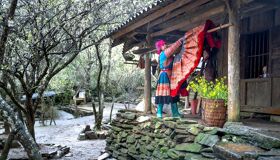
Image 7: Traditional H’Mong stilt house (caption: “Witness the cultural charm of Hau Thao Village”).
Image 8: H’Mong vendor selling textiles (caption: “Feel the cultural pulse of Hau Thao’s community”).
Image 9: Trekkers resting by rice fields (caption: “Honor Hau Thao’s journey with immersive exploration”).
Image 10: Sunset over Hau Thao’s terraces (caption: “Experience the serene splendor of Hau Thao Village”).