Discover the differences between Hanoi (Vietnam) and Siem Reap (Cambodia)! Compare urban culture, ancient temples, activities, eco-friendly tours, and top providers for the perfect Southeast Asia experience. Plan your visit today!
 Serene historical heart (Source: Internet)
Written by Tony Bùi, with over 20 years of experience in the travel industry, personally guiding and organizing tours for over 100,000 travellers across Southeast Asia. This guide draws from firsthand insights, guest feedback from Legend Travel Group surveys. Legend Travel Group since 2008. Information based on the latest data; verify before travel.
=> Vietnam - 10 Days. Departure every Monday from Hanoi
=> Vietnam - 12 Days. Departure every Saturday from Hanoi
=> Vietnam and Cambodia - 12 Days. Departure every Monday from Hanoi
=> Vietnam - 10 Days. Departure every Monday from Saigon
=> Vietnam - 12 Days. Departure every Saturday from Saigon
=> Vietnam and Cambodia - 14 Days. Departure every Saturday from Hanoi
 Immerse in Khmer grandeur (Source: Internet)
Southeast Asia’s cultural hubs—Hanoi in Vietnam and Siem Reap in Cambodia—offer contrasting experiences. Hanoi, Vietnam’s elegant capital, features French colonial architecture, serene lakes, and vibrant street life, while Siem Reap serves as the gateway to Angkor Wat, with ancient Khmer temples and lively Pub Street. Hanoi immerses you in dynamic Vietnamese urban culture, while Siem Reap provides profound historical temple exploration. Both showcase rich heritage, but differ in vibe—city energy vs temple tranquility—and activities, suiting various traveler preferences. Exploring Hanoi or Siem Reap with regional Tours immerses you in Southeast Asia’s diversity, perfect for families, couples, or groups seeking culture. Packages often combine both (via flights), with flexible payments—deposit just 10% and pay the rest 30 days before departure for peace of mind. A blend of Vietnamese refinement and Cambodian antiquity, these destinations cater to all ages and traveler types.
This guide compares Hanoi and Siem Reap, provides practical tips, cultural insights, and sustainable travel ideas for an unforgettable experience.
Visiting Hanoi requires a Vietnam visa for most nationalities ($25–$50 or 625,000–1,250,000 VND). Siem Reap (Cambodia) visa on arrival/e-visa $30–$36. Angkor Pass $37–$72. Tours cost $15–$100. Hanoi has Noi Bai Airport; Siem Reap has international airport. Verify travel advisories.
Location and Access:
Hanoi: Northern Vietnam; Noi Bai International Airport.
Siem Reap: Northwest Cambodia; Siem Reap International Airport.
Atmosphere and Vibe:
Hanoi: Bustling urban with historical charm.
Siem Reap: Temple gateway with relaxed energy.
Facilities and Amenities:
Hanoi: Boutique hotels, street food, cafes.
Siem Reap: Resorts, Pub Street, markets.
Activities:
Hanoi: Old Quarter walks, water puppets, temples.
Siem Reap: Angkor Wat sunrise, temple exploration, Apsara dance.
Crowds and Seasonality:
Hanoi: Year-round; peak autumn (September–November).
Siem Reap: Dry season (November–April).
Sustainability: Both promote green initiatives; Hanoi urban, Siem Reap temple conservation.
Choose Hanoi for Vietnamese urban culture.
Choose Siem Reap for Khmer temples and history.
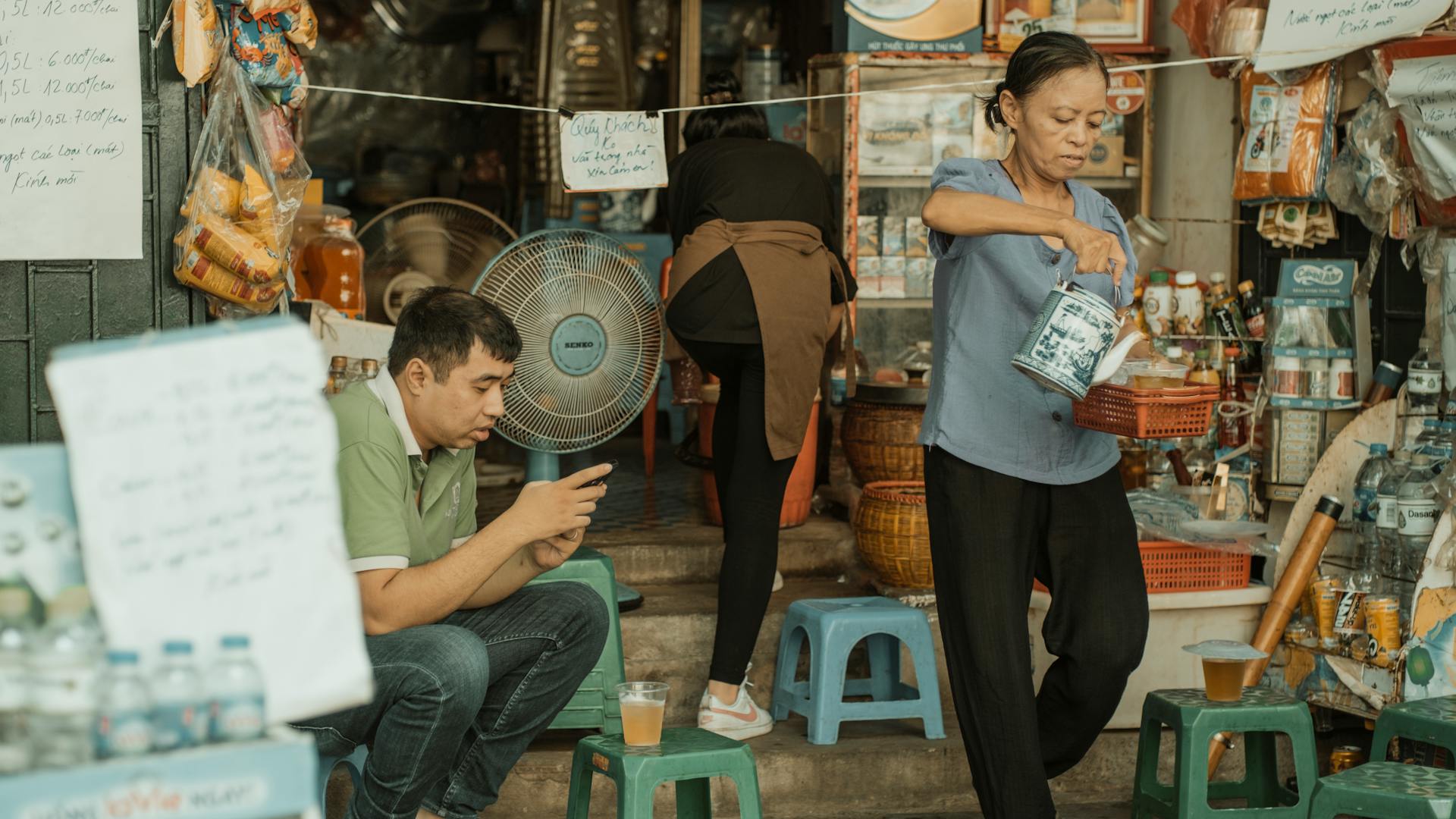 Vibrant urban charm (Source: Internet)
Cultural etiquette ensures a respectful experience. Here’s your guide:
Greetings: “Xin chào” in Hanoi; “Soksabai te?” in Siem Reap.
Dress: Modest covering shoulders/knees for temples.
Behaviour: Remove shoes in temples; respect quiet in sacred sites; ask permission for photos. A guest shared: “Respecting customs made our trip enriching.”
Customs: Tipping appreciated ($0.20–$1); avoid pointing feet at Buddha.
Tip: Say “cảm ơn” (Vietnam) or “arkun” (Cambodia); use eco-friendly practices like reusable water bottles to support sustainability. Tony Bùi notes: “Respectful travellers thrive in Southeast Asia’s heritage.”
General Tips:
Language: Carry phrase cards; English common in tourist areas.
Respect: Follow rules; support vendors fairly.
Navigation: Use offline maps (Maps.me) with “Hanoi” or “Siem Reap”.
Eco-Tip: Use shared transport.
Curated options based on regional expertise. Confirm schedules and prices before booking.
Details: Explore Hanoi Old Quarter or Siem Reap temples independently; low difficulty.
Schedule: Daily; temples sunrise.
Cost: Entries free–$72 (Angkor Pass).
Eco-Friendly Note: Use public transport; avoid littering.
Tip: Visit early; a guest noted: “Self-guided days were authentic.”
Details: 1-day tour visiting Old Quarter and lakes; includes guide, transport, lunch.
Cost: $15–$30/person.
Eco-Friendly Note: Group vehicles minimize impact.
Tip: Book regionally; perfect urban immersion.
Details: Multi-day tour with Angkor Wat; includes guide, transport, Angkor Pass.
Cost: $50–$150/person.
Eco-Friendly Note: Small groups reduce impact.
Tip: Book regionally; perfect temple exploration.
Details: 5–7 day tour combining Hanoi and Siem Reap; includes guide, transport, accommodation.
Cost: $200–$400/person.
Eco-Friendly Note: Fuel-efficient transport.
Tip: Book regionally; deep immersion.
 Experience Cambodia guided (Source: Internet)
Self-Guided Exploration — Flexible, cost-effective.
Group Cultural Tours — Affordable, guided.
Combo Temple Tours — Comprehensive heritage.
Multi-Day Regional Tours — In-depth exploration.
Eco-Friendly Note — Fuel-efficient transport supports green goals.
Key opportunities:
Tet → Late January–February, celebrations.
Mid-Autumn Festival → September, lanterns in Hanoi.
Year-Round → Autumn (September–November) best for Hanoi; dry season (November–April) for Siem Reap.
Autumn ideal for Hanoi; dry season for Siem Reap temples. Morning visits avoid crowds. Verify weather.
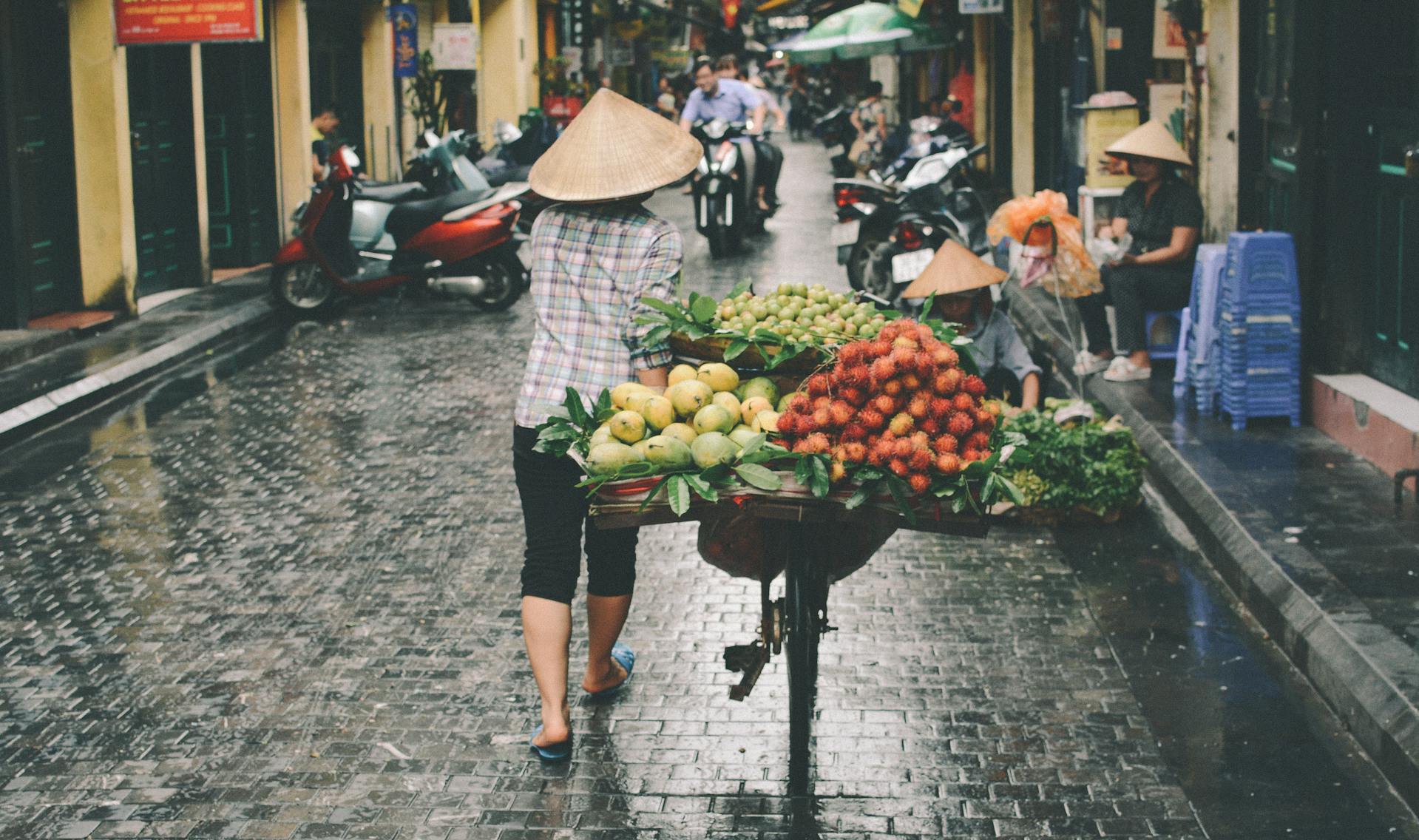 Bustling glow (Source: Internet)
Online Platforms → Book regionally ($15–$200). E-tickets acceptable.
Tour Operators → Contact for bundled tours.
Direct → Site bookings; confirm schedules.
Eco-Tip → Digital tickets; shared transport.
Tip → Book early; carry local currency; confirm visas.
Pack sustainable:
Documents — Passport, visas, wallet, bookings.
Clothing — Modest; lightweight; raincoat; shoes; hat.
Essentials — Reusable bottle; snacks; backpack; sunscreen; repellent.
Tech — Phone/apps; charger; SIM; camera.
Eco Items — Reusable tote; phrase card.
Extras — Local currency; first aid; umbrella; money belt. Tip: Pack light; reusable items support sustainability.
 Pho Bo Hanoi (Hanoi Beef Noodle) (Source: Internet)
Travel Tour Costs
Self-Guided → Free–$72.
Group Tours → $15–$40.
Combo Tours → $50–$150.
Multi-Day → $200–$400.
Safety-Related
Money Belt → $2.
SIM → $2–$3.
Insurance → $10–$30.
Other
Snacks → $0.30–$1.
Souvenirs → $1–$20.
Total Daily (Per Person)
Budget → $10–$30.
Mid-range → $30–$60.
Luxury → $60–$100. Tip: Budget $10–$100 daily.
Travel Tips — Early visits; Hanoi for history or Siem Reap for temples; try pho or amok.
Etiquette — “Xin chào”/“Soksabai”; modest dress; respect sites.
Access — Self-guided or group/multi-day tours.
Schedules — Daily; book early.
Sustainability — Shared transport; reusable items.
Navigation — Offline maps.
Weather — Check forecasts.
Safety — Money belt; watch traffic.
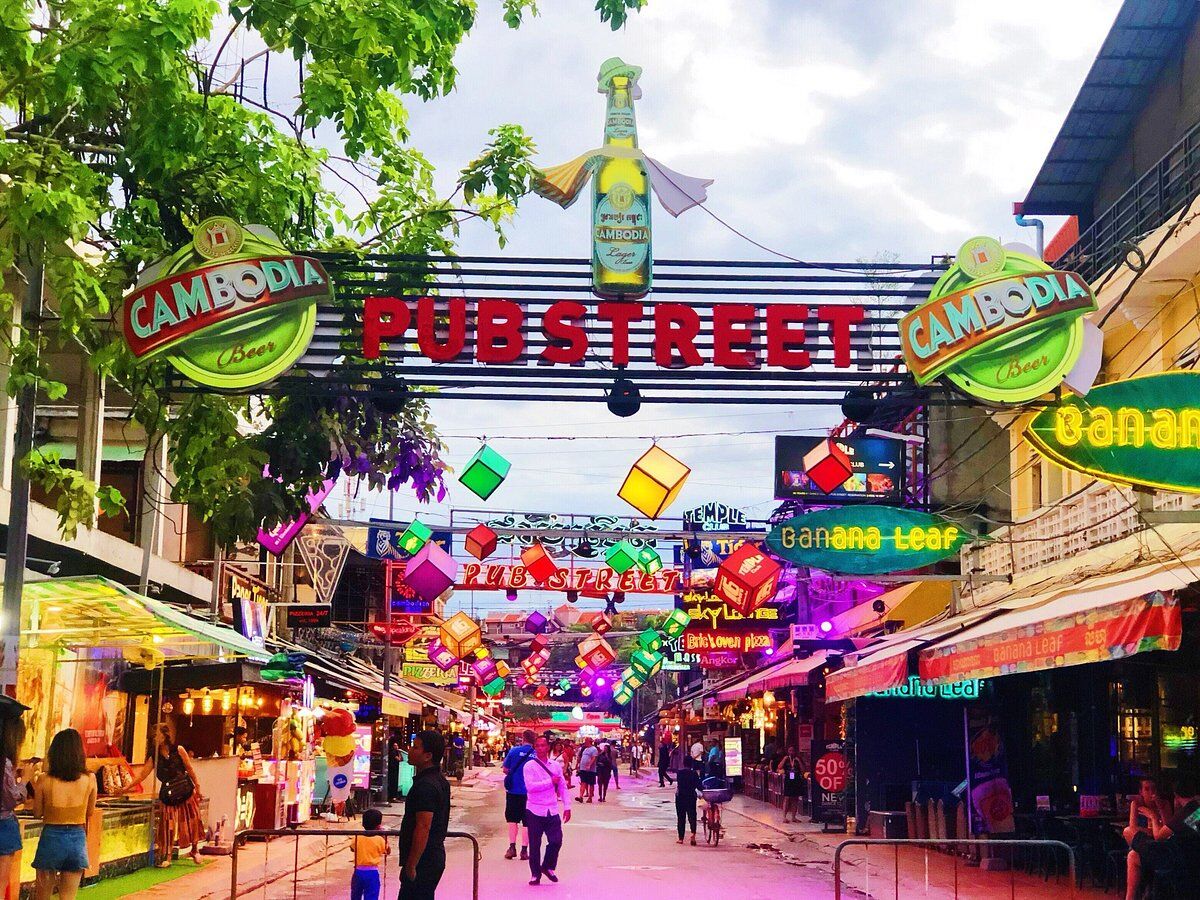 Culinary essence (Source: Internet)
Which is better? Hanoi for Vietnamese urban history; Siem Reap for Khmer temples.
How to get between? Flights (full day).
Activities? Old Quarter in Hanoi; Angkor Wat in Siem Reap.
Booking? Regional platforms.
Eco-tours? Yes, sustainable options available.
Enhance your journey with eco-conscious regional tours:
Eco-Tour ($15–$30/person, 1 day) → Sustainable practices.
Heritage Trail ($80–$150/person, 2 days) → Low-emission transport.
Explorer ($150–$250/person, 3 days) → Eco-lodges.
Prices include guides/transport/fees; group discounts. Deposit 10%. Contact for plans.
Comparing Hanoi vs Siem Reap with etiquette unlocks diverse Southeast Asia. With costs $15–$100, eco-tours, and unique vibes, this trip offers culture for all. Book regionally for memorable journeys. Safe travels!
Sources:
Regional expertise
Tourism data