Explore Hanoi to Sapa transportation options with our travel guide! Learn cultural etiquette, costs, schedules, eco-friendly tips, and top providers for buses, trains, and private cars. Plan your Sapa adventure today!
 Capture the breathtaking views on Hanoi to Sapa transportation (Source: Internet)
Written by Tony Bùi, with over 20 years of experience in the travel industry, guiding 100000+ travelers across Southeast Asia. This guide draws from firsthand insights, guest feedback from Legend Travel Group surveys, and official sources like 12go.asia, sapaexpress.com, vietnam-railway.com, vncarrentals.com, and vietnam.travel. Prices and schedules based on latest data; verify before travel. Updated March 2026, reflecting Vietnam’s administrative changes (34 provinces, streamlined local governance).
=> Vietnam - 10 Days. Departure every Monday from Hanoi
=> Vietnam - 12 Days. Departure every Saturday from Hanoi
=> Vietnam and Cambodia - 12 Days. Departure every Monday from Hanoi
=> Vietnam - 10 Days. Departure every Monday from Saigon
=> Vietnam - 12 Days. Departure every Saturday from Saigon
=> Vietnam and Cambodia - 14 Days. Departure every Saturday from Hanoi
 Dive into the respectful charm of Sapa Travel (Source: Internet)
Traveling from Hanoi to Sapa, located in Lao Cai Province, offers a variety of transportation options to reach this stunning mountain town, renowned for its terraced rice fields, ethnic minority cultures, and cool climate. The 320 km journey along the Noi Bai–Lao Cai Expressway or rail routes provides options like buses (5.5–6 hours), trains (7–8 hours to Lao Cai plus 1-hour transfer), and private cars (4.5–5 hours). Each mode offers unique benefits, from budget-friendly buses to luxurious trains and flexible private transfers, catering to different preferences. Mastering Hanoi to Sapa Transportation Options cultural etiquette ensures a respectful journey, perfect for culture enthusiasts, budget travelers, and eco-conscious explorers.
Following Vietnam’s administrative reform on July 1, 2025, Lao Cai remains a key province among the streamlined 34 provinces, enhancing transport logistics. This guide blends cultural insights, practical tips, and sustainable travel ideas for a seamless journey.
Transportation services from Hanoi to Sapa operate daily, with costs ranging from $10–$400 (250,000–10,000,000 VND) depending on the mode (bus, train, private car). Located in Sapa Town, Lao Cai Province, the journey emphasizes respectful conduct in shared vehicles and at stops. Vietnam’s 2025 reform removes some district-level administration, making travel logistics smoother.
Cultural etiquette ensures a respectful and pleasant journey to Sapa, regardless of transportation mode. Here’s your guide, based on current norms as of August 2025:
Greetings: Offer “xin chào” (hello) or a nod to drivers, train staff, or fellow passengers; use both hands when exchanging tickets or payments to show respect.
Dress: Wear casual, comfortable clothing suitable for travel; a lightweight scarf ($3 or 75,000 VND) aligns with local norms and protects against air-conditioned vehicles.
Behavior: Speak softly to maintain a calm atmosphere; avoid eating strong-smelling food; photography is allowed but ask permission before photographing locals at rest stops or stations. A guest shared: “The journey to Sapa was enjoyable when we respected the shared space.”
Customs: Costs vary by mode ($10–$400); tipping drivers or staff ($0.50–$2 or 12,500–50,000 VND) is appreciated but not mandatory; keep vehicles tidy and follow safety instructions; avoid littering at stops or stations.
Tip: Say “cảm ơn” (thank you) to staff; use reusable water bottles to support eco-friendly travel. Tony Bùi notes: “In 20 years guiding, I’ve seen travelers to Sapa thrive by respecting their chosen transport mode.”
General Tips:
Language: Carry a phrase card ($2 or 50,000 VND) for Vietnamese basics like “bao nhiêu” (how much); English-speaking staff are common on tourist services.
Respect: Follow vehicle rules (e.g., no smoking, keep curtains closed in sleeper cabins); respect fellow passengers’ space and driver schedules.
Navigation: Expect 4.5–8 hours depending on mode; download offline maps (Maps.me) with “Sapa Town, Lao Cai” or “Lao Cai Station” for arrival.
Eco-Tip: Choose eco-friendly options like trains or shared buses to reduce carbon footprint, aligning with Vietnam’s green tourism goals post-2025 reform.
Note: Etiquette reflects current norms; verify schedules via 12go.asia.
 Photograph the majestic allure of Sapa’s natural wonders (Source: Internet)
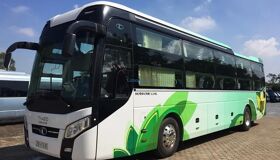
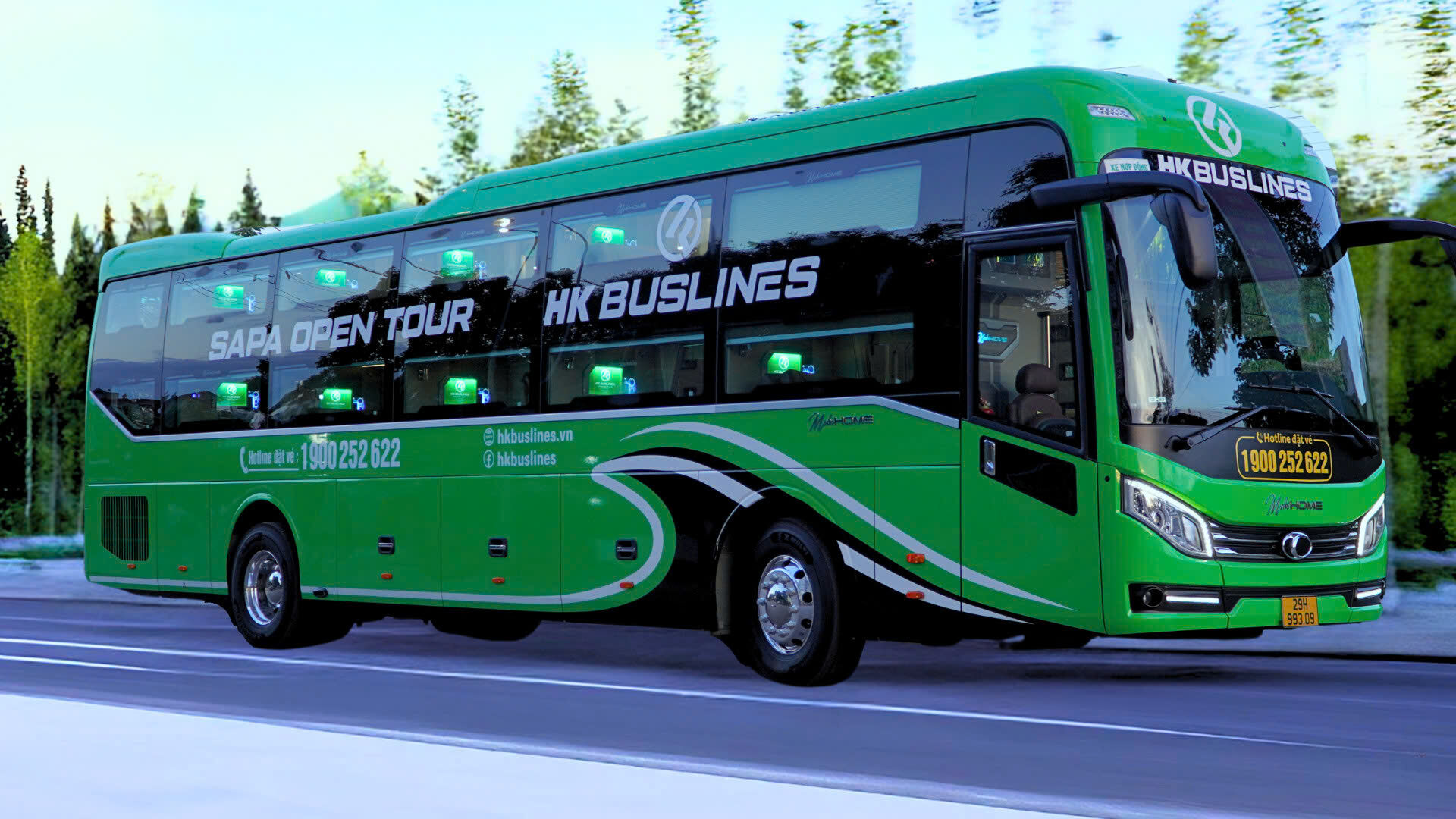
Details: Sleeper buses (24–44 seats) offer reclining beds, Wi-Fi, and air conditioning; limousine vans (9–18 seats) provide reclining leather seats and premium amenities. Door-to-door service from Hanoi’s Old Quarter, My Dinh Station, or Noi Bai Airport to Sapa’s hotels or bus station.
Travel Time: 5.5–6 hours (sleeper bus); 4.5–5.5 hours (limousine van).
Schedule: Day buses (6:00 AM–5:00 PM); overnight buses (9:00 PM–11:30 PM).
Cost: $10–$30 (250,000–750,000 VND).
Top Providers: Sapa Express (sapaexpress.com), Eco Sapa Limousine (ecosapa.com), Inter Bus Lines (interbuslines.com).
Eco-Friendly Note: Fuel-efficient or hybrid vans reduce emissions.
Tip: Book via 12go.asia; a guest noted: “The limousine van was fast and comfortable.”
Details: Sleeper trains offer 4-berth or 2-berth VIP cabins with air conditioning, Wi-Fi (on tourist trains), and bedding. Depart from Hanoi’s Tran Quy Cap Station to Lao Cai Station, requiring a 1-hour transfer to Sapa (35 km).
Travel Time: 7–8 hours to Lao Cai, plus 1 hour to Sapa.
Schedule: Night trains (8:00 PM–10:00 PM, arrives 4:00 AM–6:00 AM).
Cost: $20–$60 (500,000–1,500,000 VND), plus $2–$15 (50,000–375,000 VND) for Lao Cai-Sapa transfer.
Top Providers: Vietnam Railways, Sapaly Express (sapalyexpresstrain.com), Chapa Express (12go.asia).
Eco-Friendly Note: Trains emit 17.69 kg CO2 vs. 50.54 kg for flights.
Tip: Book via vietnam-railway.com; a guest noted: “The tourist train was cozy and scenic.”
Details: Private 4–16-seat vehicles (sedans, SUVs, vans) with air conditioning, Wi-Fi, and English-speaking drivers; customizable stops (e.g., Silver Waterfall). Door-to-door service from Hanoi (hotels, Noi Bai Airport) to Sapa.
Travel Time: 4.5–5 hours.
Schedule: 24/7, flexible departures.
Cost: $100–$187 (2,500,000–4,675,000 VND, 4–7 passengers); $240–$400 (6,000,000–10,000,000 VND, 16–29 passengers).
Top Providers: Vietnam Car Rentals (vncarrentals.com), Vietnam Car Hire (vietnamcarhire.com), A21 Tours (a21tours.com).
Eco-Friendly Note: Fuel-efficient or hybrid vehicles available.
Tip: Book via 12go.asia; a guest noted: “The private car was swift and flexible.”
Note: Self-driving is not recommended due to complex traffic, unclear road rules, and safety concerns.
Details: Minibuses (9–16 seats) or taxis from Lao Cai Railway Station to Sapa; air conditioning and comfortable seats on tourist minibuses.
Travel Time: 45 minutes to 1 hour.
Schedule: 5:30 AM–6:00 PM, synced with train arrivals.
Cost: $2–$8 (50,000–200,000 VND, minibus); $10–$15 (250,000–375,000 VND, taxi).
Top Providers: Sapa Express, Sao Viet (xesaoviet.com.vn), public minibuses.
Eco-Friendly Note: Shared minibuses reduce emissions.
Tip: Book via 12go.asia; a guest noted: “The minibus was quick and affordable.”
March to May and September to November offer pleasant weather (15–25°C), ideal for traveling to Sapa, with clear roads and vibrant rice terraces. Avoid June-August’s heat and rains, which can delay travel, or December-February’s fog, which may obscure scenery; March or September balances comfort and fewer crowds. Daytime buses/vans (6:00 AM–5:00 PM) offer scenic views, while overnight buses/trains (9:00 PM–11:30 PM) arrive early morning (2:30 AM–6:00 AM), maximizing daytime exploration in Sapa. Private cars offer flexible timing.
 Experience Sapa Tours with sustainable transportation options (Source: Internet)
|
Mode |
Travel Time |
Cost (USD/VND) |
Pros |
Cons |
|---|---|---|---|---|
|
Bus (Sleeper) |
5.5–6 hours |
$10–$22 (250,000–550,000 VND) |
Affordable, frequent departures, door-to-door |
Less privacy, may feel cramped |
|
Limousine Van |
4.5–5.5 hours |
$15–$30 (375,000–750,000 VND) |
Comfortable, faster than buses, door-to-door |
Higher cost than sleeper buses |
|
Train |
7–8 hours + 1 hour transfer |
$20–$60 (500,000–1,500,000 VND) + $2–$15 |
Scenic, eco-friendly, comfortable cabins |
Longer travel time, requires transfer |
|
Private Car |
4.5–5 hours |
$100–$400 (2,500,000–10,000,000 VND) |
Fastest, flexible, private |
Most expensive, not shared |
Online Platforms: Book buses, trains, or private cars via 12go.asia, sapaexpress.com, vietnam-railway.com, vncarrentals.com, or klook.com. Costs: buses ($10–$30), trains ($20–$60), private cars ($100–$400). Provide pick-up/drop-off details; e-tickets are acceptable on smartphones, but printing is recommended.
Tour Operators: Contact agencies like Legend Travel Group for bundled transport and Sapa tour packages.
Direct: Purchase bus tickets at Hanoi stations (My Dinh, Giap Bat), train tickets at Tran Quy Cap Station (120 Le Duan Street), or car rentals through hotels/travel agencies; book 1–4 weeks early for peak seasons (Tet: Jan 27–Feb 1, 2025; summer).
Eco-Tip: Choose trains or shared buses/vans for lower emissions; request hybrid vehicles for private cars.
Tip: Book early for holidays; confirm pick-up (e.g., Noi Bai Airport: Column 1F09, hotels) and drop-off (Sapa hotel); arrive 15–30 minutes early.
 Start your Sapa Travel with comfortable and respectful vibes (Source: Internet)
Pack for a comfortable, sustainable journey:
Documents: Passport, Vietnam e-visa ($25–$50 or 625,000–1,250,000 VND); wallet ($5–$8 or 125,000–200,000 VND); booking confirmation.
Clothing: Casual, comfortable outfits; light jacket ($5 or 125,000 VND) for air-conditioned vehicles; scarf ($3 or 75,000 VND).
Essentials: Reusable water bottle ($4 or 100,000 VND); snacks ($1–$3 or 25,000–75,000 VND); travel pillow ($5 or 125,000 VND).
Tech: Phone with translation apps; charger ($10–$15 or 250,000–375,000 VND); local SIM ($5–$7 or 125,000–175,000 VND).
Eco Items: Reusable tote ($3 or 75,000 VND); phrase card ($2 or 50,000 VND).
Extras: Small VND notes for tips/stops; motion sickness pills ($3 or 75,000 VND); earplugs ($2 or 50,000 VND); sleep mask ($2 or 50,000 VND) for overnight trips; camera ($50 or 1,250,000 VND) for scenic stops. Tip: Pack light (1 small bag, max 15 kg); reusable items support sustainability.
Transport Costs
Bus: $10–$30 (250,000–750,000 VND).
Train: $20–$60 (500,000–1,500,000 VND, Hanoi to Lao Cai, plus $2–$15 or 50,000–375,000 VND for Lao Cai-Sapa transfer).
Private Car: $100–$187 (2,500,000–4,675,000 VND, 4–7 passengers); $240–$400 (6,000,000–10,000,000 VND, 16–29 passengers).
Local E-Bike/Taxi in Hanoi: $3–$5 (75,000–125,000 VND).
Activity & Dining Costs in Sapa
Rest Stop/Station Snacks: $1–$3 (25,000–75,000 VND, e.g., phở, snacks).
Sapa Attractions (e.g., Fansipan Cable Car): $30 (750,000 VND).
Sapa Street Food: $1–$3 (25,000–75,000 VND).
Souvenirs in Sapa: $2–$6 (50,000–150,000 VND, e.g., ethnic textiles).
Eco-Tour Add-Ons in Sapa: $15–$30 (375,000–750,000 VND).
Total Daily Cost (Per Person, Including Transport)
Budget: $15–$45 (bus or train, minibus transfer, snacks, free Sapa sights).
Mid-range: $45–$80 (limousine van or luxury train, Fansipan, meals).
Luxury: $100–$150 (private car, guided Sapa tours). Tip: Budget $10–$47 per person for transport, $1–$10 for stopover/Sapa expenses. Eco-options add adventure depth.
 Seize the scenic spirit of Sapa Travel (Source: Internet)
Etiquette: Greet with “xin chào”; respect shared vehicle space or driver schedules; keep noise low in cabins.
Transport: Choose buses for affordability, trains for eco-friendliness, or private cars for speed and flexibility; book eco-friendly options (e.g., hybrid vans, trains).
Schedules: Day buses/vans (6:00 AM–5:00 PM) for scenery; overnight buses/trains (8:00 PM–11:30 PM) for daytime Sapa exploration; private cars offer 24/7 flexibility.
Sustainability: Opt for trains or shared buses/vans to reduce emissions; request hybrid vehicles for private cars.
Navigation: Confirm pick-up (e.g., Noi Bai Airport: Column 1F09, Tran Quy Cap Station) and drop-off (Sapa hotel); arrive 15–30 minutes early.
Weather: March-May or September-November ideal for clear roads; bring a jacket for Sapa’s cool climate.
Safety Note: Secure valuables with a money belt ($5 or 125,000 VND); take motion sickness pills if needed.
Cultural Note: Respect local ethnic communities at rest stops, stations, and in Sapa to honor their heritage.
What are the transportation options from Hanoi to Sapa? Buses (sleeper, limousine van), trains (sleeper, tourist), and private car rentals with drivers.
How much is transportation to Sapa? Buses: $10–$30 (250,000–750,000 VND); trains: $20–$60 (500,000–1,500,000 VND) + $2–$15 transfer; private cars: $100–$400 (2,500,000–10,000,000 VND).
How long is the journey to Sapa? Buses: 5.5–6 hours; limousine vans: 4.5–5.5 hours; trains: 7–8 hours + 1 hour transfer; private cars: 4.5–5 hours.
Is photography allowed during the trip? Yes, but ask permission before photographing locals at stops or stations.
Are eco-friendly options available? Trains and shared buses/vans are greener; hybrid private cars available; check 12go.asia.
How to book transportation? Online via 12go.asia, sapaexpress.com, or vietnam-railway.com; book 1–4 weeks early for holidays.
Enhance your Sapa journey with eco-conscious tours from Legend Travel Group, blending cultural respect and sustainability:
Sapa Eco-Adventure ($80–$120/person, 1 day): E-bike exploration of Sapa’s rice terraces, ethnic villages, and Fansipan, with eco-meals.
Sapa Cultural Trail ($100–$150/person, 2 days): Visit Cat Cat Village and local markets with low-emission vans and cultural guides.
Northern Vietnam Explorer ($250–$350/person, 3 days): Multi-site adventure with eco-lodges and community-focused activities.
Prices include guides, transport, and fees; group discounts available. Explore options at legendtravelgroup.com or contact sales@legendtravelgroup.com / WhatsApp +84825862222.
Exploring Hanoi to Sapa Transportation Options with cultural etiquette—casual attire, polite greetings like “xin chào,” and respectful behavior—unlocks a scenic, tailored journey to Sapa’s cultural and natural wonders. With options from $10–$400, eco-friendly choices like trains or hybrid cars, and nearby attractions like Fansipan, this trip caters to all preferences. Legend Travel Group’s Sapa Tours guide you through the best routes—whether by sleeper bus, luxury van, train, or private car—ensuring a sustainable Sapa Travel experience that respects local customs and supports eco-friendly travel. Whether traveling solo or joining guided eco-tours, prioritize respect for a memorable experience. For more guides, check trusted resources like vietnam.travel. Don’t miss out—browse our featured tours and book your Hanoi to Sapa journey today!
Ready to choose your perfect transportation to Sapa? Reserve your sustainable tour with Legend Travel Group and embark on an unforgettable adventure!
Author Bio: Written by Tony Bùi, with over 20 years of experience in the travel industry, personally guiding and organizing tours for over 100,000 travellers across Southeast Asia. This guide draws from firsthand insights, guest feedback from Legend Travel Group surveys.