Exploring Vietnam Visa for Expats: A Comprehensive Guide
Overview
Plan your expat life in Vietnam with our guide to visa requirements! Learn about long-term visas, extensions, residence permits, cultural site visits, eco-friendly Vietnam Tours, and top providers for a seamless experience with Vietnam Travel. Start your journey today!
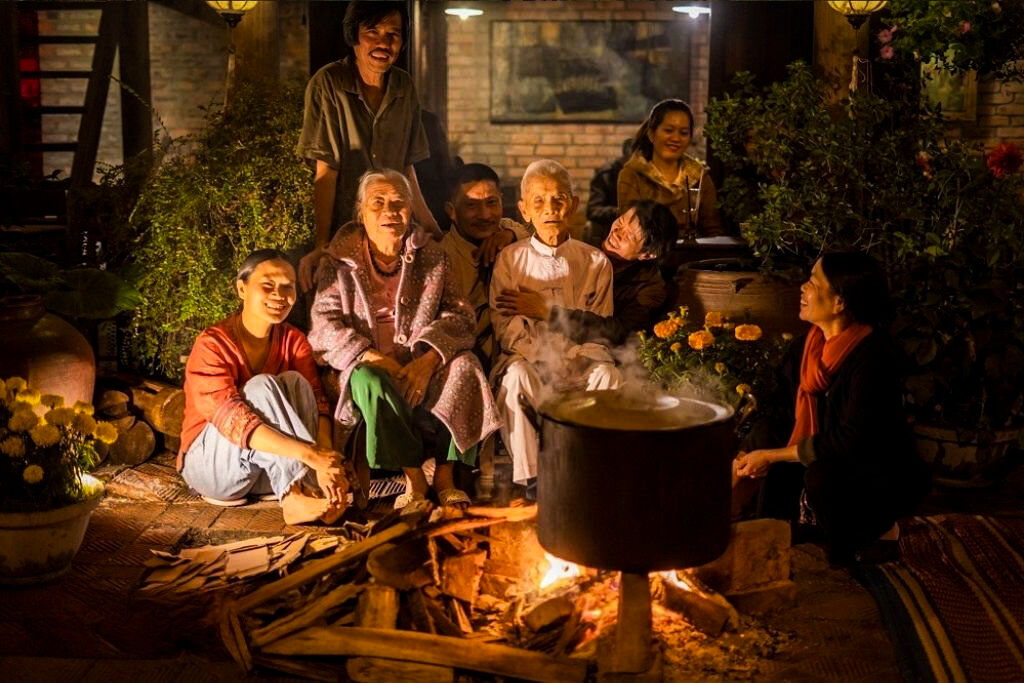 Embrace the vibrant energy of Vietnam’s cultural heritage (Source: Internet)
Author Bio:
Written by Tony Bùi, with over 20 years of experience in the travel industry, personally guiding and organizing tours for over 100,000 travellers across Southeast Asia. This guide draws from firsthand insights, guest feedback from Legend Travel Group surveys, and official sources like vietnam-visa.com, travel.state.gov, evisa.gov.vn, vinpearl.com, and vietnam.travel. Information based on the latest data; verify before travel. Reflects Vietnam’s updated travel regulations.
Best Tour Packages for Solo Travelers to Join
=> Vietnam - 10 Days. Departure every Monday from Hanoi
=> Vietnam - 12 Days. Departure every Saturday from Hanoi
=> Vietnam and Cambodia - 12 Days. Departure every Monday from Hanoi
=> Vietnam - 10 Days. Departure every Monday from Saigon
=> Vietnam - 12 Days. Departure every Saturday from Saigon
=> Vietnam and Cambodia - 14 Days. Departure every Saturday from Hanoi
Important Notice: Visa on Arrival Discontinued
Travelers, please note: The Visa on Arrival (VOA) program was discontinued in 2022. Expats can apply for e-visas online via evisa.gov.vn, obtain long-term visas through Vietnamese embassies, or pursue residence permits for extended stays. This guide details visa requirements for expats, application processes, and travel tips for a seamless relocation or long-term stay in Vietnam.
Why Understand Vietnam Visa Requirements for Expats?
A Practical, Cultural, and Sustainable Travel Essential
Vietnam, a dynamic Southeast Asian destination, is renowned for its cultural landmarks like Hoi An’s ancient town, Ha Long Bay’s limestone karsts, and bustling cities like Hanoi and Ho Chi Minh City vinpearl.com. Understanding visa requirements for expats ensures smooth entry and extended stays for living, working, or retiring, whether joining guided Vietnam Tours or settling independently. Expats often require long-term visas like work (LD), investment (DT), or marriage (TT) visas, or residence permits for stays over 90 days vietnam-visa.com. This guide provides practical visa insights, cultural tips, and eco-friendly Vietnam Travel options for expats from all countries.
Following Vietnam’s updated travel regulations, the country is accessible via 13 international airports (e.g., Noi Bai in Hanoi, Tan Son Nhat in Ho Chi Minh City), 16 land borders, and 13 seaports. This guide blends visa requirements for expats, application processes, and sustainable Vietnam Travel ideas for a worry-free relocation.
Administrative Note
Expats from visa-exempt countries can enter for short stays (up to 45 days), but long-term visas like work (LD: $25–$100, 2 years) or residence permits (free with visa, 5–10 years) are required for extended stays. Passports must be valid for at least 6 months with two blank pages. Cultural site entries like Hoi An cost $5–$7 (125,000–175,000 VND); guided tours range from $15–$80 (375,000–2,000,000 VND). Residence registration with local police is mandatory within 90 days for long-term stays. Verify visa requirements via evisa.gov.vn or travel.state.gov.
Vietnam Visa Requirements for Expats
Visa Options for Expats
-
Standard Visa Exemption:
-
Purpose: Short-term visits for expats planning to relocate or scout locations.
-
Eligibility: Citizens of 25 countries, including ASEAN nations, UK, Japan, Germany, and others vietnam-visa.com.
-
Duration: Up to 45 days, calculated from the date of entry vietnam-visa.com.
-
Cost: No cost vietnam-visa.com.
-
Requirements: Passport valid for at least 6 months from entry date with two blank pages; proof of onward travel (e.g., return flight ticket) recommended but not mandatory vietnam.travel.
-
Extension: Non-extendable; requires exit and re-entry with a new exemption or visa vietnam-visa.com.
-
Entry/Exit Points: Valid at 13 airports (e.g., Noi Bai, Tan Son Nhat, Da Nang), 16 land borders (e.g., Moc Bai, Lao Cai), and 13 seaports (e.g., Nha Trang, Da Nang) vietnam.travel.
-
-
E-Visa (For Initial Entry or Short-Term Stays):
-
Purpose: Tourism or business for expats needing a short-term visa before applying for long-term options.
-
Eligibility: Available to citizens of 80 countries, including the US, Canada, Australia, India, and most EU nations evisa.gov.vn.
-
Duration: Up to 90 days (single or multiple entry) evisa.gov.vn.
-
Cost: $25 (625,000 VND) for single entry; $50 (1,250,000 VND) for multiple entry; non-refundable vietnam-visa.com.
-
Application Process:
-
Visit evisa.gov.vn, select English, and click “Apply now” evisa.gov.vn.
-
Review terms and conditions, then confirm to proceed evisa.gov.vn.
-
Enter personal details (full name, date of birth, nationality), passport details (number, issue/expiry date), travel details (intended entry/exit dates, entry/exit checkpoints), and temporary address in Vietnam (e.g., hotel address) vietnam-visa.com.
-
Upload a digital passport photo (4x6 cm, white background, no glasses, straight view) and a scan of the passport data page in .jpg format, max 2MB evisa.gov.vn.
-
Pay the fee ($25 or $50) via credit/debit card (American Express not accepted); note the verification code vietnam-visa.com.
-
Check status at evisa.gov.vn/e-visa/search using registration code, email, and date of birth; download and print the e-visa PDF evisa.gov.vn.
-
Present printed e-visa and passport at the entry checkpoint; ensure details match exactly to avoid entry issues travel.state.gov.
-
-
Processing Time: 3–7 working days; expedited processing (1–2 days) available through agencies for additional fees ($10–$30 or 250,000–750,000 VND) vietnam-visa.com.
-
Extension: Non-extendable; requires exit and re-entry with a new e-visa (visa run) vietnam-visa.com.
-
Entry/Exit Points: Valid at 13 airports, 16 land borders (e.g., Moc Bai, Lao Cai), and 13 seaports evisa.gov.vn.
-
-
Long-Term Visas for Expats (Work, Investment, Marriage):
-
Purpose: Work (LD visa), investment (DT visa), or marriage/family reunion (TT visa) for expats planning to live in Vietnam.
-
Eligibility: Work visa: Sponsored by a Vietnamese employer; investment visa: For investors in Vietnam; marriage visa: For spouses of Vietnamese citizens vietnam-visa.com.
-
Duration: 1–2 years, renewable vietnam-visa.com.
-
Cost: $25–$100 (625,000–2,500,000 VND), depending on visa type and processing time vietnam-visa.com.
-
Requirements: Passport, application form, sponsor letter (employer, investor certificate, or marriage certificate), two passport photos (4x6 cm), and fees; apply through the Vietnam Immigration Department or embassy vietnam-visa.com.
-
Extension: Renewable for 1–2 years with sponsor documentation; fees vary ($10–$100 or 250,000–2,500,000 VND) vietnam-visa.com.
-
-
Temporary Residence Card (TRC):
-
Purpose: Long-term residence for expats with work, investment, or family ties.
-
Eligibility: Holders of long-term visas (LD, DT, TT) vietnam-visa.com.
-
Duration: 2–5 years, renewable vietnam-visa.com.
-
Cost: $100–$150 (2,500,000–3,750,000 VND) vietnam-visa.com.
-
Requirements: Valid long-term visa, sponsor documentation, health check, police clearance, and application through the Immigration Department vietnam-visa.com.
-
Extension: Renewable with updated documentation; fees apply ($50–$100 or 1,250,000–2,500,000 VND) vietnam-visa.com.
-
-
Key Restrictions:
-
Expats must register temporary residence within 90 days for TRC; non-compliance can lead to fines or deportation vietnam-visa.com.
-
Work without a work permit is illegal (fines up to $1,000 or 25,000,000 VND) vietnam-visa.com.
-
Overstay penalties: 500,000 VND/day ($20/day); potential exit bans or deportation travel.state.gov.
-
-
Important Note: The Visa on Arrival program was discontinued in 2022. Expats must use long-term visas or TRC for extended stays vietnam-visa.com.
Key Requirements for Expats
-
Passport: Valid for at least 6 months from entry date with two blank pages travel.state.gov.
-
Long-Term Visa Application: Requires sponsor (employer, investor, or spouse); submit at Vietnamese embassies or Immigration Department in Vietnam vietnam-visa.com.
-
Residence Registration: Mandatory for long-term stays; handled by sponsor or landlord with local police travel.state.gov.
-
Work Permit: Required for work visas; employer-sponsored, valid 2 years vietnam-visa.com.
Cultural Etiquette for Expats in Vietnam
Respecting Vietnam’s Cultural Heritage
Cultural etiquette ensures a smooth experience during Vietnam Tours, complementing visa preparation for expats. Here’s your guide, based on current norms:
-
Greetings: Offer a “xin chào” (hello) with a slight nod; use both hands for transactions to show respect, especially at temples or markets like Hanoi’s Old Quarter culturetrip.com.
-
Dress: Wear modest clothing covering shoulders and knees for temple visits (e.g., Temple of Literature in Hanoi); a lightweight scarf ($1 or 25,000 VND) aligns with local norms vinpearl.com.
-
Behaviour: Maintain a calm demeanor at cultural sites; ask permission before photographing locals or rituals; carry passport or residence card securely to verify status. Avoid public criticism of the Vietnamese government (penalties apply). A guest shared: “Respecting Vietnamese customs made our visa-prepared expat life seamless.” culturetrip.com
-
Customs: Tipping is not mandatory but appreciated ($0.20–$1 or 5,000–25,000 VND); avoid littering at cultural sites like Ha Long Bay or Hoi An’s ancient town culturetrip.com.
-
Tip: Say “cảm ơn” (thank you) to locals or guides; use eco-friendly practices like reusable water bottles ($2 or 50,000 VND) to support sustainable Vietnam Travel; keep passport handy for checks. Tony Bùi notes: “In 20 years guiding, I’ve seen expats thrive in Vietnam’s vibrant culture.”
General Tips:
-
Language: Carry a phrase card ($1 or 25,000 VND) for Vietnamese basics like “cảm ơn”; English is widely spoken in expat areas like Hanoi or Ho Chi Minh City, but translation apps are useful culturetrip.com.
-
Respect: Follow temple rules (avoid touching sacred items); respect local vendors with fair purchases in markets.
-
Navigation: Use PassApp for ride-hailing; carry residence card for checks travel.state.gov.
-
Eco-Tip: Opt for bicycles ($1–$3 or 25,000–75,000 VND/day) or motorbike taxis ($0.50–$2 or 12,500–50,000 VND) to reduce emissions vietnam.travel.
Visa-Prepared Travel Options for Expats in Vietnam
Below is a curated list of tour options to enhance your visa-prepared expat life, based on the latest data from vietnam-visa.com, travel.state.gov, evisa.gov.vn, vinpearl.com, and vietnam.travel. Confirm schedules and prices before booking.
1. Self-Guided Visa-Prepared Exploration
-
Details: Explore Hanoi’s Old Quarter, Hoi An’s ancient town, or Ha Long Bay independently after obtaining long-term visas or residence cards; suitable for expats with valid work or investment visas; low to moderate difficulty vietnam.travel.
-
Visa Tips: Use work (LD) or investment (DT) visas for extended stays; carry residence card or passport photocopy; register temporary residence within 90 days vietnam-visa.com.
-
Schedule: Daily; Hoi An ancient town open 8:00 AM–5:00 PM ($5–$7 or 125,000–175,000 VND); Temple of Literature open 8:00 AM–5:00 PM ($1–$2 or 25,000–50,000 VND); Ha Long Bay accessible anytime.
-
Cost: Entry: free (markets); Hoi An: $5–$7 (125,000–175,000 VND); Temple of Literature: $1–$2 (25,000–50,000 VND); transport (bicycle: $1–$3 or 25,000–75,000 VND/day; motorbike taxi: $0.50–$2 or 12,500–50,000 VND); local purchases: $0.20–$10 (5,000–250,000 VND).
-
Location: Hanoi, Hoi An, Ha Long Bay, Vietnam.
-
Eco-Friendly Note: Use bicycles or walk to reduce emissions; avoid littering at cultural sites.
-
Tip: Confirm long-term visa eligibility; apply for residence cards early; a guest from the US noted: “Self-guided exploration was seamless with a work visa.”
2. Legend Travel Group (Group Visa-Prepared Cultural Tour)
-
Details: 1-day group tour visiting Hanoi’s Old Quarter and Temple of Literature; includes English-speaking guide, transport from Hanoi hotels, lunch, and entry fees; low difficulty.
-
Visa Tips: Ensure valid long-term visa; carry residence card or passport photocopy; guides assist with residence registration for expats travel.state.gov.
-
Schedule: Daily; departs 7:00 AM from Hanoi hotels; returns by 4:00 PM.
-
Cost: $25–$40/person (625,000–1,000,000 VND, includes transport and entry).
-
Pick-up/Drop-off: Hotels in Hanoi.
-
Eco-Friendly Note: Group transport with fuel-efficient vehicles minimizes impact; supports local communities.
-
Tip: Book via legendtravelgroup.com; a guest from Canada noted: “Legend’s tour ensured visa compliance and cultural immersion for expats.”
3. Local Vietnam (Combo Visa-Prepared Cultural and Adventure Tour)
-
Details: 1-day guided tour visiting Hoi An’s ancient town and a cycling tour; includes English-speaking guide, transport from Hoi An, lunch, and entry fees; low to moderate difficulty.
-
Visa Tips: Use investment (DT) or marriage (TT) visas for long-term expats; carry residence card or passport photocopy; confirm eligibility vietnam-visa.com.
-
Schedule: Daily; departs 6:30 AM from Hoi An hotels; returns by 4:00 PM.
-
Cost: $30–$50/person (750,000–1,250,000 VND, includes entry).
-
Pick-up/Drop-off: Hotels in Hoi An.
-
Eco-Friendly Note: Small groups and cycling reduce environmental impact; supports local communities.
-
Tip: Book via localvietnam.com; a guest from France noted: “The combo tour was visa-ready and enriching for expats.”
4. Multi-Day Visa-Prepared Cultural and Adventure Tour (Legend Travel Group)
-
Details: 2–3 day tour combining Hanoi, Ha Long Bay, and Hoi An; includes English-speaking guide, transport, accommodation, meals, and entry fees; low to moderate difficulty.
-
Visa Tips: Use work (LD) or investment (DT) visas for multi-city expat travel; carry residence card or passport photocopy; confirm temporary residence registration travel.state.gov.
-
Schedule: Daily; departs from Hanoi hotels; returns after 2–3 days.
-
Cost: $80–$200/person (2,000,000–5,000,000 VND, includes entries).
-
Pick-up/Drop-off: Hotels or custom locations in Hanoi.
-
Eco-Friendly Note: Uses eco-lodges and fuel-efficient transport; supports local communities.
-
Tip: Book Vietnam Tours via legendtravelgroup.com or WhatsApp (+84 825862222); a guest from the UK noted: “The multi-day tour was a visa-smart cultural journey for expats.”
Why Choose These Visa-Prepared Travel Options for Expats?
-
Self-Guided Exploration: Flexible and cost-effective, ideal for expats with long-term visas or residence cards.
-
Group Cultural Tours: Affordable and guided, perfect for visa-compliant cultural insights.
-
Combo Cultural and Adventure Tours: Blend cultural visits with eco-friendly activities for a comprehensive journey.
-
Multi-Day Cultural and Adventure Tours: Offer in-depth exploration with visa-smart itineraries.
-
Eco-Friendly Note: Group and multi-day tours use fuel-efficient transport or bicycles, supporting Vietnam’s green tourism goals.
Best Time for Visa-Prepared Travel to Vietnam for Expats
Key visa-prepared travel opportunities include:
-
Tet (Vietnamese Lunar New Year): Typically late January to February, vibrant with temple ceremonies and family traditions; warm and dry (18–28°C); check dates at vietnam.travel.
-
Hung Kings Festival: Typically March to April, honoring Vietnam’s founders; warm and dry (24–32°C); check dates at vietnam.travel.
-
Mid-Autumn Festival: Typically September, festive with lantern parades; warm and wet (24–31°C); check dates at vietnam.travel.
-
Cultural Site Visits: Dry season (January–August) for comfortable weather; February for optimal conditions vinpearl.com.
Dry season (January–August, 18–33°C) is ideal for visa-prepared travel and cultural visits. Hot period (April–August, 24–33°C) suits early morning outings. Wet season (September–December, 24–31°C) is best for budget expats and indoor experiences; expect rain at land borders. Morning visits (7:00 AM–11:00 AM) avoid crowds and heat. Verify forecasts via weather.com.
How to Prepare for Vietnam Visa for Expats
-
Verify Visa Needs: Expats typically need work (LD), investment (DT), or marriage (TT) visas sponsored by employers, businesses, or spouses; apply for residence cards for long-term stays vietnam-visa.com.
-
Visa Application Tips: Gather sponsor documents (employer letter, investment certificate, or marriage certificate); apply at Vietnamese embassies or Immigration Department in Vietnam; use e-visas for initial entry vietnam-visa.com.
-
Residence Registration: Mandatory within 90 days for residence cards; handled by sponsor or landlord with local police travel.state.gov.
-
Work Permit: Required for work visas; employer-sponsored, valid 2 years vietnam-visa.com.
-
Eco-Tip: Use digital visa copies to reduce paper waste; opt for bicycles or motorbike taxis for sustainable travel.
-
Tip: Apply for long-term visas 1–2 months early; double-check sponsor documents; carry residence card for checks; check visa status at Vietnamese Immigration offices. For embassy visas, contact the nearest Vietnamese embassy (e.g., Bangkok: +66 2 251 5836, Beijing: +86 10 6532 1155).
What to Pack for Visa-Prepared Travel to Vietnam
Pack for a comfortable, sustainable visit:
-
Documents: Passport (valid 6+ months), long-term visa ($25–$100 or 625,000–2,500,000 VND), sponsor documents (employer letter or marriage certificate), residence card (if applicable), wallet ($2 or 50,000 VND), tour bookings.
-
Clothing: Modest clothing covering shoulders and knees for temple visits; lightweight scarf ($1 or 25,000 VND); quick-dry clothing and raincoat ($2 or 50,000 VND) for wet season; lightweight clothing like cotton or linen and light jacket ($3 or 75,000 VND) for dry season; waterproof shoes ($3 or 75,000 VND); hat ($2 or 50,000 VND).
-
Essentials: Reusable water bottle ($2 or 50,000 VND); snacks ($0.20–$1 or 5,000–25,000 VND, e.g., pho); small backpack ($2 or 50,000 VND); sunscreen ($1 or 25,000 VND); insect repellent ($1 or 25,000 VND).
-
Tech: Phone with translation apps (e.g., Google Translate); charger ($3–$5 or 75,000–125,000 VND); local SIM ($2–$3 or 50,000–75,000 VND); waterproof camera ($6 or 150,000 VND) for photos.
-
Eco Items: Reusable tote ($1 or 25,000 VND) for purchases; phrase card ($1 or 25,000 VND) with Vietnamese basics.
-
Extras: Small VND notes for donations or purchases; small first aid kit ($2 or 50,000 VND); umbrella ($2 or 50,000 VND) for wet season; money belt ($2 or 50,000 VND) for valuables. Tip: Pack light (1 small bag, max 5 kg); reusable items support sustainability.
Costs and Budget Planning
Costs for Visa-Prepared Travel to Vietnam for Expats
Visa and Travel Costs
-
Long-Term Visa Costs: Work (LD) or investment (DT) visa: $25–$100 (625,000–2,500,000 VND); marriage (TT) visa: $25–$50 (625,000–1,250,000 VND) vietnam-visa.com.
-
Residence Card Costs: $100–$150 (2,500,000–3,750,000 VND) vietnam-visa.com.
-
Self-Guided Exploration: Entry: free (markets); Hoi An: $5–$7 (125,000–175,000 VND); Temple of Literature: $1–$2 (25,000–50,000 VND); transport (bicycle: $1–$3 or 25,000–75,000 VND/day; motorbike taxi: $0.50–$2 or 12,500–50,000 VND).
-
Group Cultural Tours: $25–$40 (625,000–1,000,000 VND, includes transport and entry).
-
Combo Cultural and Adventure Tours: $30–$50 (750,000–1,250,000 VND, includes entry).
-
Multi-Day Cultural and Adventure Tours: $80–$200 (2,000,000–5,000,000 VND, includes entries). Safety-Related Costs
-
Money Belt: $2 (50,000 VND).
-
Local SIM for Emergency Calls: $2–$3 (50,000–75,000 VND).
-
Travel Insurance (Recommended): $10–$30 (250,000–750,000 VND). Other Costs
-
Local Snacks (e.g., banh mi, pho): $0.20–$1 (5,000–25,000 VND).
-
Souvenirs (e.g., crafts, textiles): $0.20–$10 (5,000–250,000 VND).
-
Donations: $0.20–$1 (5,000–25,000 VND). Total Daily Cost (Per Person)
-
Budget: $15–$40 (self-guided, snacks, transport, entry).
-
Mid-range: $40–$70 (group tour, purchases).
-
Luxury: $70–$120 (private tour, premium souvenirs). Tip: Budget $15–$120 for tours, visa/residence costs (if applicable), and transport; $0.20–$10 for purchases or add-ons; use long-term visas to save on extensions.
Practical Tips for Vietnam Visa for Expats
-
Visa Tips: Expats should secure sponsor letters for work or investment visas; apply for residence cards after entry; use e-visas for initial scouting trips vietnam-visa.com.
-
Etiquette: Use “xin chào”; dress modestly for temples; respect local customs; avoid littering at cultural sites.
-
Access: Choose self-guided exploration for flexibility, group tours for visa-compliant insights, or multi-day tours for immersion.
-
Schedules: Cultural sites open 8:00 AM–5:00 PM; markets open 6:00 AM–6:00 PM; peak crowds in dry season (January–August); book early for festivals.
-
Sustainability: Use bicycles or motorbike taxis; carry reusable items; support local vendors with fair purchases.
-
Navigation: Use PassApp for ride-hailing; carry residence card for checks.
-
Weather: Dry season (Jan–Aug, 18–33°C) ideal; hot period (Apr–Aug, 24–33°C) suits early mornings; wet season (Sep–Dec, 24–31°C) requires rain gear; check forecasts via weather.com.
-
Safety Note: Secure valuables with a money belt ($2 or 50,000 VND); beware of pickpocketing in markets or nightlife areas; carry emergency numbers (Police: 113, Medical: 115).
FAQ: Common Questions on Vietnam Visa for Expats
-
Do expats need a visa for Vietnam? Yes, for long-term stays; short-term exemptions available for 14–45 days, but work/investment/marriage visas required for extended periods vietnam-visa.com.
-
How do expats apply for a Vietnam visa? Secure sponsor for work/investment/marriage visas; apply at Vietnamese embassies or Immigration Department; use e-visas for initial entry vietnam-visa.com.
-
How much does a Vietnam visa cost for expats? Long-term visas: $25–$100 (625,000–2,500,000 VND); residence cards: $100–$150 (2,500,000–3,750,000 VND) vietnam-visa.com.
-
Can expats extend their visa? Long-term visas extendable with sponsor; exemptions non-extendable vietnam-visa.com.
-
What are the penalties for overstaying? Fines of 500,000 VND/day ($20/day); potential exit bans or deportation travel.state.gov.
-
Is Visa on Arrival available for expats? No, discontinued in 2022; use e-visas or embassy visas vietnam-visa.com.
Sustainable Tours with Legend Travel Group
Enhance your expat journey in Vietnam with eco-conscious tours from Legend Travel Group:
-
Vietnam Cultural Eco-Tour ($25–$40/person, 1 day): Guided temple and market tour with sustainable practices.
-
Vietnam Cultural and Adventure Trail ($80–$150/person, 2 days): Explore cultural sites and eco-friendly activities.
-
Vietnam Explorer ($150–$250/person, 3 days): Multi-site adventure with eco-lodges and community-focused activities. Prices include guides, transport, and entry fees; group discounts available. Explore options at legendtravelgroup.com or contact sales@legendtravelgroup.com / WhatsApp (+84825862222) for your https://www.legendtravelgroup.com/n/vietnam plans.
Conclusion
Mastering Vietnam Visa for Expats with cultural etiquette—modest attire, polite greetings like “xin chào,” and visa-smart planning—unlocks a vibrant, eco-friendly expat life in this Southeast Asian gem. With tour costs from $15–$200, sustainable Vietnam Tours, and attractions like Hoi An and Ha Long Bay, this trip offers adventure and sustainability for expats from all countries. Whether choosing a self-guided or guided experience with Vietnam Travel, leverage long-term visas or residence cards, and respect local customs for the best experience. Note that Visa on Arrival is no longer available; plan accordingly. Safe travels!
Sources:
-
vietnam-visa.com
-
travel.state.gov
-
evisa.gov.vn
-
vinpearl.com
-
vietnam.travel
