Plan your Thailand adventure as a Japanese tourist with our guide! Learn about visa exemptions, entry requirements, cultural etiquette, eco-friendly Thailand Tours, and top providers for a seamless experience with Thailand Travel. Start your journey today!
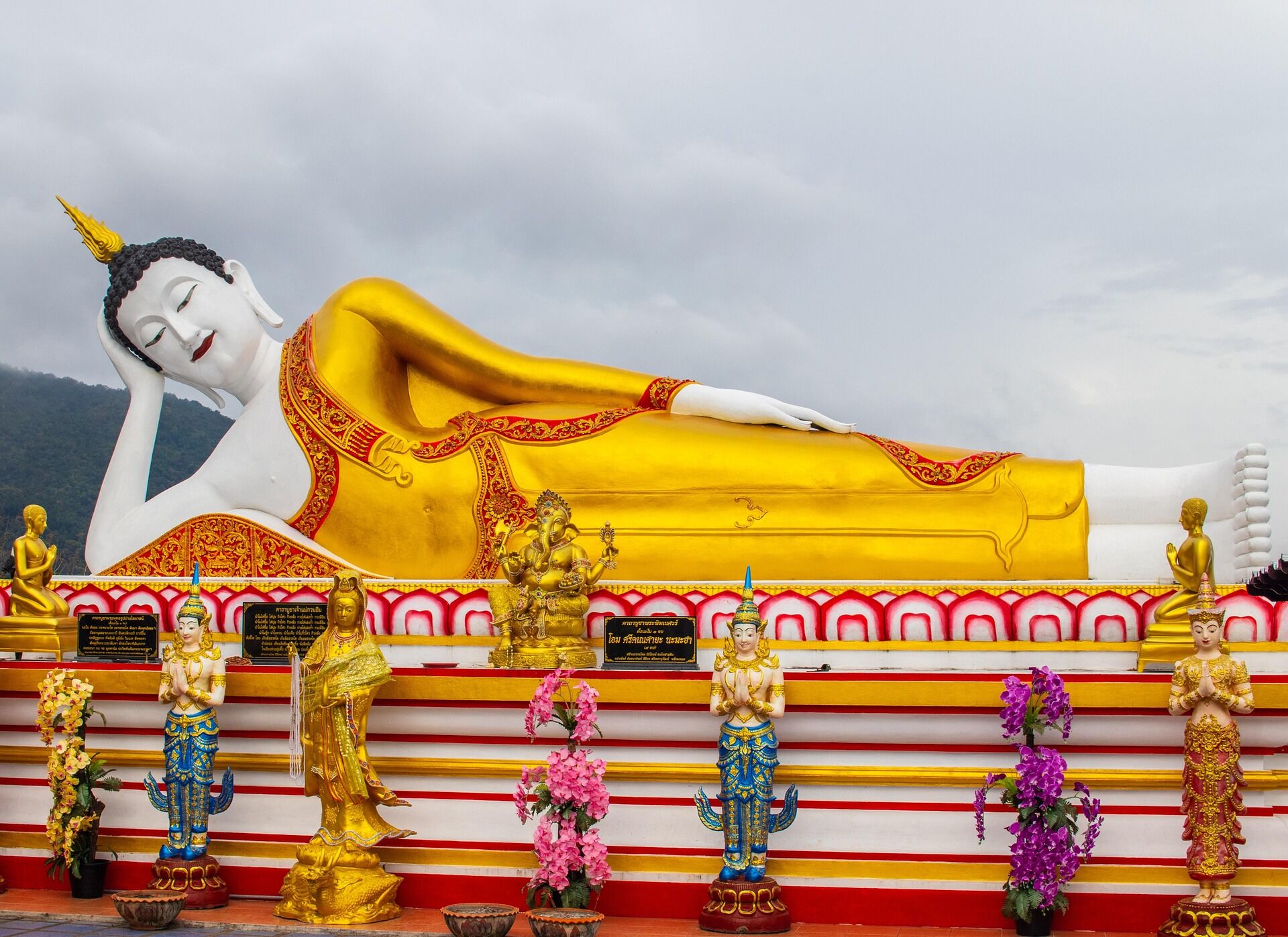 Chiang Mai Golden Buddha Statue, Thailand (Source: Internet)
Written by Tony Bùi, with over 20 years of experience in the travel industry, personally guiding and organizing tours for over 100,000 travellers across Southeast Asia. This guide draws from firsthand insights, guest feedback from Legend Travel Group surveys, and official sources like tourismthailand.org, thaiembassy.org, travel.state.gov, culturetrip.com, and thaizer.com. Information based on the latest data; verify before travel. Reflects Thailand’s updated travel regulations.
Thailand, the Land of Smiles, is a top destination for Japanese tourists, offering cultural landmarks like Bangkok’s Grand Palace, Chiang Mai’s ancient temples, and Phuket’s pristine beaches tourismthailand.org. Understanding visa requirements ensures a smooth entry for Japanese travelers, whether joining guided Thailand Tours or exploring independently. Japanese citizens benefit from a visa exemption for up to 30 days for tourism, extendable to 60 days, facilitating entry through Thailand’s 29 international airports, 39 land borders, and 19 seaports thaiembassy.org. This guide provides practical visa insights, border crossing tips, cultural etiquette, and eco-friendly Thailand Travel options tailored for Japanese travelers.
Following Thailand’s updated travel regulations, the country is accessible via major entry points like Suvarnabhumi Airport (Bangkok), Chiang Mai, and land borders such as Aranyaprathet (Cambodia). This guide blends visa requirements, cultural tips, and sustainable Thailand Travel ideas for a seamless and respectful journey.
Japanese tourists enjoy a visa exemption for up to 30 days (extendable to 60 days) for tourism via air or land entry. Passports must be valid for at least 6 months with two blank pages. Cultural site entries like the Grand Palace cost $15–$20 (500–700 THB); guided tours range from $15–$80 (500–2,800 THB). Local purchases at markets like Chatuchak range from $0.30–$20 (10–700 THB). Key sites are accessible by BTS Skytrain, tuk-tuk, or tour transport from major cities like Bangkok. Verify visa requirements and entry procedures via thaiembassy.org or tourismthailand.org.
Visa Exemption:
Purpose: Tourism, short-term visits, or leisure.
Eligibility: Japanese citizens with a valid passport thaiembassy.org.
Duration: Up to 30 days per entry via air or land; extendable to 60 days at immigration offices (e.g., Bangkok Immigration Office) for a fee of $55 (1,900 THB) thaiembassy.org.
Cost: No cost for initial 30-day entry; extension fee $55 (1,900 THB) thaiembassy.org.
Requirements: Passport valid for at least 6 months from entry date with two blank pages; proof of onward travel (e.g., return flight or bus ticket) required; proof of funds ($280 or 10,000 THB per person, $560 or 20,000 THB per family) may be requested tourismthailand.org.
Extension Process: Apply at a Thai Immigration Office (e.g., Bangkok, Chiang Mai) with passport, one photo (4x6 cm), completed TM.7 form, and $55 fee; processing takes 1–2 days thaiembassy.org.
Entry/Exit Points: Valid at 29 airports (e.g., Suvarnabhumi, Chiang Mai, Phuket), 39 land borders (e.g., Aranyaprathet, Padang Besar), and 19 seaports (e.g., Krabi, Pattaya) tourismthailand.org.
Note: Multiple entries allowed within 180 days, with each stay up to 30 days; “visa runs” to neighboring countries (e.g., Cambodia, Laos) are common but monitored to prevent abuse thaizer.com.
Tourist Visa (TR):
Purpose: Tourism for stays exceeding 30 days or requiring multiple entries.
Eligibility: Japanese citizens needing longer stays or not eligible for exemptions due to specific travel plans thaiembassy.org.
Duration: 60 days (single entry); extendable by 30 days for $55 (1,900 THB) thaiembassy.org.
Cost: $40 (1,400 THB) for single entry; $200 (7,000 THB) for multiple-entry (valid 6 months) thaiembassy.org.
Application Process:
Apply at a Thai embassy or consulate (e.g., Tokyo, Osaka, Fukuoka).
Submit passport (valid 6+ months), completed visa application form, two passport photos (4x6 cm, white background), proof of travel itinerary (e.g., flight or hotel bookings), proof of funds ($560 or 20,000 THB), and fee ($40 or $200) thaiembassy.org.
Processing takes 3–5 working days; expedited options may be available ($10–$20 or 350–700 THB extra) thaizer.com.
Present visa and passport at the border checkpoint; ensure details match exactly to avoid entry issues travel.state.gov.
Extension: Apply at a Thai Immigration Office for a 30-day extension ($55 or 1,900 THB) thaiembassy.org.
Entry/Exit Points: Valid at all 29 airports, 39 land borders, and 19 seaports tourismthailand.org.
Key Restrictions:
Travelers must not engage in work or activities prohibited under tourist status (e.g., employment); penalties include fines or deportation thaiembassy.org.
Overstay penalties: $15/day (500 THB/day), up to $600 (20,000 THB); potential detention or entry bans for extended overstays travel.state.gov.
Proof of onward travel and funds may be checked at borders, especially for frequent “visa runs” thaizer.com.
Airports (29): Major entry points include Suvarnabhumi (Bangkok), Don Mueang (Bangkok), Chiang Mai, and Phuket; immigration open 24/7 tourismthailand.org.
Land Borders (39): Popular checkpoints include Aranyaprathet (near Poipet, Cambodia), Padang Besar (Malaysia), and Nong Khai (near Vientiane, Laos). Open 6:00 AM–10:00 PM; expect queues during peak seasons thaizer.com.
Seaports (19): Key ports include Krabi, Pattaya, and Koh Samui; used for cruise travelers tourismthailand.org.
Requirements at Borders: Present a valid passport and proof of onward travel (e.g., return flight ticket); visa-exempt travelers may need to show proof of funds ($280 or 10,000 THB); ensure passport details match to avoid delays thaiembassy.org.
Cultural etiquette ensures a smooth border crossing and travel experience during Thailand Tours. Here’s your guide, based on current norms:
Greetings: Offer a “sawasdee” (hello) with a slight bow or wai (palms pressed together); use both hands for transactions at border checkpoints or markets culturetrip.com.
Dress: Wear modest clothing covering shoulders and knees, especially for temple visits like the Grand Palace or Wat Arun; carry a lightweight scarf ($3 or 100 THB) for covering up tourismthailand.org.
Behaviour: Maintain a calm demeanor at border checkpoints and cultural sites; avoid loud behavior or disputes; ask permission before photographing monks or locals; avoid public criticism of the Thai monarchy (lèse-majesté laws, penalties up to 7 years imprisonment). A Japanese guest shared: “Respecting Thai customs made our border crossing and temple visits seamless.” culturetrip.com
Customs: Tipping is not mandatory but appreciated ($0.30–$1 or 10–30 THB); avoid littering at cultural sites like Chiang Mai’s temples; respect temple rules (remove shoes, stay quiet) tourismthailand.org.
Tip: Say “khob khun” (thank you) to officers or guides; use eco-friendly practices like reusable water bottles ($3 or 100 THB) to support sustainable Thailand Travel; keep passport handy for immigration checks. Tony Bùi notes: “In 20 years guiding, I’ve seen Japanese travellers thrive in Thailand by respecting its culture.”
General Tips:
Language: Carry a phrase card ($1 or 30 THB) for Thai basics like “khob khun”; English is widely spoken at major borders and tourist areas culturetrip.com.
Respect: Follow border rules (no photography in immigration areas); respect local vendors with fair purchases in markets like Chatuchak.
Navigation: Use offline maps (Maps.me) for border areas like Aranyaprathet or cities like Bangkok; carry a passport photocopy travel.state.gov.
Eco-Tip: Opt for BTS Skytrain ($0.50–$2 or 15–70 THB), tuk-tuks ($1–$3 or 30–100 THB), or bicycles ($2–$5 or 70–175 THB/day) after crossing to reduce emissions tourismthailand.org.
Below is a curated list of tour options to enhance your visa-prepared journey after crossing into Thailand, based on the latest data from tourismthailand.org, thaiembassy.org, and thaizer.com. Confirm schedules and prices before booking.
Details: Explore Bangkok’s Grand Palace, Chiang Mai’s Wat Phra That Doi Suthep, or Phuket’s Big Buddha independently after crossing at Suvarnabhumi or Aranyaprathet; suitable for Japanese travelers with visa exemptions; low to moderate difficulty tourismthailand.org.
Visa Tips: Use 30-day visa exemption; carry passport and proof of onward travel (e.g., return flight ticket); extend to 60 days if needed at immigration offices thaiembassy.org.
Schedule: Daily; Grand Palace open 8:30 AM–3:30 PM ($15 or 500 THB); Wat Phra That Doi Suthep open 6:00 AM–6:00 PM ($1–$2 or 30–70 THB); Phuket’s Big Buddha open 6:00 AM–6:00 PM (free).
Cost: Entry: free (Big Buddha); Grand Palace: $15 (500 THB); Wat Phra That Doi Suthep: $1–$2 (30–70 THB); transport (BTS Skytrain: $0.50–$2 or 15–70 THB; tuk-tuk: $1–$3 or 30–100 THB); local purchases: $0.30–$20 (10–700 THB).
Location: Bangkok, Chiang Mai, Phuket, Thailand.
Eco-Friendly Note: Use bicycles or public transport to reduce emissions; avoid littering at cultural sites.
Tip: Confirm exemption eligibility; carry proof of onward travel; check thaiembassy.org; a Japanese guest noted: “Self-guided exploration was seamless after entering at Suvarnabhumi.”
Details: 1-day group tour visiting Bangkok’s Grand Palace and Wat Arun after crossing at Suvarnabhumi; includes English-speaking guide, transport from Bangkok hotels, lunch, and entry fees; low difficulty.
Visa Tips: Ensure valid 30-day exemption; carry passport photocopy; guides assist with cultural navigation thaiembassy.org.
Schedule: Daily; departs 7:30 AM from Bangkok hotels; returns by 4:00 PM.
Cost: $25–$40/person (900–1,400 THB, includes transport and entry).
Pick-up/Drop-off: Hotels in Bangkok.
Eco-Friendly Note: Group transport with fuel-efficient vehicles minimizes impact; supports local communities.
Tip: Book via legendtravelgroup.com; a Japanese guest noted: “Legend’s tour ensured visa compliance and cultural immersion.”
Details: 1-day guided tour visiting Chiang Mai’s Wat Phra That Doi Suthep and a local market after crossing at Chiang Mai Airport; includes English-speaking guide, transport from Chiang Mai, lunch, and entry fees; low to moderate difficulty.
Visa Tips: Use 30-day exemption; carry proof of onward travel; confirm eligibility thaiembassy.org.
Schedule: Daily; departs 7:00 AM from Chiang Mai hotels; returns by 4:00 PM.
Cost: $30–$50/person (1,050–1,750 THB, includes entry).
Pick-up/Drop-off: Hotels in Chiang Mai.
Eco-Friendly Note: Small groups and eco-friendly transport reduce environmental impact; supports local communities.
Tip: Book via localvietnam.com (Thailand partner sites); a Japanese guest noted: “The combo tour was visa-ready and enriching.”
Details: 2–3 day tour combining Bangkok, Chiang Mai, and Phuket after crossing at Suvarnabhumi or Aranyaprathet; includes English-speaking guide, transport, accommodation, meals, and entry fees; low to moderate difficulty.
Visa Tips: Use 30-day exemption or apply for a tourist visa for multi-city travel; carry passport photocopy; extend stay if needed thaiembassy.org.
Schedule: Daily; departs from Bangkok hotels; returns after 2–3 days.
Cost: $80–$200/person (2,800–7,000 THB, includes entries).
Pick-up/Drop-off: Hotels or custom locations in Bangkok.
Eco-Friendly Note: Uses eco-lodges and fuel-efficient transport; supports local communities.
Tip: Book Thailand Tours via legendtravelgroup.com or WhatsApp (+84 825862222); a Japanese guest noted: “The multi-day tour was a visa-smart cultural journey.”
Self-Guided Exploration: Flexible and cost-effective, ideal for Japanese travelers using visa exemptions.
Group Cultural Tours: Affordable and guided, perfect for visa-compliant cultural insights.
Combo Cultural and Adventure Tours: Blend cultural visits with eco-friendly activities for a comprehensive journey.
Multi-Day Cultural and Adventure Tours: Offer in-depth exploration with visa-smart itineraries.
Eco-Friendly Note: Group and multi-day tours use fuel-efficient transport or bicycles, supporting Thailand’s green tourism goals.
Key visa-prepared travel opportunities include:
Songkran (Thai New Year): Typically April, vibrant with water festivals and temple ceremonies; warm (25–35°C); check dates at tourismthailand.org.
Loy Krathong: Typically November, festive with floating lanterns; cool and dry (20–30°C); check dates at tourismthailand.org.
Cultural Site Visits: Cool season (November–February, 20–30°C) for optimal conditions; dry season (November–April) ideal for temple visits and festivals tourismthailand.org.
Cool season (November–February, 20–30°C) is ideal for comfortable weather and cultural visits. Hot season (March–May, 25–35°C) suits early morning outings. Wet season (June–October, 24–32°C) is best for budget travelers and indoor experiences; expect rain at land borders like Aranyaprathet. Morning visits (7:00 AM–11:00 AM) avoid crowds and heat. Verify forecasts via accuweather.com.
Verify Visa Needs: Japanese tourists can use 30-day visa exemptions (extendable to 60 days); apply for tourist visas at Thai embassies (e.g., Tokyo: +81 3-5785-2111) for longer stays; carry proof of onward travel thaiembassy.org.
Border Crossing Tips: Choose major entry points like Suvarnabhumi Airport or Aranyaprathet for smoother immigration; cross early (6:00 AM) to avoid queues; carry passport and proof of onward travel; expect random fund checks ($280 or 10,000 THB) tourismthailand.org.
Documentation: Ensure passport validity (6+ months); carry a passport photocopy; provide proof of onward travel (e.g., return flight ticket) travel.state.gov.
Eco-Tip: Use digital travel documents to reduce paper waste; opt for BTS Skytrain or tuk-tuks for sustainable travel after crossing.
Tip: Confirm exemption eligibility 7–14 days early; double-check passport details; carry small THB notes for local purchases; check entry requirements at thaiembassy.org.
Pack for a comfortable, sustainable visit:
Documents: Passport (valid 6+ months), passport photocopy, proof of onward travel (e.g., return flight or bus ticket), wallet ($2 or 70 THB), tour bookings.
Clothing: Modest clothing covering shoulders and knees for temple visits; lightweight scarf ($3 or 100 THB); quick-dry clothing and raincoat ($3 or 100 THB) for wet season; lightweight clothing like cotton or linen and light jacket ($3 or 100 THB) for cool season; comfortable walking shoes ($10 or 350 THB); hat ($2 or 70 THB).
Essentials: Reusable water bottle ($3 or 100 THB); snacks ($0.30–$1 or 10–30 THB, e.g., khao soi); small backpack ($3 or 100 THB); sunscreen ($2 or 70 THB); insect repellent ($2 or 70 THB).
Tech: Phone with translation apps (e.g., Google Translate); charger ($3–$5 or 100–175 THB); local SIM ($2–$3 or 70–100 THB); camera ($15 or 500 THB) for photos.
Eco Items: Reusable tote ($2 or 70 THB) for purchases; phrase card ($1 or 30 THB) with Thai basics.
Extras: Small THB notes for donations or purchases; small first aid kit ($3 or 100 THB); umbrella ($3 or 100 THB) for wet season; money belt ($2 or 70 THB) for valuables. Tip: Pack light (1 small bag, max 5 kg); reusable items support sustainability.
Visa and Travel Costs
Visa Exemption Costs: No cost for 30-day entry; extension: $55 (1,900 THB) thaiembassy.org.
Tourist Visa Costs: Single entry: $40 (1,400 THB); multiple entry: $200 (7,000 THB); expedited processing: $10–$20 (350–700 THB) thaiembassy.org.
Self-Guided Exploration: Entry: free (markets, Big Buddha); Grand Palace: $15 (500 THB); Wat Phra That Doi Suthep: $1–$2 (30–70 THB); transport (BTS Skytrain: $0.50–$2 or 15–70 THB; tuk-tuk: $1–$3 or 30–100 THB).
Group Cultural Tours: $25–$40 (900–1,400 THB, includes transport and entry).
Combo Cultural and Adventure Tours: $30–$50 (1,050–1,750 THB, includes entry).
Multi-Day Cultural and Adventure Tours: $80–$200 (2,800–7,000 THB, includes entries). Safety-Related Costs
Money Belt: $2 (70 THB).
Local SIM for Emergency Calls: $2–$3 (70–100 THB).
Travel Insurance (Recommended): $10–$30 (350–1,050 THB). Other Costs
Local Snacks (e.g., khao soi, mango sticky rice): $0.30–$1 (10–30 THB).
Souvenirs (e.g., silk, crafts): $0.30–$20 (10–700 THB).
Donations: $0.30–$1 (10–30 THB). Total Daily Cost (Per Person)
Budget: $15–$40 (self-guided, snacks, transport, entry).
Mid-range: $40–$70 (group tour, purchases).
Luxury: $70–$120 (private tour, premium souvenirs). Tip: Budget $15–$120 for tours, visa extensions (if applicable), and transport; $0.30–$20 for purchases or add-ons; use visa exemptions to save on costs.
Visa Tips: Japanese tourists should leverage 30-day visa exemptions; extend to 60 days at immigration offices if needed; apply for tourist visas at Thai embassies (e.g., Tokyo, Osaka) for longer stays; carry proof of onward travel thaiembassy.org.
Border Crossing Tips: Choose major entry points like Suvarnabhumi or Aranyaprathet for smoother immigration; cross early (6:00 AM) to avoid queues; carry passport and proof of onward travel; expect random fund checks ($280 or 10,000 THB) tourismthailand.org.
Etiquette: Use “sawasdee”; dress modestly for temples; respect border and local customs; avoid littering at cultural sites.
Access: Choose self-guided exploration for flexibility, group tours for visa-compliant insights, or multi-day tours for immersion.
Schedules: Borders open 6:00 AM–10:00 PM; cultural sites open 8:00 AM–5:00 PM; peak crowds in cool season (November–February); book early for festivals.
Sustainability: Use BTS Skytrain, tuk-tuks, or bicycles; carry reusable items; support local vendors with fair purchases.
Navigation: Use offline maps (Maps.me) for border areas or cities like Bangkok.
Weather: Cool season (Nov–Feb, 20–30°C) ideal; hot season (Mar–May, 25–35°C) suits early mornings; wet season (Jun–Oct, 24–32°C) requires rain gear; check forecasts via accuweather.com.
Safety Note: Secure valuables with a money belt ($2 or 70 THB); beware of pickpocketing in markets like Chatuchak; carry emergency numbers (Police: 191, Tourist Police: 1155).
Do Japanese tourists need a visa for Thailand? No, Japanese citizens are exempt for up to 30 days (extendable to 60 days) for tourism via air or land thaiembassy.org.
Which borders accept visa exemptions? All 29 airports, 39 land borders (e.g., Aranyaprathet, Padang Besar), and 19 seaports accept exemptions tourismthailand.org.
How much does a Thailand visa cost for Japanese tourists? Exemption: no cost; tourist visa: $40 (single entry) or $200 (multiple entry); extension: $55 thaiembassy.org.
Can visa exemptions be extended? Yes, extendable to 60 days for $55 (1,900 THB) at immigration offices thaiembassy.org.
What are the penalties for overstaying? Fines of $15/day (500 THB/day), up to $600 (20,000 THB); potential detention or entry bans travel.state.gov.
What documents are needed at the border? Valid passport (6+ months), proof of onward travel, and proof of funds ($280 or 10,000 THB) if requested tourismthailand.org.
Enhance your visa-prepared Thailand journey with eco-conscious tours from Legend Travel Group:
Thailand Cultural Eco-Tour ($25–$40/person, 1 day): Guided temple and market tour with sustainable practices.
Thailand Cultural and Adventure Trail ($80–$150/person, 2 days): Explore cultural sites and eco-friendly activities.
Thailand Explorer ($150–$250/person, 3 days): Multi-site adventure with eco-lodges and community-focused activities. Prices include guides, transport, and entry fees; group discounts available. Explore options at legendtravelgroup.com or contact sales@legendtravelgroup.com / WhatsApp (+84825862222) for your Thailand Travel plans.
Mastering Thailand Visa for Japanese Tourists with cultural etiquette—modest attire, polite greetings like “sawasdee,” and visa-smart planning—unlocks a vibrant, eco-friendly journey through Thailand’s cultural treasures. With tour costs from $15–$200, sustainable Thailand Tours, and attractions like the Grand Palace and Chiang Mai’s temples, this trip offers adventure and sustainability for Japanese travelers. Whether choosing a self-guided or guided experience with Thailand Travel, leverage visa exemptions and respect local customs for the best experience. Verify entry requirements via thaiembassy.org. Safe travels!
Sources:
tourismthailand.org
thaiembassy.org
travel.state.gov
culturetrip.com
thaizer.com