Dive into the rich history of Bangkok, Thailand with our travel guide! Learn about its royal past, cultural etiquette, visiting tips, eco-friendly Bangkok Tours, and top providers for a sustainable adventure with Bangkok Travel. Plan your journey today!
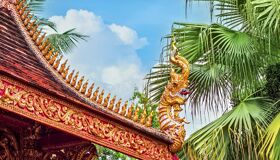
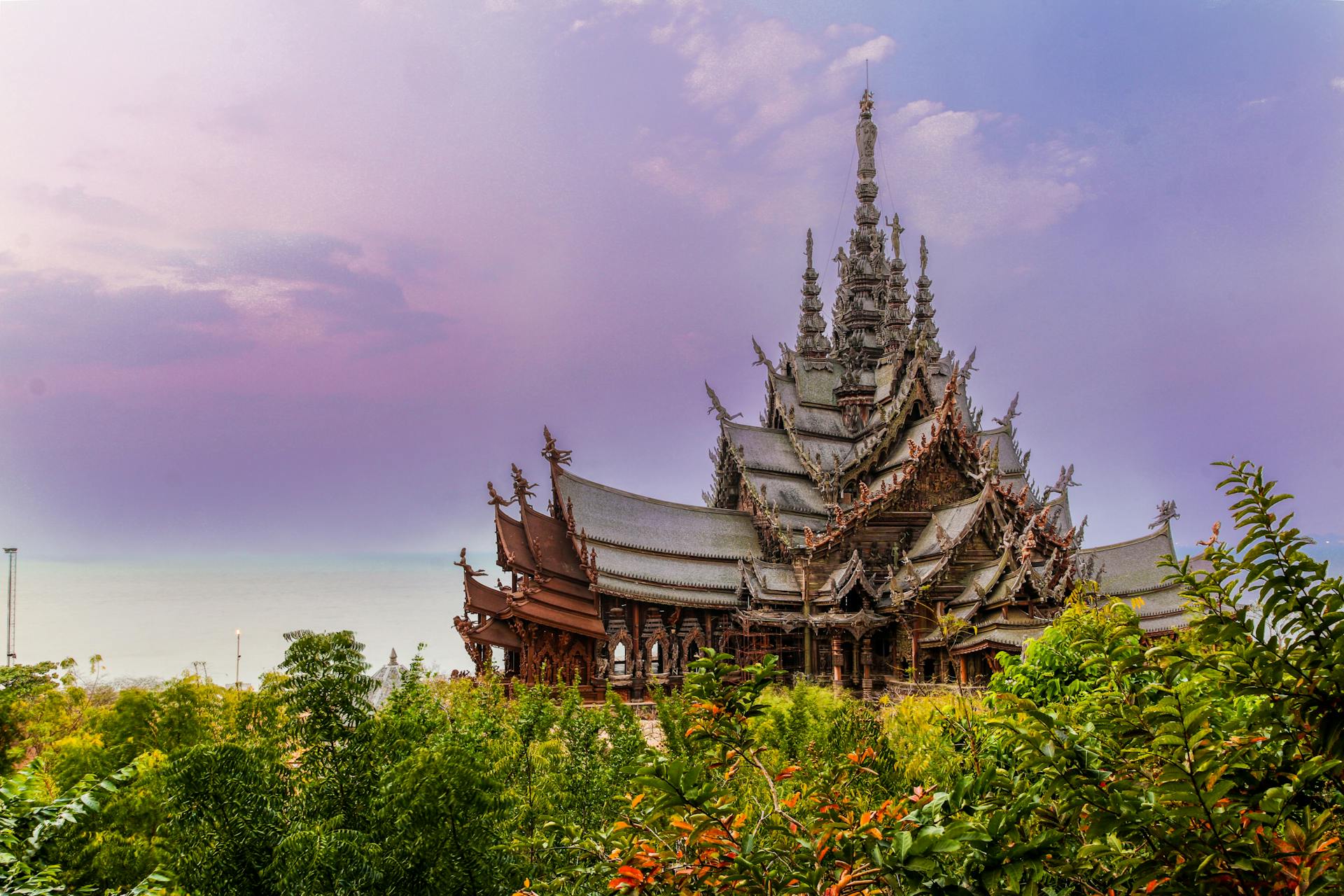 Capture the majestic beauty of Bangkok’s historical landmarks (Source: Internet)
Author Bio: Written by Tony Bùi, with over 20 years of experience in the travel industry, personally guiding and organizing tours for over 100,000 travellers across Southeast Asia. This guide draws from firsthand insights, guest feedback from Legend Travel Group surveys, and official sources like tourismthailand.org, en.wikipedia.org, britannica.com, thesiamsociety.org, and culturetrip.com. Information based on latest data as of August 18, 2025; verify before travel. Reflects Thailand’s updated travel regulations.
Bangkok, Thailand’s bustling capital, is a historical treasure trove blending royal heritage, ancient temples, and vibrant urban life along the Chao Phraya River. Founded in 1782 as the capital of Siam by King Rama I, Bangkok is home to iconic sites like the Grand Palace (central Bangkok), Wat Arun (riverside), and the National Museum (1 km from city center). Exploring Bangkok’s history with guided Bangkok Tours immerses you in its Rattanakosin era, from its establishment as the seat of the Chakri Dynasty to its evolution into a global metropolis en.wikipedia.org. A dynamic blend of tradition and modernity, Bangkok, facilitated by trusted Bangkok Travel providers, is ideal for history enthusiasts, culture lovers, and eco-conscious travelers. Mastering Exploring Bangkok History cultural etiquette ensures a respectful journey, enhancing this historical adventure.
Following Thailand’s updated travel regulations in 2025, Bangkok is accessible via Suvarnabhumi and Don Mueang International Airports, making historical exploration seamless. This guide blends historical insights, practical visiting tips, and sustainable Bangkok Travel ideas for a memorable experience.
Exploring Bangkok’s historical sites requires a Thailand visa for some nationalities (visa-free for 30–60 days for most; visa on arrival $50–$60). Entry to key sites like the Grand Palace or National Museum costs $1–$15 (30–500 THB), with donations ($0.30–$1 or 10–30 THB) appreciated. Guided tours cost $15–$60 (500–2,000 THB), and nearby market purchases range from $0.50–$20 (15–600 THB). Sites are accessible by BTS Skytrain, MRT, tuk-tuk, or tour transport from central Bangkok. Verify schedules and visa requirements via tourismthailand.org.
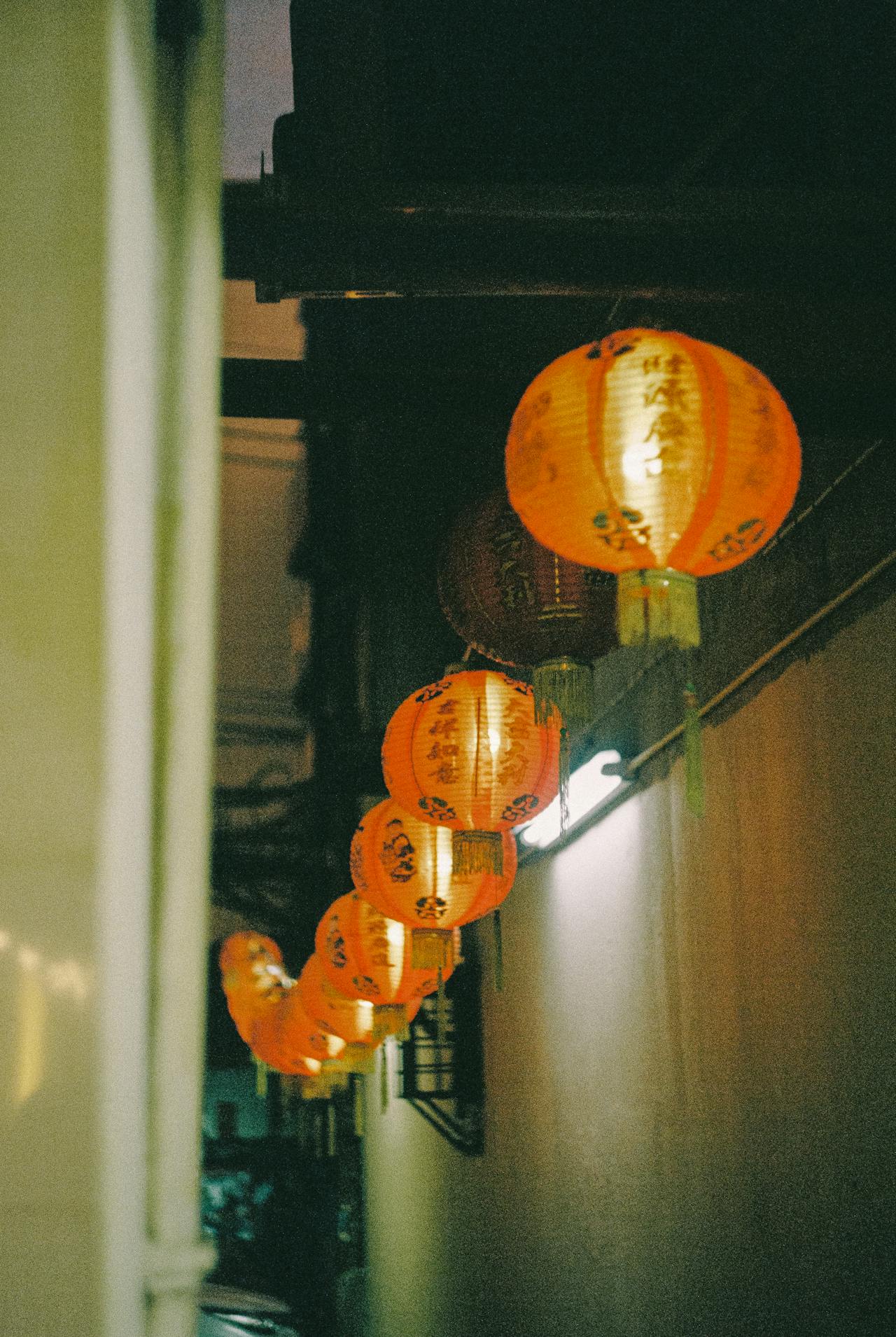 Lanterns light in Bangkok Thailand (Source: Internet)
Founding of Bangkok (1782): King Rama I established Bangkok as the capital of Siam, moving from Thonburi to the Rattanakosin Island, building the Grand Palace and Wat Phra Kaew to house the Emerald Buddha en.wikipedia.org, britannica.com.
Rattanakosin Era (1782–1932): Bangkok grew as the political and cultural center of Siam under the Chakri Dynasty, with landmarks like Wat Arun and Dusit Palace reflecting royal influence thesiamsociety.org.
Modernization (19th–20th centuries): Under Kings Rama IV and V, Bangkok embraced Western influences, with infrastructure like roads and railways, while preserving Thai traditions en.wikipedia.org.
Constitutional Monarchy (1932–present): The 1932 revolution ended absolute monarchy, but Bangkok remained the royal and administrative hub, with the Grand Palace as a symbol of continuity britannica.com.
Modern Era: Bangkok evolved into a global city, with historical sites like the National Museum preserving its past alongside modern skyscrapers and markets thesiamsociety.org.
Grand Palace: Built in 1782, the royal residence and home to the Emerald Buddha, a cornerstone of Thai history (entry: $15 or 500 THB) en.wikipedia.org.
Wat Arun (Temple of Dawn): A 17th-century riverside temple known for its stunning architecture and Ayutthaya-era origins (entry: $1.50 or 50 THB) tourismthailand.org.
National Museum Bangkok: Houses artifacts from prehistory to the Rattanakosin era, showcasing Thai history (entry: $6 or 200 THB) thesiamsociety.org.
Wat Pho: A 16th-century temple with the Reclining Buddha, significant for its role in Thai education and medicine (entry: $6 or 200 THB) en.wikipedia.org.
Cultural etiquette ensures a respectful experience at historical sites during Bangkok Tours. Here’s your guide, based on current norms as of August 18, 2025:
Greetings: Offer a “sawasdee” (hello) with a slight bow or wai (palms pressed together); use both hands when paying entry fees or offering donations to show respect.
Dress: Wear modest clothing covering shoulders and knees for temples like the Grand Palace; a lightweight scarf ($3 or 100 THB) aligns with Thai norms and is essential for sacred sites culturetrip.com.
Behaviour: Maintain a quiet demeanor in temples and museums; avoid touching Buddha statues or artifacts; ask permission before photographing monks or sacred spaces; respect historical sites like Wat Pho. A guest shared: “Respecting temple etiquette made our historical exploration profound.”
Customs: Entry fees are $1–$15 (30–500 THB); donations ($0.30–$1 or 10–30 THB) are appreciated; avoid littering to preserve cultural sites; tipping guides ($0.30–$1 or 10–30 THB) is appreciated but not mandatory. Avoid public criticism of the monarchy to prevent legal issues (lèse-majesté laws, up to 15 years imprisonment).
Tip: Say “khob khun” (thank you) to locals or guides; use eco-friendly practices like carrying reusable water bottles ($4 or 120 THB) to support sustainable Bangkok Travel; avoid loud behavior in sacred spaces. Tony Bùi notes: “In 20 years guiding, I’ve seen respectful travellers thrive in Bangkok’s historical sites.”
General Tips:
Language: Carry a phrase card ($2 or 60 THB) for Thai basics like “khob khun”; English is common in tourist areas but limited among locals culturetrip.com.
Respect: Follow temple and museum rules (remove shoes, cover shoulders); avoid climbing historical structures; support local vendors at nearby markets like Chatuchak Weekend Market.
Navigation: Key sites like the Grand Palace and National Museum are in central Bangkok; use offline maps (Maps.me) with “Bangkok” or “Grand Palace” for navigation.
Eco-Tip: Use BTS Skytrain, MRT, or bicycles ($2–$5/day or 60–150 THB) to reduce emissions, aligning with Thailand’s green tourism goals.
Note: Etiquette reflects current norms; verify site hours via tourismthailand.org.
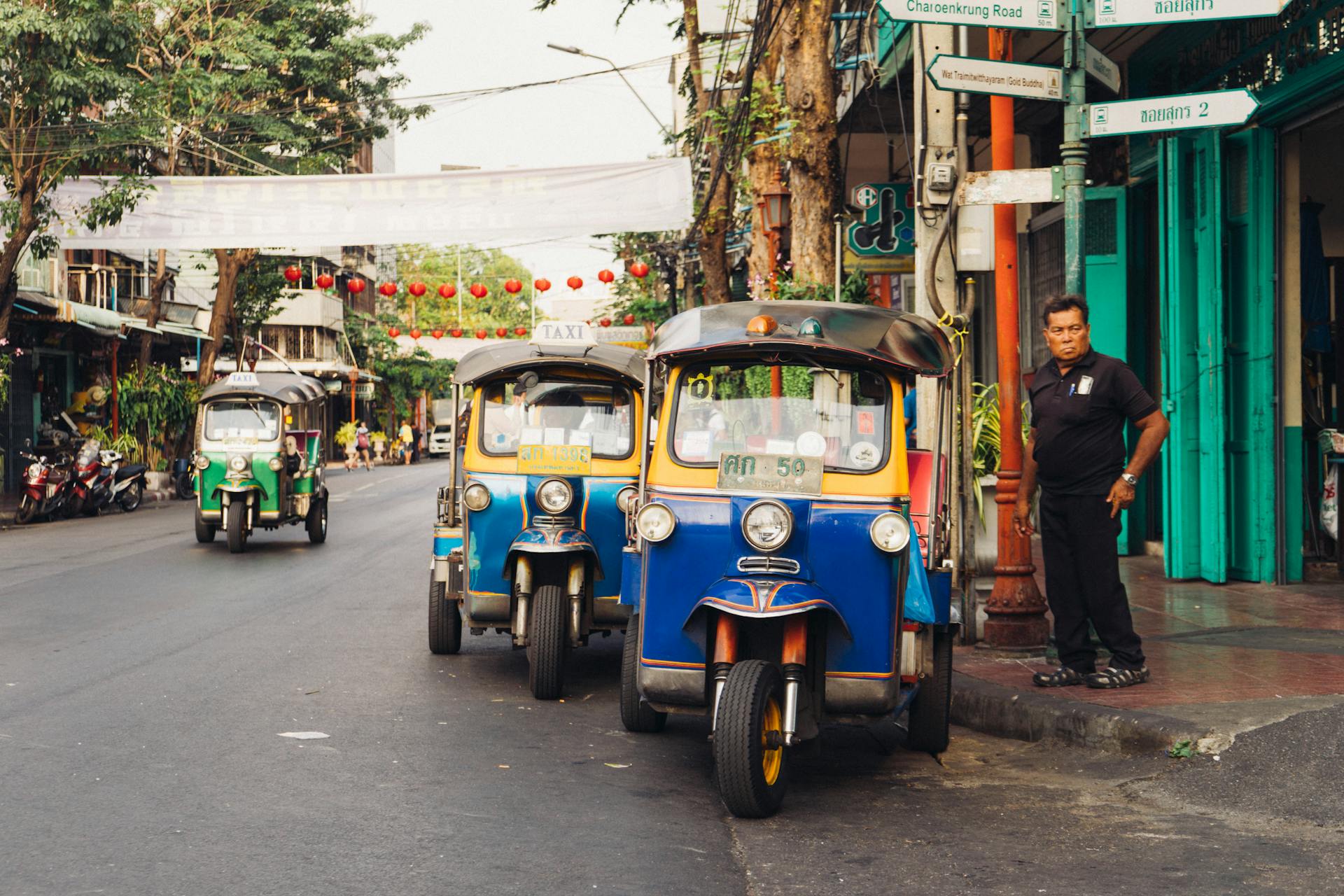 Bangkok Tuk Tuk and the Local people (Source: Internet)
Below is a curated list of tour options for exploring Bangkok’s history, based on latest data from tourismthailand.org, tripadvisor.com, and culturetrip.com. Confirm schedules and prices before booking.
Details: Visit the Grand Palace, Wat Arun, and National Museum Bangkok independently; suitable for history enthusiasts; low difficulty.
Schedule: Daily; temples open 8:00 AM–3:30 PM (Grand Palace) or 8:00 AM–6:00 PM (Wat Arun); National Museum open 9:00 AM–4:00 PM (closed Mondays/Tuesdays); vibrant during Loy Krathong (November) or Songkran (April).
Cost: Temple/museum entry: $1–$15 (30–500 THB); transport (BTS/MRT: $0.50–$2 or 15–60 THB; tuk-tuk: $1–$3 or 30–100 THB); market purchases: $0.50–$20 (15–600 THB).
Location: Central Bangkok, Bangkok Province.
Eco-Friendly Note: Use BTS/MRT or bicycles to reduce emissions; avoid littering in cultural areas.
Tip: Check schedules at tourismthailand.org; visit early (8:00 AM) for serenity; a guest noted: “Self-guided historical visits were immersive and authentic.”
Details: 1-day group tour visiting the Grand Palace, Wat Pho, and National Museum Bangkok; includes English-speaking guide, transport, lunch, and entry ($1–$15); low difficulty.
Schedule: Daily; departs 8:00 AM from Bangkok hotels; returns by 4:00 PM.
Cost: $15–$25/person (500–800 THB, includes entry).
Pick-up/Drop-off: Hotels in central Bangkok.
Eco-Friendly Note: Group transport with fuel-efficient vans minimizes impact; supports local vendors.
Tip: Book via legendtravelgroup.com; a guest noted: “Legend’s tour brought Bangkok’s history to life.”
Details: 1-day guided tour visiting the Grand Palace, Wat Arun, and a Chao Phraya River cruise; includes English-speaking guide, transport, lunch, and entries ($1–$15); low to moderate difficulty.
Schedule: Daily; departs 7:30 AM from Bangkok hotels; returns by 5:00 PM.
Cost: $20–$35/person (600–1,200 THB, includes entries).
Pick-up/Drop-off: Hotels or designated points in Bangkok.
Eco-Friendly Note: Small groups reduce environmental impact; supports local communities.
Tip: Book via localvietnam.com (Thailand partner sites); a guest noted: “The combo tour blended history and scenic views seamlessly.”
Details: 2–3 day tour combining the Grand Palace, Wat Pho, National Museum, and Ayutthaya (80 km away); includes English-speaking guide, transport, accommodation, meals, and entries; low to moderate difficulty.
Schedule: Daily; departs from Bangkok hotels; returns after 2–3 days.
Cost: $100–$250/person (3,000–8,000 THB, includes entries).
Pick-up/Drop-off: Hotels or custom locations in Bangkok.
Eco-Friendly Note: Uses eco-lodges and fuel-efficient transport; supports local communities.
Tip: Book Bangkok Tours via legendtravelgroup.com or WhatsApp (+84 825862222); a guest noted: “The multi-day tour was a deep dive into Bangkok’s history.”
Self-Guided Exploration: Flexible and authentic, ideal for independent travellers with navigation skills.
Group Historical Tours: Affordable and guided, perfect for cultural and historical insights.
Combo Historical and River Cruise Tours: Blend temple visits with scenic river experiences for a comprehensive journey.
Multi-Day Cultural Tours: Offer in-depth exploration of Bangkok’s heritage, perfect for history enthusiasts.
Eco-Friendly Note: Group and multi-day tours use fuel-efficient transport, supporting Thailand’s green tourism goals.
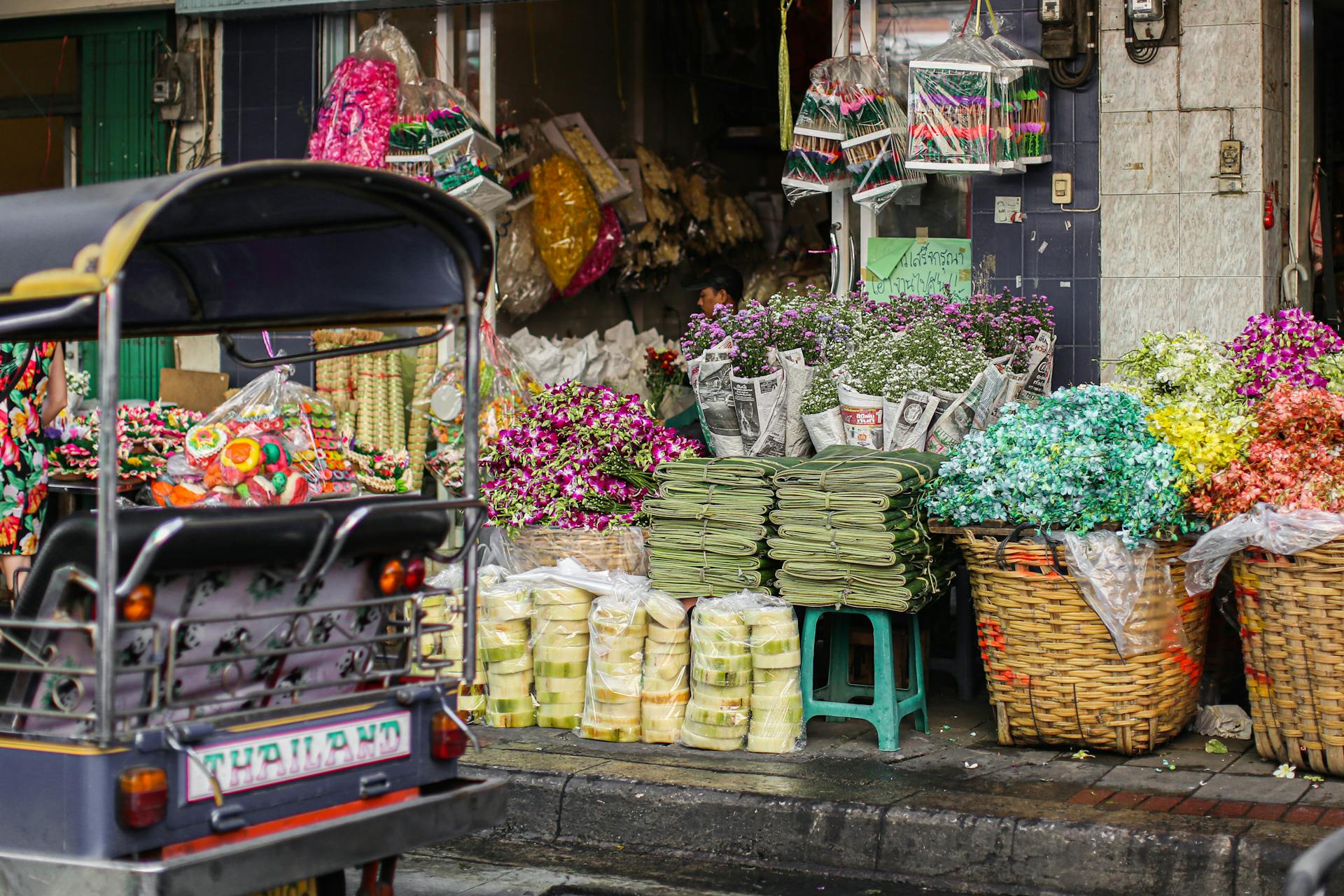 Local Market in Bangkok (Source: Internet)
Key historical exploration opportunities include:
Loy Krathong: Typically November, vibrant with floating lanterns; cool and dry (24–32°C); check dates at tourismthailand.org.
Songkran: Typically April, festive with water blessings; warm (28–35°C) with occasional showers; check dates at tourismthailand.org.
Year-Round Opportunities: Cool season (November–February, 24–32°C) is best for temple visits; wet season (June–October) suits indoor sites like the National Museum.
Cool season (November–February, 24–32°C) is ideal for mild weather and outdoor historical sites. Hot season (March–May, 28–35°C) requires early visits due to heat. Wet season (June–October, 26–32°C) brings rain (0.1–17 mm/day); focus on indoor museums or covered sites. Morning visits (8:00 AM–11:00 AM) are best to avoid heat or crowds. Verify weather via accuweather.com.
Online Platforms: Book Bangkok Tours via tourismthailand.org, legendtravelgroup.com, or localvietnam.com (Thailand partner sites) ($15–$60). Provide pick-up details (e.g., Bangkok hotels); e-tickets are acceptable, but printing is recommended.
Tour Operators: Contact agencies like Legend Travel Group for bundled tours with historical sites, river cruises, or Ayutthaya.
Direct: Purchase entry tickets ($1–$15) at sites like the Grand Palace or National Museum; book guided tours via local agencies (e.g., +66 2 624 9999); confirm schedules via tourismthailand.org.
Eco-Tip: Use digital tickets to reduce paper waste; opt for BTS Skytrain, MRT, or bicycles ($2–$5/day or 60–150 THB) to minimize emissions.
Tip: Book early for festivals (November, April); visit early (8:00 AM); carry small THB notes for entries or donations; confirm visa requirements ($0–$60).
Pack for a comfortable, sustainable visit:
Documents: Passport (valid 6+ months), Thailand visa if required ($0–$60 or 0–2,000 THB), wallet ($5–$8 or 150–250 THB), tour bookings.
Clothing: Modest clothing covering shoulders and knees; lightweight scarf ($3 or 100 THB) for temple visits; quick-dry clothing and raincoat ($5 or 150 THB) for wet season; comfortable walking shoes ($15 or 500 THB); hat ($5 or 150 THB) for sun protection.
Essentials: Reusable water bottle ($4 or 120 THB); snacks ($0.50–$2 or 15–60 THB, e.g., mango sticky rice); small backpack ($5 or 150 THB); sunscreen ($3 or 100 THB); insect repellent ($3 or 100 THB).
Tech: Phone with translation apps (e.g., Google Translate); charger ($10–$15 or 300–500 THB); local SIM ($5–$7 or 150–200 THB); camera ($50 or 1,500 THB) for photos (with permission).
Eco Items: Reusable tote ($3 or 100 THB) for market purchases; phrase card ($2 or 60 THB) with Thai basics.
Extras: Small THB notes for entries or donations; small first aid kit ($5 or 150 THB); umbrella ($5 or 150 THB) for wet season; money belt ($5 or 150 THB) for valuables. Tip: Pack light (1 small bag, max 5 kg); reusable items support sustainability.
Historical Site Visit Costs
Self-Guided Exploration: Temple/museum entry: $1–$15 (30–500 THB); transport (BTS/MRT: $0.50–$2 or 15–60 THB; tuk-tuk: $1–$3 or 30–100 THB).
Group Historical Tours: $15–$25 (500–800 THB, includes entries).
Combo Historical and River Cruise Tours: $20–$35 (600–1,200 THB, includes entries).
Multi-Day Cultural Tours: $100–$250 (3,000–8,000 THB, includes entries).
Transport Costs (for Self-Guided Visits)
BTS Skytrain/MRT: $0.50–$2 (15–60 THB).
Tuk-Tuk: $1–$3 (30–100 THB).
Taxi to Ayutthaya: $30–$50 (1,000–1,500 THB).
Other Costs
Temple Donations: $0.30–$1 (10–30 THB).
Market Snacks (e.g., som tam, mango sticky rice): $0.50–$2 (15–60 THB).
Souvenirs (e.g., silk, wood carvings): $1–$20 (30–600 THB).
Total Daily Cost (Per Person)
Budget: $5–$20 (self-guided, entries, snacks, transport).
Mid-range: $15–$35 (group tour, purchases).
Luxury: $35–$60 (private tour, premium souvenirs). Tip: Budget $5–$60 for tours, entries, or transport, and $0.50–$20 for purchases or add-ons.
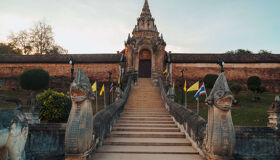
 Bangkok Iconic Statue (Source: Internet)
Historical Tips: Visit the Grand Palace and Wat Pho early (8:00 AM) for serenity; take photos with permission in non-sacred areas; combine with Ayutthaya for broader historical context; explore Chatuchak Weekend Market for local crafts.
Etiquette: Use “sawasdee” greeting; dress modestly; stay quiet in temples; avoid touching artifacts; respect monks during visits.
Access: Choose self-guided visits for flexibility, group tours for guided insights, or multi-day tours for deeper exploration.
Schedules: Temples open 8:00 AM–3:30 PM (Grand Palace) or 8:00 AM–6:00 PM (Wat Arun); National Museum open 9:00 AM–4:00 PM (closed Mondays/Tuesdays); peak crowds in cool season (November–February); book tours early for festivals (November, April).
Sustainability: Use BTS/MRT or bicycles; carry reusable items; support local vendors with fair purchases.
Navigation: Use offline maps (Maps.me) with “Bangkok” or “Grand Palace” for navigation.
Weather: Cool season (Nov–Feb, 24–32°C) is ideal; wet season (Jun–Oct, 26–32°C) suits indoor museums; check forecasts via accuweather.com.
Safety Note: Secure valuables with a money belt ($5 or 150 THB); beware of pickpocketing in Chatuchak Market; carry emergency numbers (Police: 191, Tourist Police: 1155).
What is the history of Bangkok? Founded in 1782 by King Rama I as the capital of Siam, Bangkok became the seat of the Chakri Dynasty, evolving from the Rattanakosin era to a modern metropolis en.wikipedia.org.
What are key historical sites in Bangkok? Grand Palace, Wat Arun, Wat Pho, and National Museum Bangkok britannica.com.
How much are entry fees for historical sites? $1–$15 (30–500 THB); donations ($0.30–$1) appreciated.
How do I book historical tours? Book via tourismthailand.org, legendtravelgroup.com, or local agencies; confirm schedules.
How do I reach historical sites? Use BTS/MRT, tuk-tuks, or ferries from central Bangkok; tours include transport.
Are eco-friendly tours available? Yes, group tours with fuel-efficient transport or bike tours; check tourismthailand.org.
Enhance your Bangkok historical journey with eco-conscious tours from Legend Travel Group:
Bangkok Historical Eco-Tour ($40–$80/person, 1 day): Guided temple and museum visit with sustainable practices.
Bangkok Heritage Trail ($100–$150/person, 2 days): Combine historical sites with low-emission transport.
Thailand Explorer ($200–$300/person, 3 days): Multi-site adventure with eco-lodges and community-focused activities.
Prices include guides, transport, and fees; group discounts available. Explore options at legendtravelgroup.com or contact sales@legendtravelgroup.com / WhatsApp (+84825862222) for your Bangkok Travel plans.
Exploring Bangkok History with cultural etiquette—modest attire, polite greetings like “sawasdee,” and respectful behavior—unlocks a profound, cultural journey through Thailand’s capital. With tour costs from $15–$60, eco-friendly Bangkok Tours, and sites like the Grand Palace and Wat Arun, this trip offers immersion and sustainability. Whether choosing a self-guided or guided experience with Bangkok Travel, visit early and respect local customs for the best experience. For more guides, check trusted resources like tourismthailand.org. Safe travels!
Sources:
Historical Information: en.wikipedia.org, britannica.com, thesiamsociety.org
Cultural Norms: culturetrip.com
Travel Details: tourismthailand.org, tripadvisor.com